
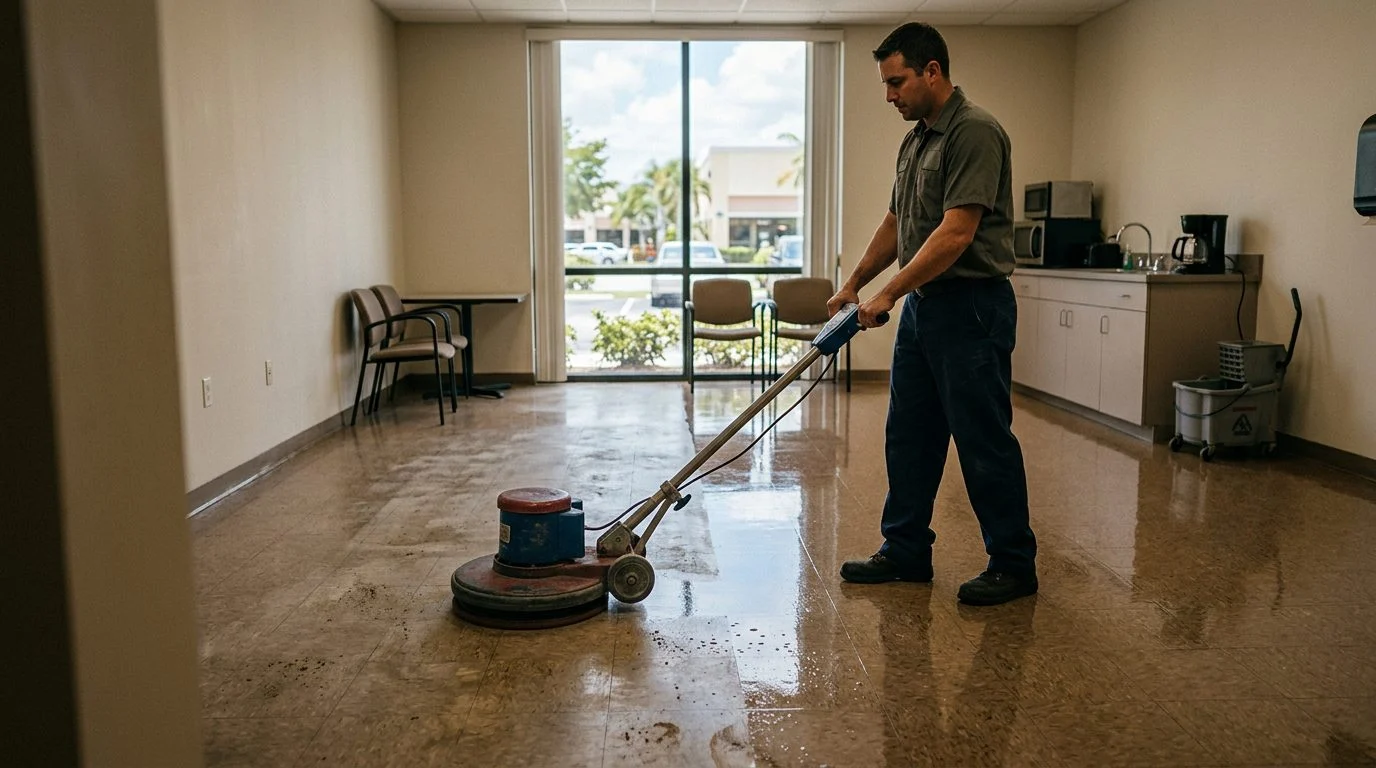
Floor Care Maintenance | South Florida
Inherited a Floor With Old Damage? Start With an Honest Assessment
A change of vendor can bring fresh eyes to a floor that has been neglected or mistreated, but what comes next depends on what is actually under the surface.
By Ryan Jurney · Published November 25, 2026
You’ve taken over a commercial building, and the floors show stripping marks, haze, or peeling finish from the vendor who came before. Can a new floor care vendor fix that damage? Often, yes. How much can be corrected depends on the damage and the floor material.
Short answer: a new vendor can often correct prior floor damage, but the fix depends on the damage
A new floor care vendor can often improve damage a previous company caused. Whether it can bring the floor back to its earlier look depends on what went wrong and what the floor is made of.
“Fixing” can mean several different jobs. A spot repair targets a few worn or failed areas. A recoat puts new finish over a layer that is still sound. A full strip and refinish removes failed finish and rebuilds it. Deeper surface work, such as grinding or polishing, can reduce scratches and etching. It may not remove every mark, and each pass takes a little material off the floor.
Lobbies, hallways, and restrooms wear differently. Damage in each area may call for a different fix, so many buildings end up with more than one repair path.
Nobody can say in advance that the original look will return. Etched stone or a thinned wear layer may improve without matching the floor’s old appearance. That’s why a good plan starts with an assessment, not a promise. For background on routine care in the area, see floor care maintenance in Miami-Dade.
If your floors show stripping marks or haze from an earlier vendor, reach out and we'll walk through which repairs are realistic for those areas. Talk it through with our team — the first consultation is free, confidential, and carries no obligation.
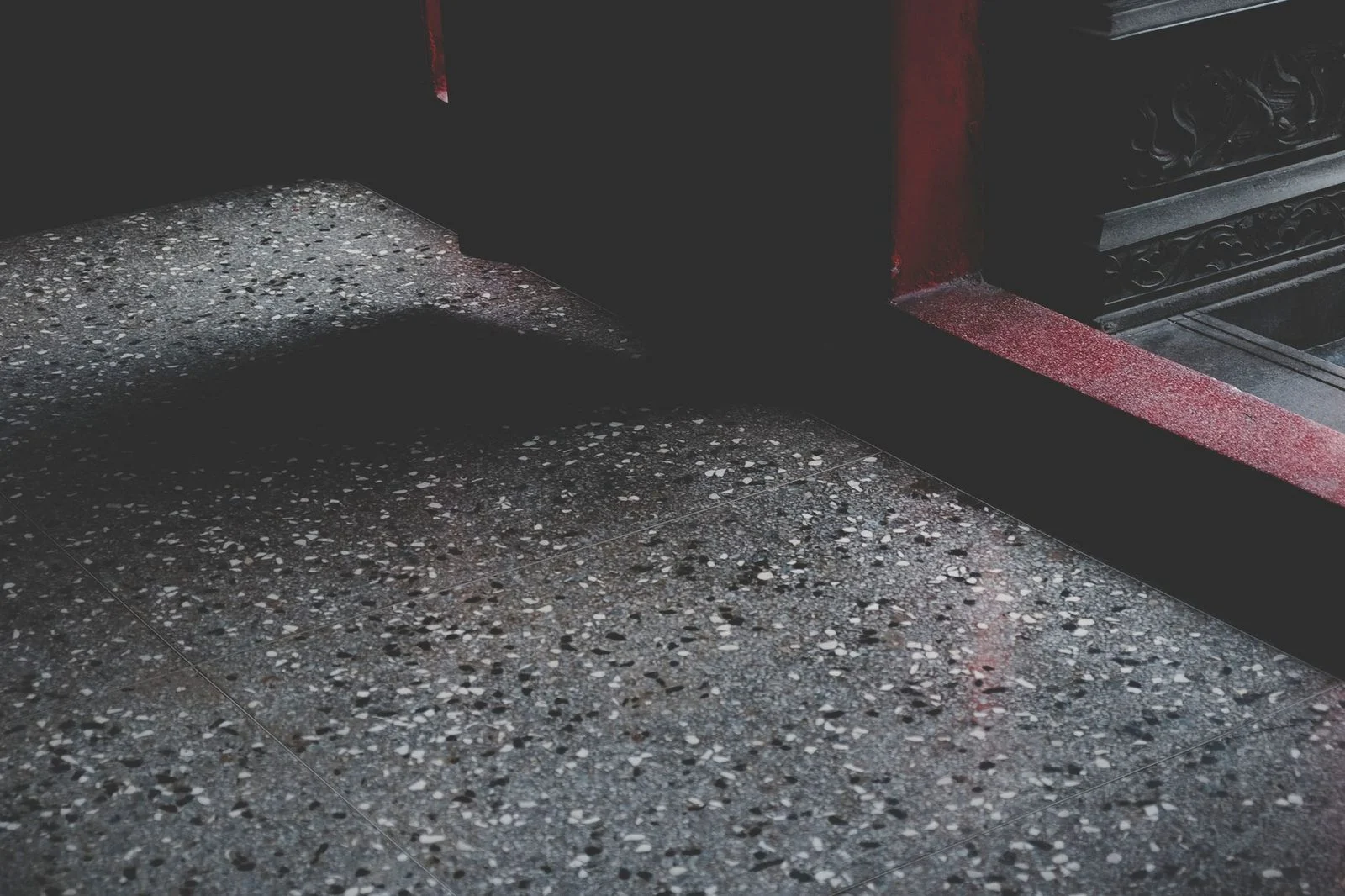
How earlier floor damage usually happens in commercial buildings
Most prior damage comes from four habits: over-stripping, the wrong chemical, sloppy finish work, and rough mechanical work.
Over-stripping is the most common story. Each strip removes some finish, and repeated stripping can thin the protective layer on some floors. The result is a patchy look that wears faster than it should.
Wrong chemicals cause a different kind of harm. A strong alkaline or acidic product on a floor not rated for it can discolor, haze, or soften the surface. Terrazzo is a good example. The National Terrazzo & Mosaic Association care guide recommends neutral-pH cleaning products for routine care and lists products to avoid.
Finish application problems show up as streaks, peeling, or yellowing. Too many coats, thick coats, or poor drying conditions are common causes. Humidity slows drying, so a finish applied on a muggy South Florida day may not cure cleanly.
Aggressive mechanical work is the last habit. Heavy grinding or the wrong pad can scratch, dull, or wear away material from the floor. That loss is hard to reverse.
Wood floors need one more check. Moisture that sits on wood can lead to mold and related damage. Keeping wood floors dry and limiting standing water are common steps for protecting them. A damaged wood floor may need a moisture check, not only new finish.
Heavy foot traffic in office lobbies, retail corridors, and entry areas can make finish failures show up sooner.
How a new floor care vendor assesses the damage before proposing a fix
A careful vendor identifies the floor type and finish first. Then it tests a small area before proposing a repair.
The floor material sets the approach. VCT, sealed concrete, terrazzo, and wood each respond differently to cleaning, stripping, and new coats. A method that works on sealed concrete can harm terrazzo or wood.
Next, the vendor separates finish problems from surface problems. A hazy or peeling layer sits on top of the floor. Etching, scratches, and discoloration in the material itself are different. Fixing one doesn’t always fix the other.
Testing comes before any full process. An inconspicuous spot, like a closet or the edge of a room, shows how the floor responds to a product or pad. A test patch can keep a building from a second bad strip.
The vendor also looks for residue or chemical buildup. Leftover product can stop new finish from bonding. If that residue stays, a new coat may peel even when the work looks right.
The assessment decides which repair path is realistic. That result is the honest starting point for any proposal.
Repair options a new vendor may consider
The common repair paths are spot repair, recoating, stripping and refinishing, and deeper surface work.
Spot repair targets localized scratches, worn areas, or failed sections. It’s the least disruptive option when the damage is limited.
Recoating adds new finish over a sound existing layer. It only works when the layer underneath is intact.
Stripping and refinishing removes failed finish and applies new coats. It fits widespread streaking or heavy buildup, but it takes more time with the floor out of use.
Deeper surface work, such as grinding or polishing, can reduce the depth of etching or scratches. It may not remove all of the damage, and it removes a little material each time.
Each option affects downtime, appearance, and the floor’s remaining service life differently. A faster job may leave some marks visible. A deeper job costs the floor more material. Weigh those tradeoffs against what the space needs.
Safety belongs in the decision too. The OSHA slip handout says wet or spilled floors and smooth or newly waxed surfaces increase slip risks. Spills should be cleaned up or reported right away. Keeping floors clean and dry is a routine part of our floor care maintenance services. A freshly refinished floor can be slick, so ask how the work will be managed while the finish cures.
What to gather before you request a repair assessment
Gather photos, prior vendor records, and your maintenance schedule before the first visit.
Take photos of each damaged area in good light. Include close-ups that show the marks and wider shots that show where they sit in the room. Date the photos if your phone allows it.
Pull together the previous vendor’s records. That includes service dates, products used, invoices, and written work descriptions. If a product name appears, bring its label or Safety Data Sheet too.
Note your current cleaning schedule and the foot traffic in each area. A busy lobby in Brickell or Coral Gables often wears differently than a back hallway or a South Beach retail stockroom. Those patterns affect how durable a repair will be.
List any warranty or service terms that were discussed. Add any complaints or notes the building has already logged. Those notes show what was agreed and what the building has already noticed.
Finally, write down your goal. It could be a particular look, a timeline, or a budget range. A clear goal lets the assessment focus on realistic options.
Preventing a repeat: what to look for in the next floor care scope
Contact our team to discuss the scope for your floor type, the products, and the steps for each area.
Ask the vendor to describe how it identifies floor type and finish before any chemical or mechanical step. If the answer is vague, that’s worth noting.
A useful scope lists specific products or process steps for each floor area. It shouldn’t stop at a general line like “strip and wax.” Confirm which areas get routine maintenance and which get one-time restoration, so the two are tracked separately.
Ask for Safety Data Sheets for every cleaning product.
Contact our team with any questions about our process.
Read warranty language closely. Under Fla. Stat. § 672.313, a seller’s affirmation of fact or promise that becomes part of the basis of the deal creates an express warranty. A statement that is only opinion or praise does not. Under Fla. Stat. § 672.316, expressions like “as is” exclude implied warranties unless the circumstances indicate otherwise. These statutes address sales of goods. Floor work often mixes products and labor, so how they apply depends on the contract.
Once work is accepted, timing matters. Under Fla. Stat. § 672.607, once a tender has been accepted, a buyer must notify the seller of a breach within a reasonable time after he or she discovers or should have discovered any breach, or be barred from any remedy.
Common questions
Will the original finish come back after repair?
Nobody can say that in advance. The assessment shows which repair paths are realistic for your floor.
Can wrong cleaning chemicals cause lasting damage?
Yes, some chemical damage, like etching, may not fully reverse. Deeper surface work may reduce it but not remove all of it.
Does a freshly stripped floor get slippery?
It can. OSHA notes that smooth or newly waxed surfaces increase slip risks, so ask how the vendor manages that period.
Not sure what your next step is?
Talk it through with our team — the first consultation is free, confidential, and carries no obligation.
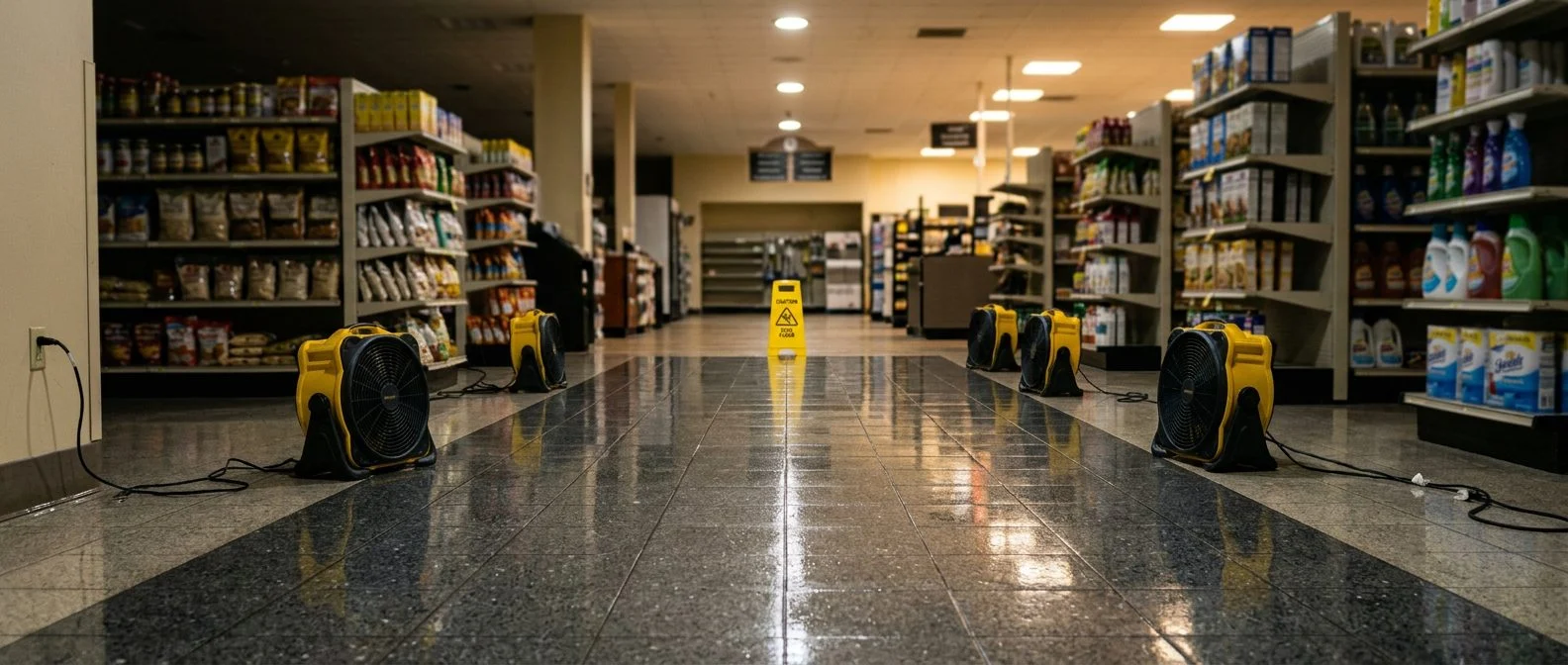
Next step: a free initial consultation for damaged commercial floors
If you manage a building with damaged floors from an earlier vendor, a consultation is the right next step.
Picture this: you’ve inherited floors with stripping marks, haze, peeling, or discoloration. You need to decide whether they can be corrected. Our team reviews your photos and records, identifies the floor type and the damage, and explains which repair paths are realistic for each area.
La consulta inicial es gratuita, confidencial y sin compromiso de continuar.
If your floors show that kind of damage, use our contact form or call the office to schedule that assessment.
What a Floor Assessment Looks At
Surface condition
We examine the finish, traffic wear, and any dull, hazy, or uneven areas to understand how the floor has been treated.
Type of damage
Etching, scratching, residue buildup, and staining each respond differently, so we identify which problem is present before recommending work.
Realistic repair paths
Our team explains which options are reasonable for your floor, including what may improve and what may remain.
A clear maintenance plan
You receive a written outline of recommended steps, so you can decide how to move forward with confidence.
Pause Before Trying Harsh Products
Aggressive cleaners, strong stripping agents, or repeated scrubbing can worsen some floor damage. Ask for an assessment before applying new treatments yourself.
Common Kinds of Prior Damage
Etching and Dull Spots
Acidic or alkaline cleaners can leave marks in stone and terrazzo. Some dulling may improve with surface work, while deeper etching may remain visible.
Scratches and Wear
Grit and heavy foot traffic can wear through the finish. Refinishing or buffing may reduce the appearance of scratches, depending on their depth.
Residue and Buildup
Layers of old wax or sealant can trap dirt and cloud the floor. Removing buildup correctly is often a key step before any new finish is applied.
Staining and Discoloration
Stains may come from spills, moisture, or chemical reactions. Their source and the floor material both shape which treatments are appropriate.