
Commercial Landscape Maintenance | South Florida
Storm Cleanup for Commercial Landscapes, Ready Before the Next Storm
Hurricane season can leave a property buried in debris in hours. Here is how to prioritize the work and get your grounds back in service.
By Ryan Jurney · Published November 23, 2026
A storm has just passed, and your commercial property has broken limbs, debris across walkways, and beds that look flattened. Where do you start? Start with safety, record the damage, then restore the landscape in order.
This checklist covers commercial landscape storm cleanup in Miami-Dade and Broward counties, step by step, so you don’t undo evidence or work on a site that isn’t safe yet.
Why the Order of Storm Cleanup Matters
Work in order, because the sequence decides what is safe to touch and how much damage you can read clearly.
Debris hides damage. A bed buried under palm fronds can’t be judged until the fronds are off. Restoring plants before you assess them can mean replanting material that was never going to recover, or missing damage that was there the whole time.
Order also protects people. Walkways, entrances, and parking areas carry the most foot and vehicle traffic, so they come first. Doing the steps in sequence also gives you one clear record of what happened, when, and what was done about it.
This checklist is written for property managers, association managers, and commercial owners deciding what to do first. It runs in five parts: hazards, documentation, restoration, irrigation, and hard surfaces.
If debris is blocking your walkways or parking, or your beds and irrigation need a reset after the storm, our team can talk through your site with you. Talk it through with our team — the first consultation is free, confidential, and carries no obligation.
Step 1: Remove Hazards First, Starting With Walkways and Parking
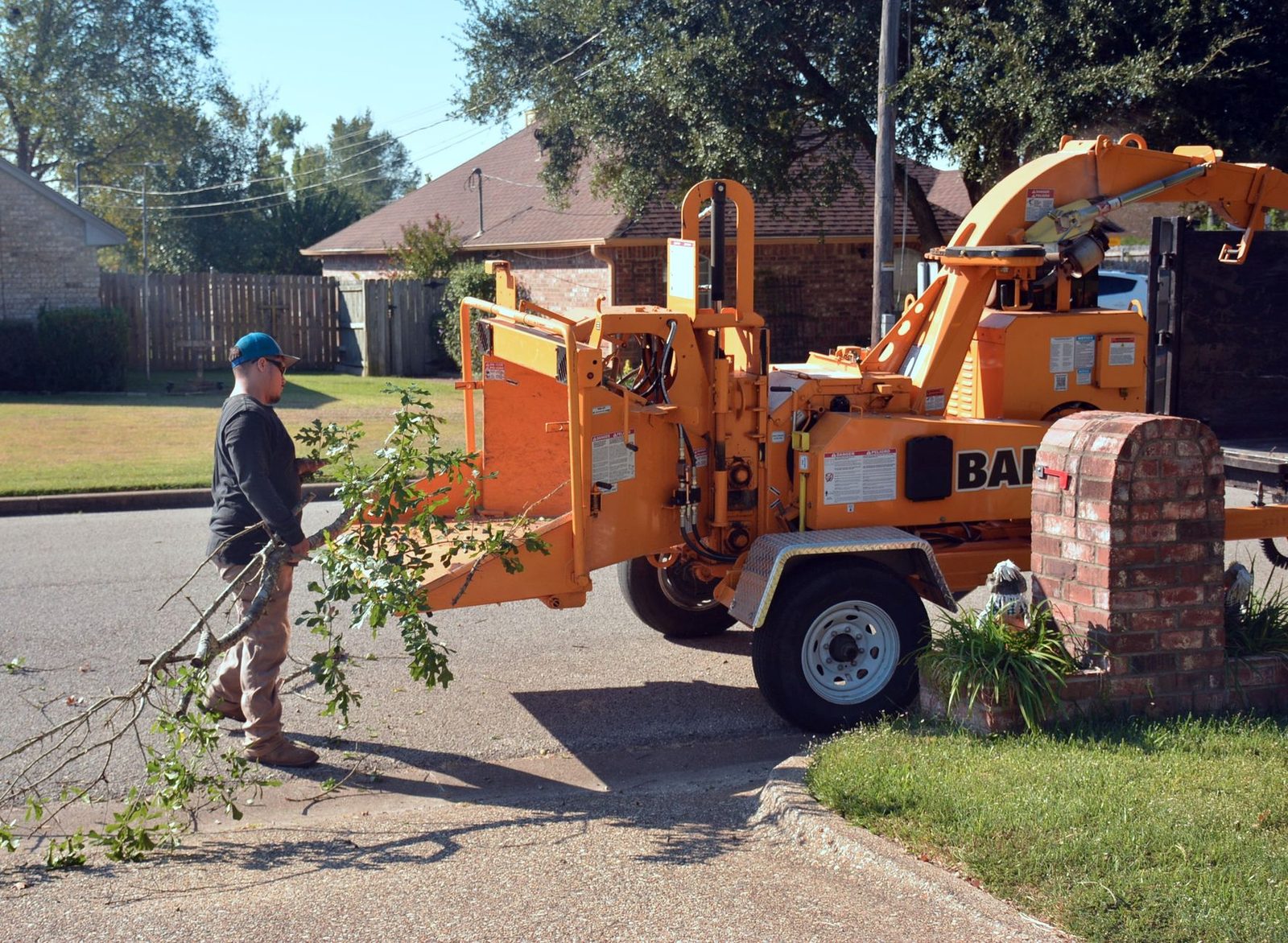
Clear broken limbs, hanging branches, and debris from walkways, entrances, and parking areas before any other work.
A branch that looks attached may not be. Treat any broken limb hanging over a walkway as a hazard, even if it looks small. Name one person to make the call on each hazard so decisions aren’t stalled.
Start with the paths people use most, including residents, staff, delivery drivers, and vehicles. Keep people back from downed limbs that may shift or fall.
The South Florida Water Management District’s StormWise landscape guidance lists trimming shrubs and removing dead or hazardous limbs as core landscape preparation for commercial and other property landscapes.
If a line or wire touches the debris, don’t handle it by hand. Keep everyone clear and report it to the utility company.
Hazards come first for a practical reason. Work started before the debris is cleared can cover up damage and create new risks.
Step 2: Document Damage Before the Site Changes
Photograph and video every affected area, with dates and times, before anyone moves debris.
Walk the property in a set pattern. Capture a wide view and a close-up of each affected spot, covering trees, shrubs, beds, turf sections, walkways, parking, and irrigation parts. If you can, shoot from the same spot before and after each step. A matching set makes the timeline easy to follow.
Keep a written log that matches the photos. Note each zone, what was damaged, and when you found it. Save invoices, work orders, and crew visit records in one folder for the insurance file, and keep a copy off your phone.
Who pays for debris removal is set by the lease, so review the lease terms first. One Miami-Dade County lease approval shows a commercial lease putting waste removal and common-area maintenance charges on the tenant.
Documentation supports whatever claim process an owner chooses to pursue. It doesn’t decide how that process ends.
Step 3: Restore Turf and Beds After the Site Is Safe
Judge turf and beds only after hazards are gone and documentation is complete.
Sort plant material into two groups: broken or uprooted pieces, and plants that still show live growth. That difference is easier to see once debris is off the surface.
Work in this order: remove dead or damaged material, clear the beds, then decide on turf repair and replanting. Replanting too early can cover up plants that are still recovering.
Turf that looks flattened may be torn up at the roots, or it may just be matted down by debris. A quick check at a few spots helps show which it is.
Mark each damaged turf section in your log before you decide what to replace. That keeps the replacement list tied to what you actually saw. Plant choices for replacement are a separate decision, made after the site is clear.
Step 4: Reset Irrigation Once Debris and Damage Are Cleared
Check heads, valves, and the controller for debris, sand, or broken parts before you run any zone.
Run one zone at a time. A single-zone run shows coverage gaps, leaks, and blocked heads that a full run can hide.
Check the controller’s clock and rain settings too. After a storm, a controller can keep running an old program.
Adjust the schedule to the site’s current condition. Stressed or damaged plantings often need different water than they did before the storm.
The right schedule depends on the site, including soil, plant type, and rainfall.
Plan Ahead for Hurricane Season and Clean Hard Surfaces
Set a post-storm plan before the season starts, then pressure wash hard surfaces once large debris is gone.
Your plan should name a contact sequence and a short list of key areas to inspect first. Put walkways, entrances, and parking at the top of that list. A written plan also helps you move quickly when a storm is forecast, because the contacts and key areas are already set.
Pressure washing removes the fine residue and sediment that debris leaves behind. Run it after the large debris is removed, so loose material isn’t just moved around. Surfaces may need a second pass if sediment remains.
Debris removal and pressure washing can be separate visits. Scheduling them apart lets each job get full attention.
Beachfront sites need one more check.
Not sure what your next step is?
Talk it through with our team — the first consultation is free, confidential, and carries no obligation.
How Gator Protection Supports Post-Storm Landscape Work
Gator Protection provides commercial landscape services and pressure washing across South Florida, including Miami-Dade and Broward counties.
Our team can take these steps as separate visits, based on what each site needs. That covers debris and bed work, irrigation checks, and pressure washing.
Our support staff helps coordinate scheduling and site visits. Our team can review a site’s conditions during a consultation.
La consulta inicial es gratuita, confidencial y sin compromiso de continuar.
If debris is blocking your walkways or parking, or your beds and irrigation need a reset after the storm, contact our team to talk through your site.
What should be cleared first after a storm?
Broken limbs and debris on walkways, entrances, and parking come first. They create the most immediate risk to people.
Should I photograph storm damage before cleanup?
Yes. Take dated photos and video of each affected area before debris is moved.
Does pressure washing come before or after debris removal?
After. Remove large debris first, then pressure wash the hard surfaces.
Stay clear of downed power lines
Never attempt to clear limbs or debris near downed power lines or utility equipment. Keep people away from the area and contact the utility company first.
Storm cleanup services for commercial properties
Debris removal
Clearing fallen limbs, leaves, and storm debris from lawns, beds, parking areas, and common areas.
Tree and limb clearing
Removing broken limbs and hazardous material first, so walkways and entrances are safe to use.
Post-storm pressure washing
Removing mud, sand, and grime from walkways, dumpster pads, building exteriors, and entry areas.
Floor care and day porter support
Keeping lobbies, entrances, and hallways clean as tracked-in dirt and debris build up during the recovery period.
How we approach storm recovery
Safety first
We start with the areas that pose the most immediate risk to people, such as walkways, entrances, and parking.
Documented work
We help you record conditions before and after cleanup so your property records stay complete.
Planned around your operations
We schedule work to fit your business hours and tenant access needs.
Your team, your site
Our team is familiar with South Florida commercial properties and works with your property staff throughout the job.