

Day Porter Service | Miami-Dade County
Know Your Day Porter Contract's Renewal Date Before It Renews
A plain-language guide for Miami-Dade condo boards and managers on reading an auto-renewal clause, plus a free, confidential first consultation with Gator Protection, with no obligation to continue.
By Ryan Jurney · Published November 7, 2026
A day porter contract auto renewal notice deadline is set by the agreement itself, and missing it can carry the building into another term. Most day porter agreements renew on their own unless one side sends a written notice of non-renewal before a fixed date. For a Miami-Dade condo board or property manager, that date can arrive faster than expected. This guide walks through the checks to make before it passes. For background on the service itself, see our day porter service page.
Where the Notice Deadline Usually Sits in a Day Porter Contract
The notice deadline usually sits in the term and termination section of the agreement, and it counts from the current term end date. Read that section first. A renewal clause often points to other sections for the method of notice or the pricing terms, so keep the full contract in hand.
Three items to pull first are the term length, the written-notice window, and the method of notice. The term length tells you when the current agreement ends. The notice window tells you how many days before that end date you must act. The method of notice tells you how the notice must be delivered to count.
Locate these three items before any board discussion starts. A board that begins with a debate about services can run out of time before anyone confirms the date. Having the items on one page keeps the meeting focused on a decision instead of a search for the clause.
If your building's day porter agreement is close to its notice date and the renewal terms aren't clear, our team can go through it with you before anything is sent. Talk it through with our team — the first consultation is free, confidential, and carries no obligation.
Step 1: Identify the Initial Term and the Renewal Trigger
Start by finding the start date, the initial term length, and the exact end date. Write all three down. An end date described as “one year from signing” is harder to act on than a specific calendar date, so convert it into a date you can circle on the calendar.
Next, look for the wording that says the agreement renews automatically unless a party gives notice. Renewal language often uses phrases such as “shall automatically renew” or “unless either party gives written notice.” Mark that sentence. It is the trigger for the entire day porter contract auto renewal notice question.
Note the length of each renewal period. A one-year renewal comes back into play once a year, while a three-month renewal can require action four times a year. Also check whether the renewal covers the whole agreement or only certain service lines. A building might renew its day porter service but not its pressure washing work, and the two can carry different dates.
Step 2: Count the Written-Notice Window Backward from the Renewal Date
Count the notice window backward from the renewal date, not forward from today. Find the number of days the contract requires. Then subtract that many days from the date the renewal takes effect.
Confirm whether the contract counts calendar days or business days. Also check how the agreement handles a deadline that falls on a weekend or holiday. Those details can move the date by several days, so write down the exact rule rather than relying on memory.
Check the contract’s definition of written notice. Some agreements say notice is effective when it is sent. Others say it is effective when it is received. Those two readings can produce different deadlines, so build your plan around the wording in your copy.
Set your internal deadline a few days ahead of the contract deadline. That gap gives the board time to meet, vote, and arrange delivery. Waiting until the last business day leaves no room for a meeting that gets postponed.
Step 3: Confirm the Method and Address for Giving Notice
List the approved methods the contract names, such as certified mail, overnight delivery, hand delivery, or email. If the contract names only one method, use that method. Choosing a different delivery route adds a risk you can avoid.
Compare the notice address in the contract with the building’s current mailing address and the managing agent’s address. Addresses change over the life of a contract. A notice sent to an old address may never reach the party it is meant for.
Identify who may sign or send notice for the association. The contract and the association’s governing documents should answer that question. Keep proof of delivery, such as a certified mail receipt or a delivery confirmation, in the building’s file. Whether a particular notice satisfies the contract depends on the facts of the agreement, so check the exact language before anything goes out.
Step 4: Check the Scope of Day Porter, Floor Care, Pressure Washing, and Landscape Services
Compare the scope section with the work the building actually receives. Day porter tasks often include lobby cleaning, trash and recycling handling, and common-area checks. If the list in the contract does not match the daily work, write down the gap before the renewal vote.
Review any floor care, pressure washing, or landscape items in the scope. Look at the stated frequency and hours. Regular floor care and prompt attention to spills help keep walking areas safe for building occupants.
Landscape work has its own timing. Check those rules before you set service days for landscape or pressure washing work.
Note where the scope is vague. An undefined frequency makes it hard to judge whether the renewal still fits the building’s needs. Record any scope changes the building requested or approved since the agreement was signed.
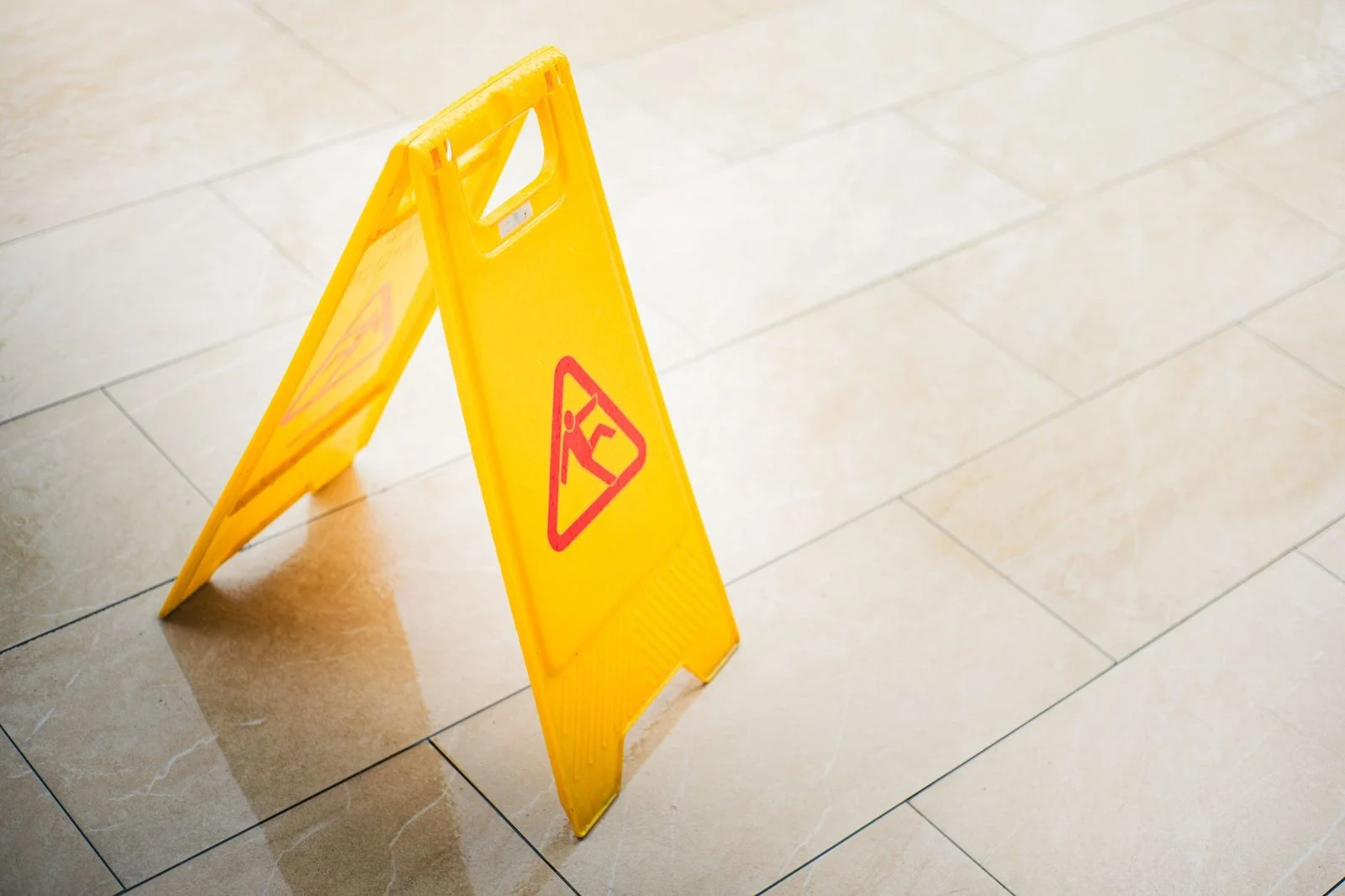
Step 5: Review the Pricing Escalator Before You Renew
Identify how the price changes. It may rise by a fixed percentage, by an index, or by a negotiated amount. Note when each increase takes effect.
Check whether the contract requires advance written notice of a price increase, and what that notice must include. A price change that arrives without the required notice should be flagged for the board.
Calculate the total cost of the next renewal term under the escalator. Compare that figure with the current invoices. Seeing the full number before the vote lets the board decide on the same facts.
Flag any clause that changes pricing or scope automatically at renewal, without a separate written approval step. One easy mistake is to read only the base price and miss the increase built into later years. Those clauses deserve a board discussion before the notice date passes, not after.
Not sure what your next step is?
Talk it through with our team — the first consultation is free, confidential, and carries no obligation.
Step 6: Read the Holdover and Month-to-Month Terms
Find the holdover language. It governs what happens if services continue after the term expires without a signed renewal. Holdover terms can differ from the original agreement, so read them in full.
Check whether the holdover period converts to month-to-month service, and at what rate. A rate change at that point can matter as much as the renewal price.
Note whether either party can end a month-to-month arrangement on a shorter notice period than the original term requires. A shorter exit can give the building flexibility. It can also end service sooner than the board expects, so plan for both outcomes.
Confirm whether the holdover terms repeat the notice and method requirements from the termination section. If they do not, ask the board to note which rule controls. Clear notes now prevent confusion later.
Step 7: Calendar the Date and Review the Agreement with the Board’s Counsel
Enter the internal deadline and the contract deadline on the building’s calendar. Set reminders at least 30 and 14 days before the notice date.
Place the decision on the agenda of the board meeting that falls before the internal deadline. Record the vote or direction in the minutes.
Contact Gator Protection, Inc. to talk through your building’s service needs before anything is sent. Keep the signed agreement, every amendment, and every invoice that shows current pricing. That keeps the review tied to the current version of the contract.
Get the Building’s Current Agreement Walked Through Before the Notice Date
The review covers the term, the notice window, the method of notice, the scope, the escalator, and the holdover terms.
Frequently Asked Questions
When is the day porter contract auto renewal notice deadline?
It is set in the contract’s term and termination section. Count backward from the renewal date using the exact number of days the contract requires.
Can a board stop an auto-renewal?
Read the clause’s exact wording to see how the renewal works and how a party can give notice to stop it. Then use the delivery method the contract names.
Who should review the contract before the deadline?
The board should contact Gator Protection, Inc. about its day porter or landscape service needs before any notice is sent.
If your board is facing a notice date and the renewal, pricing, or holdover terms aren’t clear, our team can walk through the current agreement with you. The first consultation is free, confidential, and comes with no obligation to continue. Contact Gator Protection, Inc.
How Gator Protection Can Help Your Condo
Contract Review
We can walk through your day porter agreement with you so the term, renewal, and notice language is easier to follow.
Renewal Planning
We help you note the renewal date on your calendar so your board has time to review service needs before the contract moves forward.
Day Porter Service
Our day porter service keeps lobbies, common areas, and building entrances clean and presentable throughout the day.
Clear Communication
Our team keeps your board and property manager informed about scheduling, service questions, and any changes to the agreement.
Review the Notice Language Early
Renewal terms can be easy to overlook. Read the term and termination section of your day porter agreement now, and make sure your board knows how and where notice must be given.
Steps for Reviewing Your Day Porter Contract
1. Locate the Renewal Clause
Find the section that describes the initial term, renewal, and termination. Keep a copy of the signed agreement with your board records.
2. Note the Notice Terms
Identify how notice must be delivered, to whom, and in what form. Confirm these details with your property manager and board.
3. Set Internal Reminders
Track the renewal date and any notice period on a shared calendar so the board has time to discuss the service.
4. Ask Questions Early
Contact Gator Protection with any questions about your day porter service or contract. Our free, confidential first consultation has no obligation to continue.
Have Questions About Your Day Porter Contract Renewal? Let's Talk.
Related practice areas
- Day Porter Service in Miami-Dade: What It Covers and How to Switch Vendors
- Day Porter Service in South Florida