
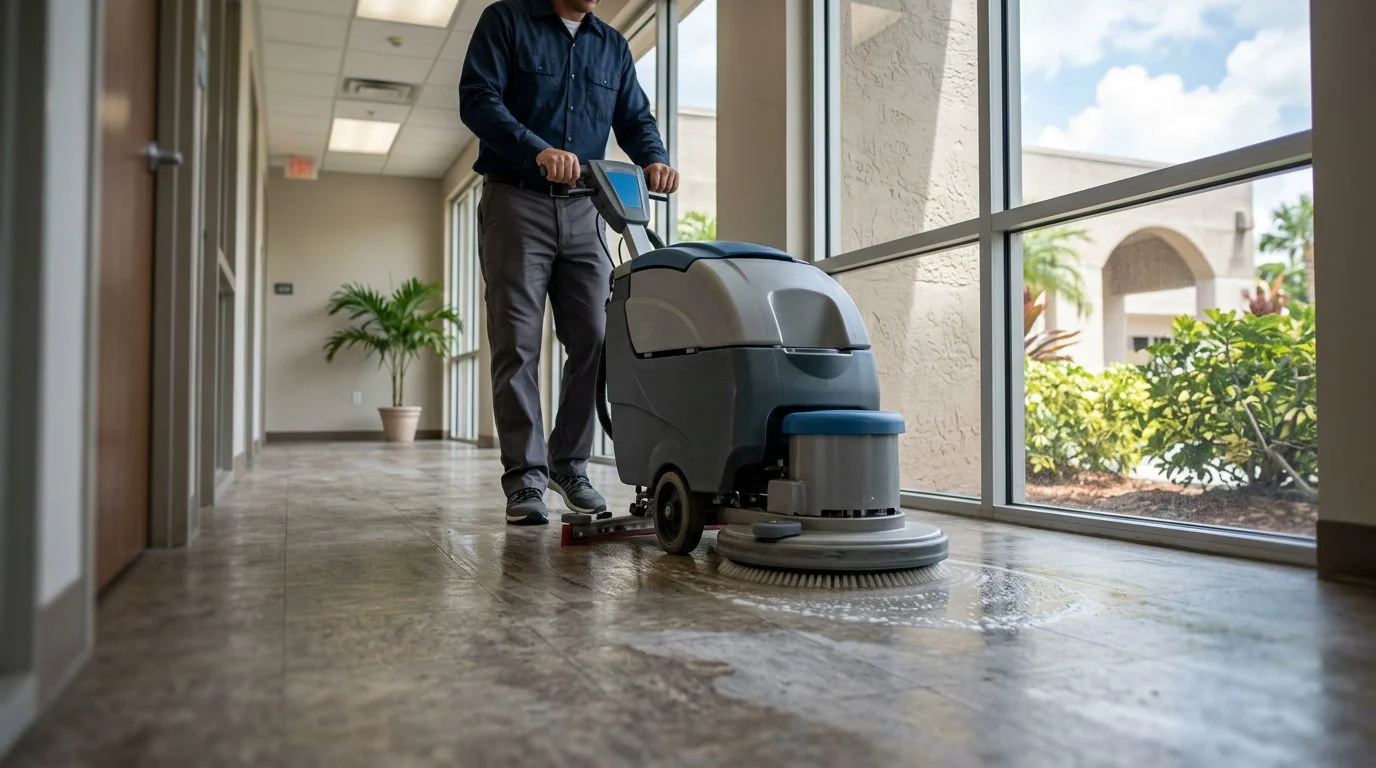
Floor Care Maintenance | South Florida & Atlanta
Is Wax Buildup Dulling Your Commercial Floors?
Here is how buildup forms, how it is safely removed, and how Gator Protection can keep your floors looking their best.
Working With Gator Protection
Free
First consultation
Confidential
No obligation to continue
4
Core commercial services
By Ryan Jurney · Published November 25, 2026
A dull, yellowed floor in a lobby or restaurant often means old finish has built up underneath. To remove wax buildup from a commercial floor, you strip the old layers with a floor stripper, pick up the residue, rinse, and let the floor dry before new finish goes down.
This guide covers what causes buildup, the warning signs, the stripping steps for common floor types, and the mistakes that bring buildup back faster. It is written for facility managers, property managers, and business owners across Miami-Dade, Broward, and Palm Beach counties, including South Beach, Coral Gables, and Brickell.
What Wax Buildup Is and How It Forms
Wax buildup is a stack of old floor finish that was never fully removed. Finish goes on in thin coats, and each new coat laid over an old one adds another layer.
Over time, those layers trap dirt, scuff marks, and cleaning residue. The film hardens and dulls, and routine mopping mostly pushes it around. Entrances, main aisles, and corridors build up fastest because foot traffic and carts wear the finish and grind grit into it.
Leftover detergent in mop water can also leave a sticky film on top of the finish. That film holds more dirt, so the floor looks worse even when it is cleaned often.
If your floor looks dull, yellowed, or sticky, a visit from our team can assess the finish and talk through stripping options for your space. Talk it through with our team — the first consultation is free, confidential, and carries no obligation.
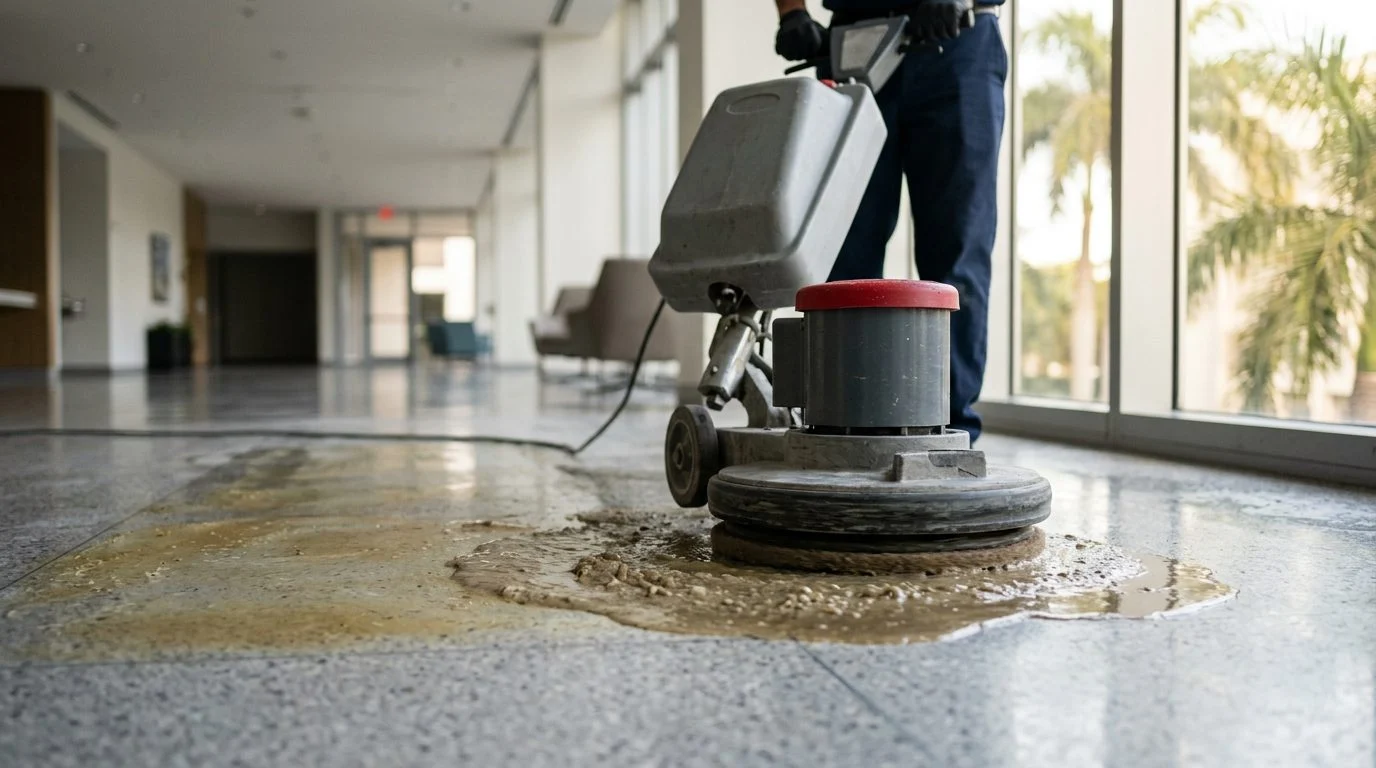
Signs a Commercial Floor Needs Stripping
A floor needs stripping when it stays dull or uneven even after routine cleaning. The finish may also feel sticky, which is a clear sign of buildup.
Look for these signs:
- Dull, hazy, or uneven shine that mopping no longer restores.
- Yellowing or gray tones, especially in corners and along walls where mop water collects.
- A tacky feel underfoot, with dirt that looks embedded rather than sitting on top.
- Scuffs or footprints that come back quickly after mopping.
Buildup also changes how a floor handles water. The OSHA slip-resistance handout notes that wet or spilled floors and smooth or newly waxed surfaces increase slip risks. A floor with heavy buildup can be slick even when it looks clean.
How to Strip Wax From a Commercial Floor, Step by Step
Stripping softens the old finish with a floor stripper, agitates it with a machine, and then removes the residue. Follow these steps in order.
- Clear the area. Cover baseboards, equipment, and nearby surfaces, and block the area so no one walks on wet floor.
- Dust mop or sweep thoroughly. Loose grit can scratch the floor once the machine starts working.
- Apply a floor stripper suited to the finish and floor material. Let it dwell for the time the product directs, then scrub with a machine and pad.
- Pick up the solution with a wet vacuum or extractor before it dries on the floor.
- Rinse with clean water, pick up the rinse, and let the floor dry completely before any new finish goes on.
Work one section at a time. This keeps the solution from drying on the floor and gives you control over each step.
Wax Removal on Concrete, Vinyl, and Hardwood Floors
The right product and method depend on the floor material, so identify it before you apply anything. A product that works well on one surface can damage another.
Sealed concrete tolerates a stronger stripping process than most resilient floors. It still needs the correct product and a thorough rinse.
Vinyl and other resilient floors need a stripper made for that surface. Household detergents and general cleaners often fail to remove built-up finish.
Hardwood calls for gentler handling. Identify the sealing system first, since a stripper that suits one finish can dull another.
Test a small, hidden area first. Confirm the product does not dull or damage the floor before you treat the whole space. When you choose a stripper, the EPA Safer Choice products list includes floor-stripper products that carry the Safer Choice certification.
Strip, Recoat, or Burnish: Choosing the Right Step
Strip when the old finish is heavy, worn, or failing. Recoat or burnish when the finish is still in reasonable shape.
- Stripping removes the old finish entirely. Use it when buildup is heavy or the finish is breaking down.
- Recoating adds a fresh coat over a floor that is still in reasonable condition.
- Burnishing uses a high-speed machine to bring up shine on an existing finish without removing it.
Burnishing cannot fix a floor buried under layers of buildup. In that case, stripping comes first. The right choice depends on the condition of the finish and how heavily the floor is used.
Common Mistakes That Make Wax Buildup Worse
The most common mistake is adding new coats without removing the layers below. Each extra layer adds to the buildup and makes the next strip harder.
Other mistakes include:
- Using a stripper that is too weak, which leaves finish behind, or too strong for the floor, which can harm the surface.
- Skipping the rinse. Leftover residue attracts dirt and can cause the next coat to fail.
- Stripping during busy hours. Wet floors create slip exposure for customers and staff.
Keeping floors clean, dry, and free of slip hazards is a practical goal in busy commercial spaces. Timing matters for South Florida offices, retail spaces, and restaurants. Stripping after closing or during a slow window keeps wet floors away from people walking through.
Not sure what your next step is?
Talk it through with our team — the first consultation is free, confidential, and carries no obligation.
What Affects the Cost of Stripping and Waxing
The cost depends on the size of the floor, how much buildup there is, the floor material, and when the work can happen. Each of these factors changes the labor and the products needed.
- Total square footage and how many separate areas need work.
- How heavy the buildup is and how many finish layers must come off.
- Floor material, since concrete, vinyl, and hardwood each call for different products and methods.
- Scheduling, including whether work must happen during business hours or after closing.
Because these factors vary from one building to the next, an on-site look at the floor gives the most accurate starting point.
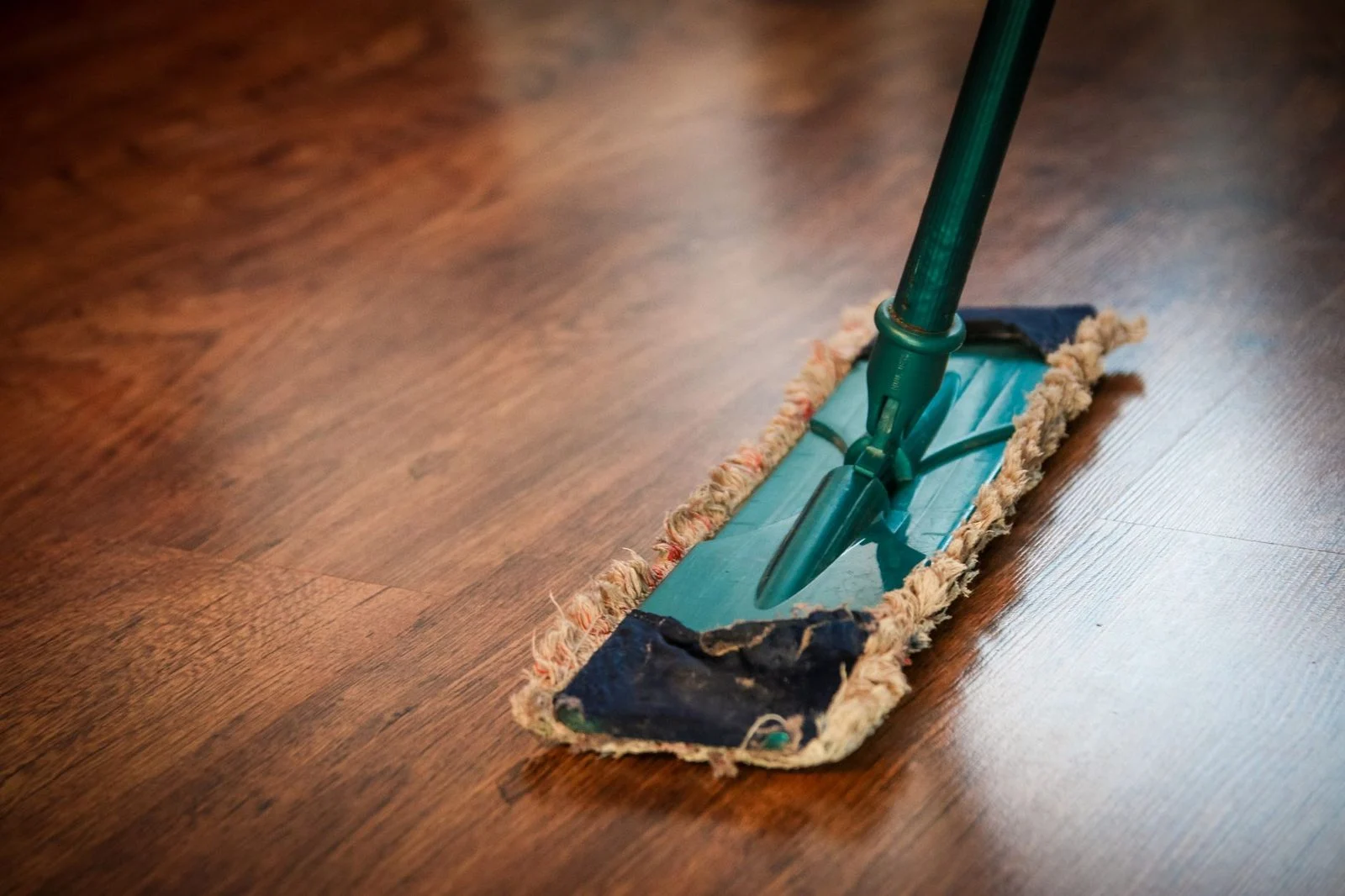
Keeping Commercial Floors From Building Up Again
Regular maintenance and thin, even coats are what slow buildup from returning. A simple routine protects the finish between strips.
- Schedule regular cleaning and burnishing to slow heavy buildup.
- Keep finish coats thin and consistent so layers do not stack.
- Use pads and cleaning solutions suited to the floor type between stripping visits.
How do you strip wax off a commercial floor?
You soften the old finish with a floor stripper, scrub it with a machine, pick up the solution, rinse, and let the floor dry. Each step should be finished before the next one begins.
Does wax buildup make a floor slippery?
Yes. Smooth or newly waxed surfaces and wet or spilled floors increase slip risks, according to OSHA guidance on floor safety.
Can stripping be done during business hours?
It can be scheduled during business hours, but wet floors raise slip risk. Timing the work around customers and staff is an important part of planning.
If your floor shows these signs and you want an assessment, contact Gator Protection, Inc. to arrange a visit. La consulta inicial es gratuita, confidencial y sin compromiso de continuar. You can reach the team through the contact page.
Why Commercial Properties Rely on Gator Protection
South Florida & Atlanta
We serve Miami-Dade, Broward, and Palm Beach counties, plus South Beach, Coral Gables, and Brickell, and parts of Atlanta, Georgia.
Scheduled Floor Care
Floor care maintenance can be planned around your business hours so routine work stays on track.
Day Porter Support
Our day porter service helps keep high-traffic floors and common areas clean between deeper cleanings.
Easy First Step
Call the office or fill out the contact form to discuss your floors and request a free quote.
Important: Don't Rewax Over Buildup
Applying new finish over old, dirty, or yellowed wax can trap grime and create an uneven look. Remove the built-up layer first, then rebuild the finish.
Signs Your Floors Need Wax Removal
Yellowing or Haze
A cloudy or amber tint often means old finish has built up in layers over time.
Dull, Sticky Surfaces
If floors look dull even after mopping, or feel tacky underfoot, residue may be the cause.
Dark Scuffs That Won't Clear
Scuff marks that resist routine cleaning can sit in old finish rather than on the floor itself.
Uneven Shine
Patchy gloss or dull traffic lanes usually point to inconsistent finish that needs to be stripped and reapplied.