
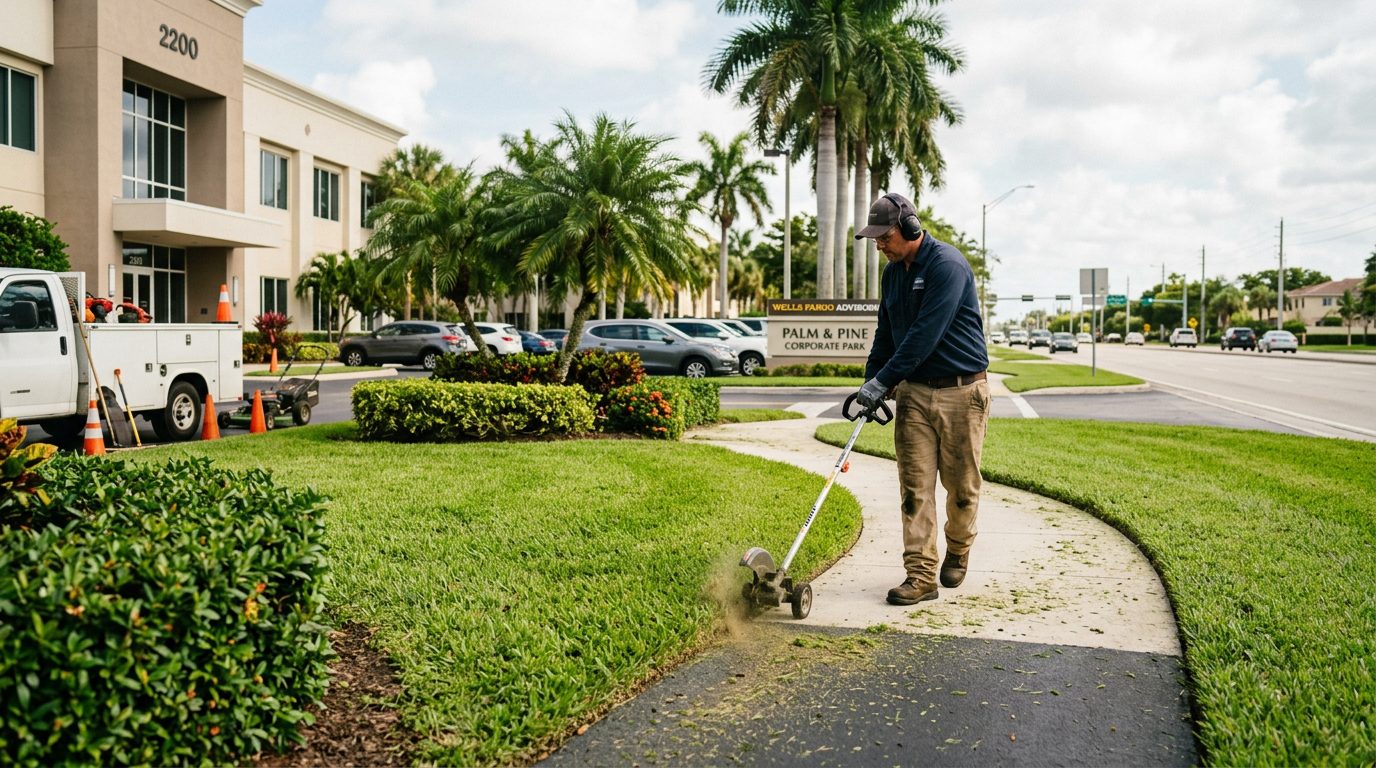
Commercial Landscape Services | Broward & Palm Beach
Get Your Commercial Grounds Ready Before Storm Season Arrives
Planning ahead helps property managers and business owners keep grounds tidy, safe, and ready for the weather to come.
By Ryan Jurney · Published November 23, 2026
Storm season is a planning job for commercial property managers. Commercial landscape hurricane preparation in Broward County and Palm Beach County comes down to a short list: inspect the trees, secure loose material, clear drainage, and write down what you find.
A commercial site is ready when dead or hazardous limbs are removed, shrubs are trimmed back from walks and entries, loose items are secured, and drains can carry rain away. The South Florida Water Management District’s StormWise guidance covers these steps for commercial and other property landscapes.
Why Commercial Sites Need a Landscape Plan Before the Season
A written landscape plan gives you a dated record of what was checked, what was done, and what must be checked again after a storm.
Commercial sites carry more risk than a single home. They often have large tree canopies, long hedges along parking areas, entrance signs, and steady foot traffic. A limb that falls on a walkway or a parked car is more than a yard cleanup. It can block a tenant’s entrance, close a loading area, or injure someone walking by.
Most of these problems are visible before the season starts. A walk-through with a checklist catches them early. Planning in the spring is far easier than rushing crews onto the site the day a storm is forecast.
Many managers rely on memory or a single crew visit. That leaves no record. When something is damaged later, nobody can show what the site looked like before the storm. A plan with notes and photos solves that problem, and it gives owners or a board a clear account of the work.
If your commercial site has palms and hedges that need work before the season, or storm debris is blocking an entrance now, reach out and we can walk the property with you. Talk it through with our team — the first consultation is free, confidential, and carries no obligation.
What to Inspect First: Trees, Palms, and Shrubs
Inspect every tree and palm for dead, cracked, or leaning growth. Flag any limb over parking, walkways, roofs, or vehicles.
Broadleaf trees and palms need different handling. For palms, remove dead fronds and seed pods. Avoid heavy crown pruning in the weeks before a storm and focus on the dead material instead.
Shrubs cause quieter problems. Hedges that have grown into sidewalks, light fixtures, fire lines, or door paths create trip and access hazards. Trim them back before the season so paths stay clear when the wind picks up.
Walk the property with a clipboard or tablet. Note each problem, its location, and its priority. Take a dated photo of every flagged item. The City of Palm Beach Gardens’ landscape hurricane preparedness guidance covers tree preparation for Florida property owners, and those photos give you a baseline to compare against after a storm.
Securing Loose Material and Clearing Drains
Secure or remove anything that can fly, float, or wash away before the first storm.
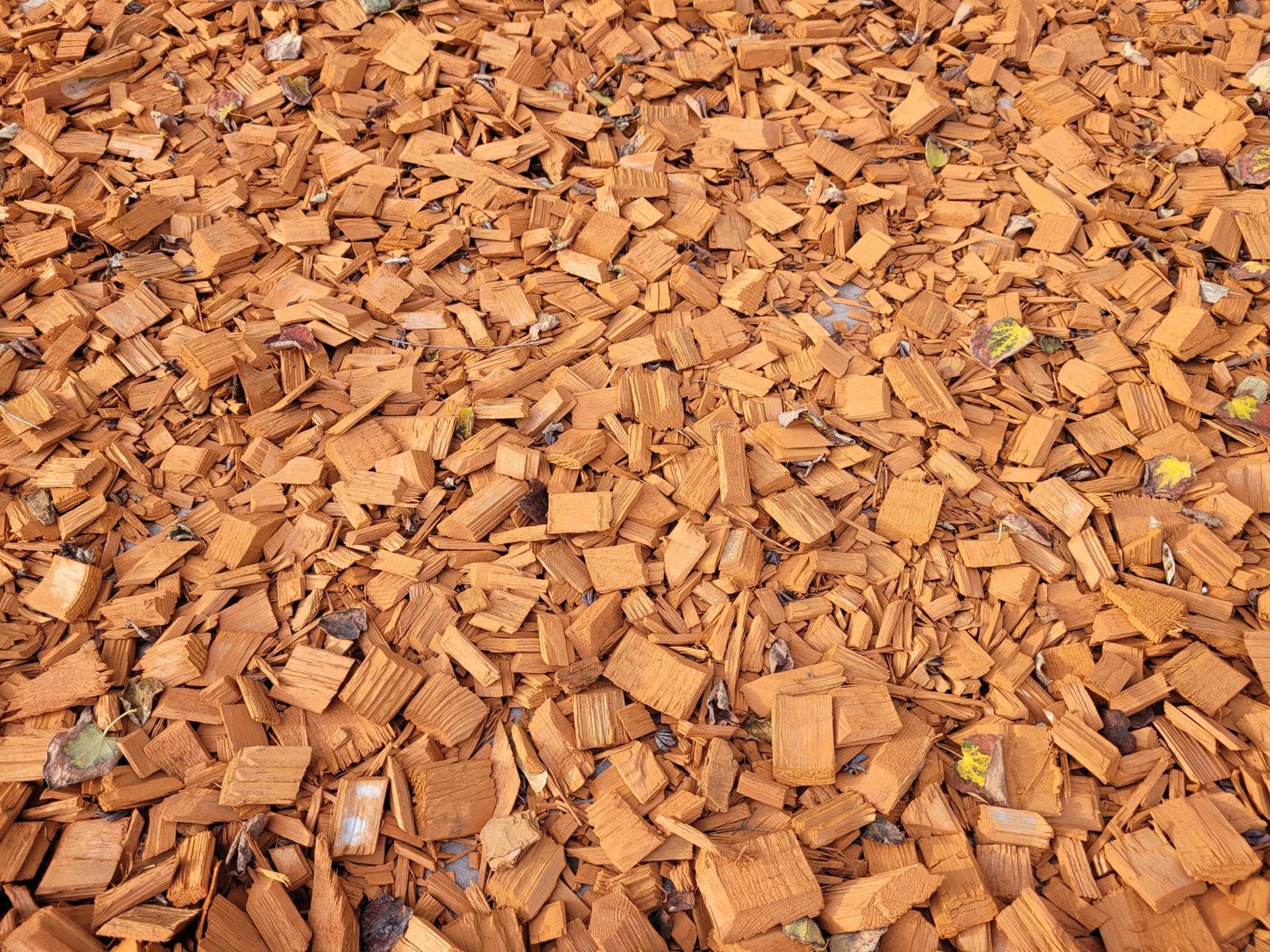
Loose items are the most common surprise. Check for mulch that has washed onto walks, stored materials, decorative rock, pots, and portable signs. Move what you can into a locked storage area, and anchor what has to stay outside.
Drainage matters just as much. Clear storm drains, catch basins, and curb inlets so rain can leave the site. Standing water in parking areas becomes a safety and access problem fast. It can also hide potholes, curbs, and loose debris.
Pressure washing fits into this step. Before the season, a wash removes built-up grime, algae, and organic debris from walkways, curbs, and entry surfaces. Clean surfaces show where water is actually flowing, and they reduce slip risk when rain arrives. Our team can handle this work across the whole site.
Turf, Irrigation, and Drainage Readiness
Fix thin turf and low spots, and set irrigation so it doesn’t run during heavy rain.
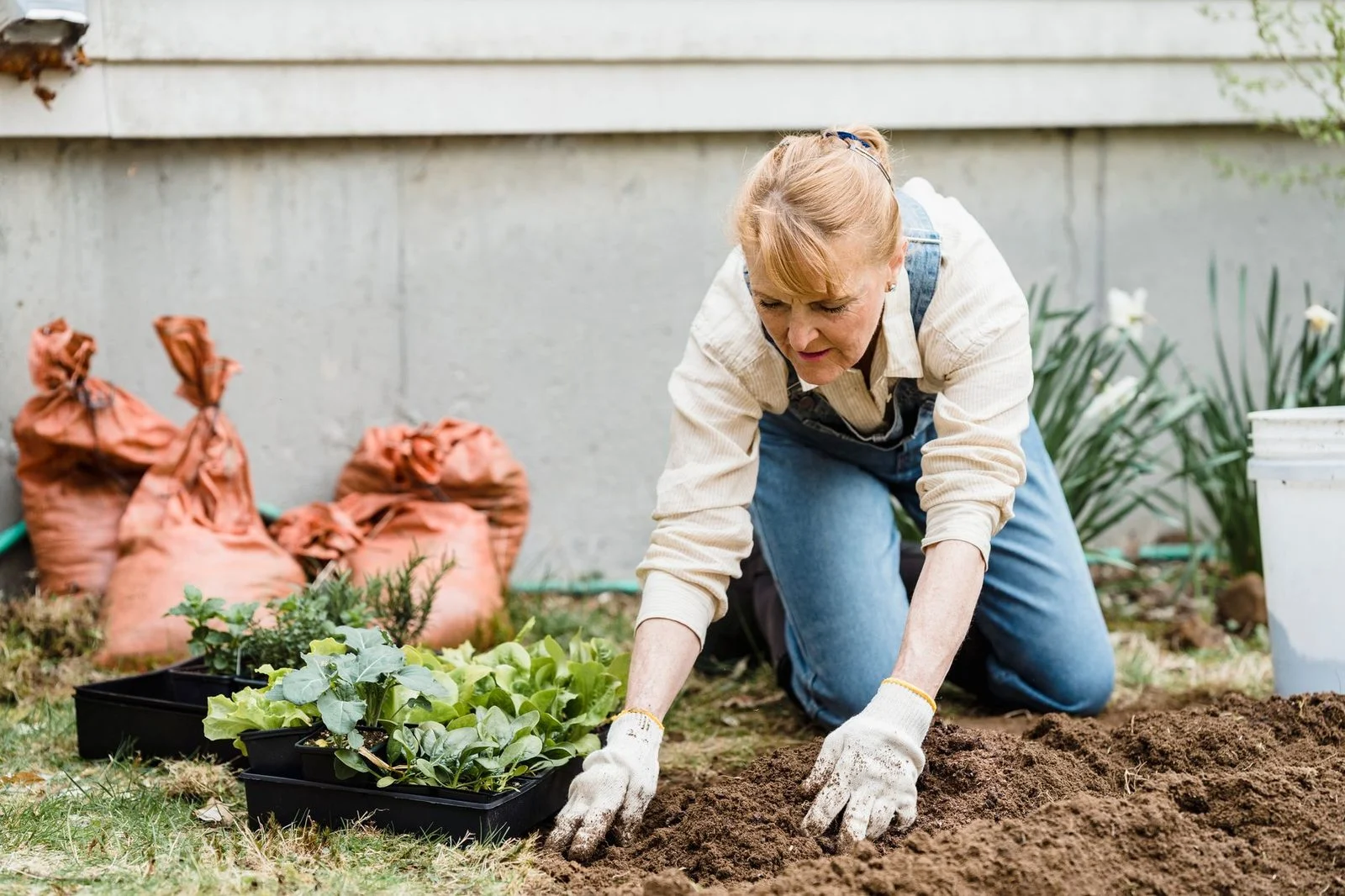
Bare or thin turf channels water and erodes when rain hits hard. Fill those patches and grade low spots where water pools. A fuller turf stand holds soil better through heavy downpours.
Irrigation needs attention too. Test each zone, then adjust or pause the timers so the system doesn’t add water during a rain event. Florida’s water conservation guidance covers landscape irrigation restrictions and water-saving practices, so check it before you set the schedule.
Finally, check the soil around buildings. Mulch beds should be contained, and soil should slope away from foundations and parking surfaces, not toward them. Water that runs toward a foundation causes damage that is harder to fix later.
After the Storm: Safety, Documentation, and Reinspection
Wait until the site is safe, then photograph the damage and clear walkways and entrances first.
Before anyone enters, look for downed power lines, standing water near electrical equipment, and unstable limbs. Keep people away from those hazards until they have been cleared.
Photograph the damage and debris before cleanup begins. Those photos give you a record for insurance claims or your own review. Then clear blocked walkways, entrances, and access routes first. Lower-priority cleanup can wait.
Damage to trees often shows up days later. Cracked trunks, split fronds, and root disturbance may not be visible right away, so reinspect after the first cleanup. Contact our team to discuss how to handle damaged trees on your property after a storm. If a tree looks structurally unsound, contact our team instead of making the cut yourself.
What to Ask for in a Storm-Season Landscape Scope
Put the scope in writing: covered areas, visit frequency, who approves emergency work, and how debris is hauled away.
A clear scope prevents disputes later. Specify which areas are covered and how often pre-season and post-storm visits happen. Confirm whether debris hauling is included or billed separately.
Ask about training and licensing. The University of Florida’s GI-BMP program is a state-recognized training program for landscape professionals on fertilizing, irrigation, and water quality.
Agree on documentation too. Set a standard for before-and-after photos at every visit so you can verify completed work.
When should palms be prepared before hurricane season?
Remove dead fronds and seed pods before the season starts. Avoid heavy crown pruning in the weeks right before a storm.
Should shrubs be trimmed before hurricane season in South Florida?
Yes. Trim shrubs back from walkways, entries, light fixtures, and door paths, and remove dead or hazardous limbs.
Does pressure washing help a commercial site prepare?
Yes. It removes grime, algae, and organic debris from walks, curbs, and entries, which shows drainage paths and reduces slip risk.
Not sure what your next step is?
Talk it through with our team — the first consultation is free, confidential, and carries no obligation.
Plan Your Site’s Hurricane Season Work With Gator Protection
Gator Protection, Inc. provides landscape services and pressure washing for commercial sites across South Florida, including Broward and Palm Beach Counties.
If your property has palms, hedges, and hardscape that need work before the season, or storm debris is blocking an entrance now, schedule a site walk. We’ll review the areas you need covered and put the scope in writing for you.
La consulta inicial es gratuita, confidencial y sin compromiso de continuar.
To get started, contact Gator Protection.
How Our Team Supports Your Property
Pre-Season Assessment
Our team reviews trees, palms, shrubs, and open areas to identify what needs attention before high winds arrive.
Scheduled Work
We plan landscape tasks around your business hours so tenants, customers, and staff experience minimal disruption.
Clear Priorities
We focus first on walkways, entries, parking areas, and other spaces where debris or overgrowth could create problems.
Ongoing Coordination
Our team keeps communication open with property managers so every visit fits your site's needs.
Plan Early, Not in a Rush
Landscape work done in a hurry can leave debris behind and reduce time for careful pruning. Contacting us early in the season gives your property the most room to prepare.
Key Areas We Prepare
Palms and Trees
Removal of dead fronds, seed pods, and hazardous limbs to reduce loose material during storms.
Shrubs and Walkways
Trimming back from entries, light fixtures, door paths, and pedestrian routes to keep access clear.
Turf and Drainage Areas
Attention to low spots, clogged drain paths, and grass conditions that affect how water moves across the site.
Loose Debris and Materials
Clearing mulch, stones, and other loose items that could scatter or block access when conditions change.