
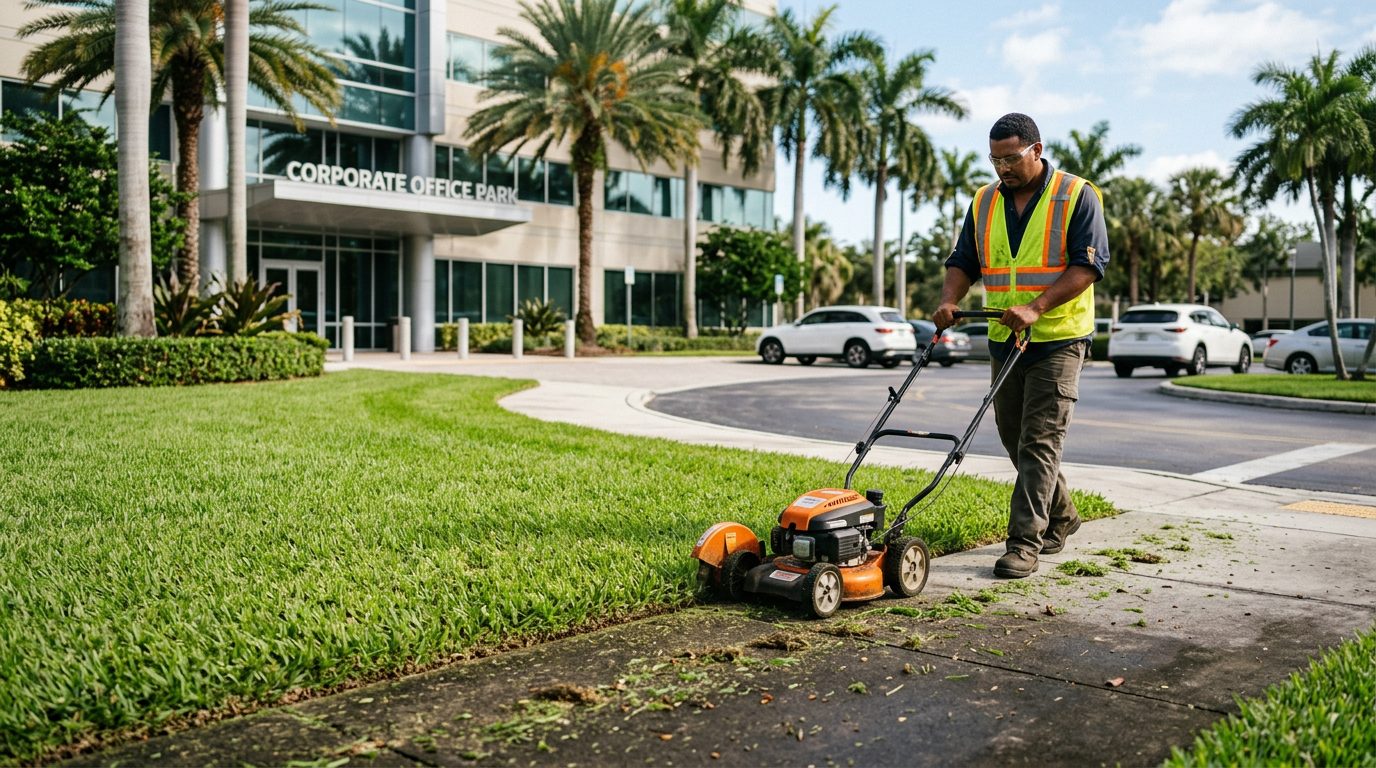
Landscape Services | South Florida
Turn Your Corporate Landscape RFP Into a Clear, Competitive Bid
A practical look at what property managers and corporate facilities teams should weigh when they put grounds maintenance out to bid.
By Ryan Jurney · Published November 21, 2026
You have a request for proposal for landscape maintenance at a corporate office, and you need to know what to bid and what to submit. A landscape maintenance RFP is a written document that lists the grounds work an owner wants, how often it should happen, and what each bidder must provide.
This guide explains how these documents are built, what the scope and bid sheet ask for, and how to prepare a response that can be compared fairly. It’s written for facilities managers, property managers, and procurement staff in South Florida.
What a Landscape Maintenance RFP Is and Who Uses It
An RFP asks vendors to price the same defined work, so the owner can compare bids fairly.
Corporate offices in South Florida use these documents for recurring grounds care. Facilities managers and property managers often write the scope. Procurement and administrative staff usually manage the process and the paperwork.
The key difference from an installation project is time. An installation ends when the plants go in. Maintenance repeats. Mowing, edging, pruning, and cleanup happen on a schedule, so the RFP must state how often each task happens.
Owners also issue an RFP when they add a new site or change providers.
Vague documents cause trouble later. When two bidders read the same line differently, their prices cannot be compared. A clear RFP protects the owner because every bid covers the same zones, visits, and disposal terms.
If your bid deadline is close and the scope still has open questions, send your RFP details to our team through the contact form today. Talk it through with our team — the first consultation is free, confidential, and carries no obligation.
Scope of Work: What a Corporate Landscape Contract Covers
A scope of work lists each task, the area it covers, and how often it gets done. Strong scopes are specific enough that two crews would perform the same work.
Most corporate scopes include:
- Mowing and edging by zone. Cover turf, perimeter beds, islands, and rights-of-way. State the cut height and whether clippings are removed.
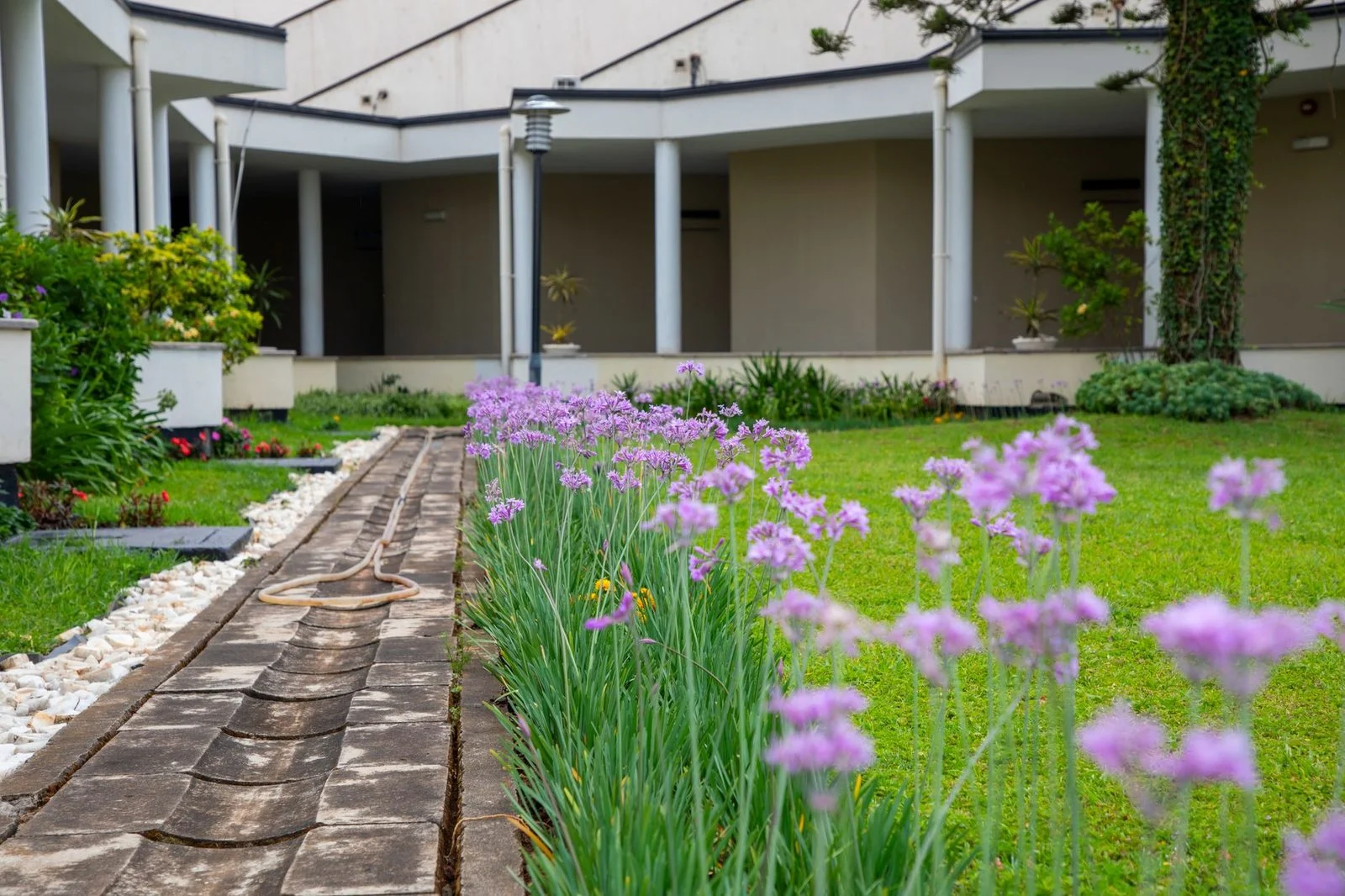
- Bed care. Weeding, mulch replenishment, shrub shaping, and pruning, each on a set schedule.
- Palm and tree basics. Trim fronds and remove dead material. Spell out who hauls and disposes of the debris.
- Cleanup. Debris removal, blowing walks and parking areas, and leaf and litter control.
- Pressure washing. Walkways, entrances, and parking surfaces, with frequency and approximate surface area.
- Base work versus add-ons. Seasonal color, extra washing, and plant replacement should be separate items.
Irrigation checks need their own line. Florida water conservation guidance from the Florida Department of Environmental Protection covers landscape irrigation restrictions. The RFP should say who checks the system and how often.
How to Read and Complete the Bid Sheet
A bid sheet turns the scope into prices that owners can compare line by line.
Common structures include:
- Monthly flat fee for the base scope.
- Per-visit pricing for scheduled tasks that repeat on a set frequency.
- Unit pricing for add-ons such as mulch, plant replacement, or extra pressure washing.
A good line reads like this: “Mowing, weekly, priced per visit, with clippings removed.” Check that every line has three things: the task, its frequency, and the unit or visit count it is priced against. A bid that skips frequencies can look cheaper while covering less work.
Watch for these common mistakes:
- Missing frequencies on recurring tasks.
- Optional items left unpriced.
- Unclear responsibility for debris disposal.
Keep every addendum and Q&A answer attached to the bid sheet. Those clarifications can change what a line means, so your pricing should reflect them.
Vendor Requirements: What Bidders Usually Provide
Most landscape RFPs ask for business information, proof of insurance, a staffing plan, and signed forms. Missing any one of these can make a response incomplete.
- Business and tax information, plus the licenses the work requires.
- Insurance. Expect requests for general liability and workers’ compensation coverage. A certificate of insurance often names the owner as additional insured.
- Staffing plan. List crew size, supervision, and the main point of contact.
- Equipment and safety. Cover mowers, blowers, and pressure washers used on occupied sites.
- References from comparable commercial properties, with contact details and service dates.
- Forms. Follow the response format, meet the deadline, and sign every mandatory form.
Contact our team to talk through your property’s needs and how we can help.
Some bidders also hold technician certification. The Florida Nursery, Growers and Landscape Association assesses skills across the areas landscape maintenance work covers.
The RFP Process and Typical Timeline
Most RFPs follow the same order: questions, preparation, submission, evaluation, and then a signed contract. Exact dates come from each owner’s published schedule.
- Review the full package. Read the scope, bid sheet, and requirements. List your questions.
- Submit written questions by the deadline. Track every addendum.
- Prepare the response in the order the RFP lists it: pricing, insurance, staffing, references, and forms.
- Submit on time. Late or incomplete responses are often rejected.
- Expect evaluation. Some owners request interviews or site walks before they award.
- Sign and start. Confirm insurance, sign the contract, and walk the property before the start date.
Contract terms need careful reading after award.
Why Work With Gator Protection on Commercial Landscape Maintenance
Gator Protection, Inc. provides commercial landscape services across South Florida, including Miami-Dade, Broward, and Palm Beach counties.
- Several services, one provider. Landscape services can sit alongside pressure washing, day porter service, and floor care maintenance.
- Support staff. Assistants and office staff help manage scheduling and communication.
- Neighborhood coverage. Brickell, Coral Gables, and South Beach corporate sites are part of our service area, with attention to occupied-site conduct and schedules.
When you talk with our team, we can review the scope and bid sheet you already have. That keeps the conversation tied to the written requirements in your RFP.
Not sure what your next step is?
Talk it through with our team — the first consultation is free, confidential, and carries no obligation.
Common Questions About Landscape Maintenance RFPs
Here are direct answers to common questions about landscape maintenance RFPs.
Can a smaller property bid on a corporate RFP?
Each RFP sets its own scope size and insurance levels. Check those requirements against what you can deliver.
What if the scope is unclear?
Submit written questions during the Q&A window. Note any assumptions in your response.
Should pressure washing be bid separately?
That depends on how the owner built the bid sheet. Match your line items to the RFP’s structure.
How do I know my response is complete?
Check that every line has a price, every form is signed, insurance certificates are attached, and the deadline is met.
What should a bid sheet say about debris?
State who removes debris, how often it’s hauled, and where it goes.
Is there a cost to talk about our property before we bid?
La consulta inicial es gratuita, confidencial y sin compromiso de continuar. In English, the first consultation is free, confidential, and carries no obligation to continue.
Talk Through Your Property’s Scope Before the Bid Deadline
Your RFP and bid sheet are the starting point for a useful conversation about your property.
Bring the RFP, the bid sheet, the property address, and any site photos or maps. Those items give us enough to go over zones, visit counts, and disposal terms with you.
If your bid deadline is close and the frequencies still don’t match, fill out the contact form with your RFP details today.
Why Corporate Offices Work With Gator Protection
Built for South Florida
We serve Miami-Dade, Broward, and Palm Beach counties, along with South Beach, Coral Gables, and Brickell.
Scope Built on the Site
We review the property and the RFP together so the proposed work matches what the office actually needs.
Coordinated Services
Landscape maintenance, pressure washing, floor care, and day porter service can be planned together under one contact.
Direct Communication
Our team keeps questions and assumptions in writing so both sides know what is included.
Don't Bid on an Unclear Scope
Vague scope language leads to disputes over frequency, coverage, and extra work later. Ask written questions before you submit, and note any assumptions in your response.
What a Strong Landscape RFP Response Covers
Scope of Work
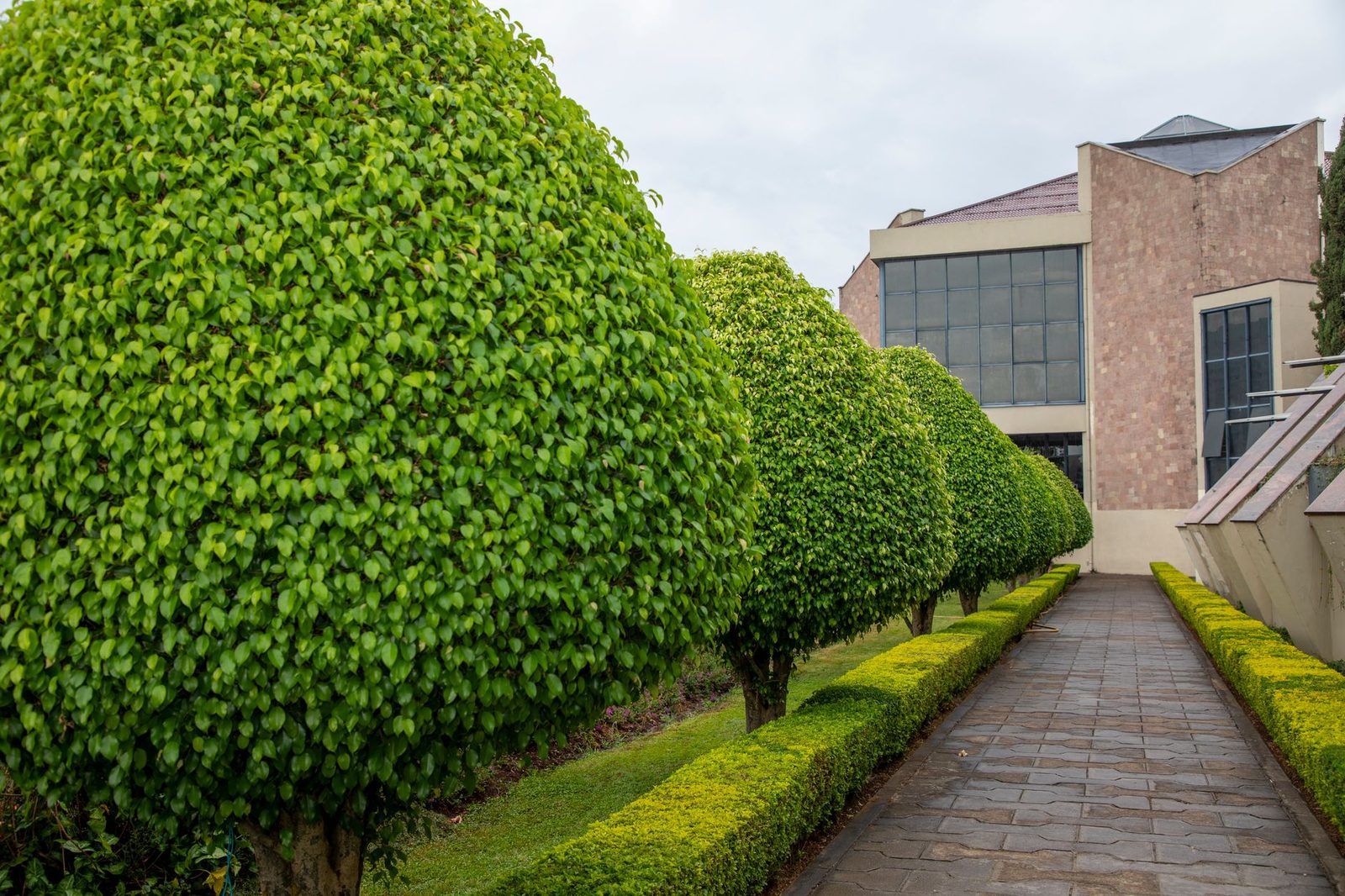
List turf, beds, trees, irrigation checks, and debris removal so every line item is clear.
Site Walkthrough
A walkthrough shows access points, slopes, drainage, and areas that need extra attention.
Service Schedule
State visit frequency, seasonal changes, and how the property will be serviced on holidays and during storms.
Pricing and Assumptions
Break out the base contract from optional services so the office can compare proposals fairly.