
Landscape Services | South Florida
Keep Your Commercial Palms and Shrubs Looking Their Best
A planned trimming routine protects your property's appearance, safety, and curb appeal year-round.
By Ryan Jurney · Published November 23, 2026
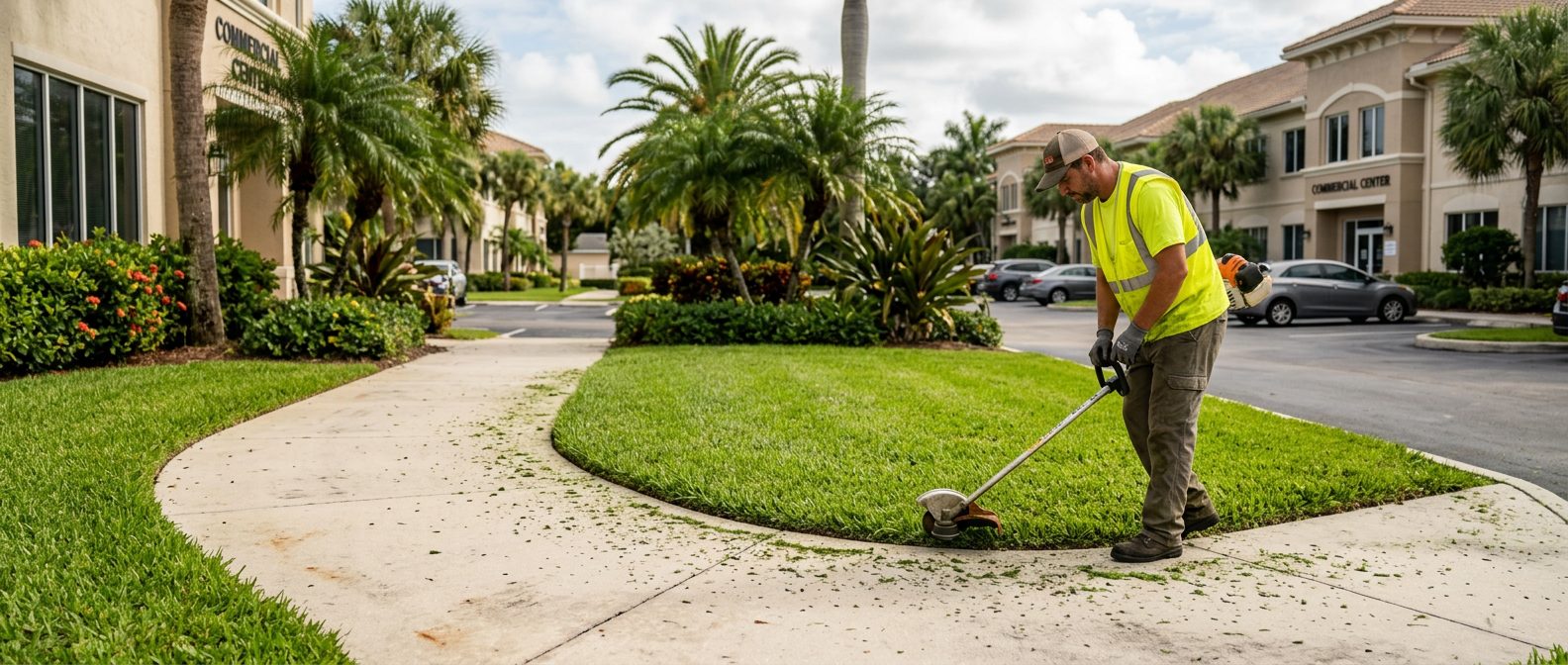
Your palms and shrubs do real work on a commercial property. They frame the entrance, shade the walkways, and stand beside the parking spaces where tenants and visitors pass every day. A clear palm tree trimming schedule for a commercial property keeps that greenery safe, neat, and easier to budget.
Here is the short answer. Set a baseline trimming interval for each area of the site. Then adjust that interval after every visit, based on what the crew removed. Write the schedule down and share it with the crew so both work from the same plan.
Why a Trimming Schedule Matters for Commercial Properties
A written schedule keeps palms and shrubs safe and presentable. Palm fronds can drop onto people near an entrance. Shrubs that grow over a sidewalk or a window can block a sightline at a driveway. These are everyday risks on a commercial site, not rare events.
Reactive trimming means waiting for a problem and then calling a crew. That often means rushed work, unplanned charges, and damage that has already happened. A scheduled program is planned in advance. It can be budgeted, and everyone on the property team can see what happens and when.
A schedule also helps the people who run the property. Facility managers can plan visits around tenant needs, events, and the busy season for storms. They can check the work against the plan instead of guessing whether the grounds are on track.
Our landscape services overview explains how palm and shrub care fits into a full commercial grounds program.
If palms near your entrance or shrubs blocking your driveway have you rethinking the schedule, contact us and we can review your site with you. Talk it through with our team — the first consultation is free, confidential, and carries no obligation.
How Often Palms Are Typically Trimmed in South Florida
Palm trimming frequency depends on the facts of each site. No single interval fits every property, so treat any general number as a starting point only. The factors that matter most are the palm species, how fast it grows, how exposed it is to wind, and how much dead material it holds.
A practical method starts with a baseline. Walk the property with the crew and set an interval for each group of palms. After each visit, note how much dead frond material came off. If the crew removed a lot, shorten the interval. If the palm was mostly clean, you can lengthen it. This keeps the schedule tied to real conditions instead of a calendar guess.
Write the schedule down. The property team and the crew should use the same palm list, the same visit dates, and the same notes from each trim. A written plan also makes it easy to spot a palm that is falling behind before it becomes a problem.
Palm Trimming Schedule Factors by Palm Type and Location
Different palms hold and drop fronds at different rates. One schedule rarely fits every palm on a property, so group the palms by type and by location.
Palms near walkways, entrances, parking spaces, and building edges usually need closer attention than palms in an open lawn. A frond that falls in the middle of a lawn is a cleanup task. A frond that falls on a parked car or on someone at a door is a safety problem. The area a palm stands in should set its interval.
High-traffic commercial sites need more frequent inspection. Properties in Brickell, South Beach, and Coral Gables often carry heavy foot and vehicle traffic. Busy entries in Miami-Dade, Broward, and Palm Beach County sites call for the same closer look.
Beachfront and dune-adjacent properties need one more check. Confirm those requirements before any work begins.
Shrub Trimming Schedule for Commercial Grounds
Shrubs are usually trimmed for shape, clearance, and sightlines. The schedule should follow how fast each shrub grows, not one calendar date for the whole property.
Separate two kinds of work. Routine shaping keeps shrubs neat and clear of walkways, windows, and signs. Corrective pruning removes dead, damaged, or overgrown branches. Put both in the schedule, but list corrective work as its own item. That way the crew knows it can come up between routine visits.
Shrubs at driveways and parking lot entries need the most attention. Growth there can block a driver’s view of pedestrians and traffic. Those shrubs should sit on a shorter interval than shrubs in a quiet courtyard.
Review the shrub plan at least once a year with the property team. Growth patterns change, and so do the ways people use the grounds. The SFWMD StormWise landscapes guidance lists trimming shrubs and removing dead or hazardous limbs as part of preparing commercial landscapes for hurricane season.
What a Crew Should Remove During a Palm and Shrub Trim
A crew should remove dead and dying fronds, spent flower stalks, seed heads, and debris that could fall on people or vehicles. These items create the most risk on a commercial site. Put them in the scope so nobody has to guess what the visit includes.
Coconut removal belongs in the scope wherever coconuts can fall onto walkways, entrances, or parking spaces. Mark those palms on the site map. A coconut falling from height is a hazard on a busy path. Removing it on a set schedule is simpler than reacting after an incident.
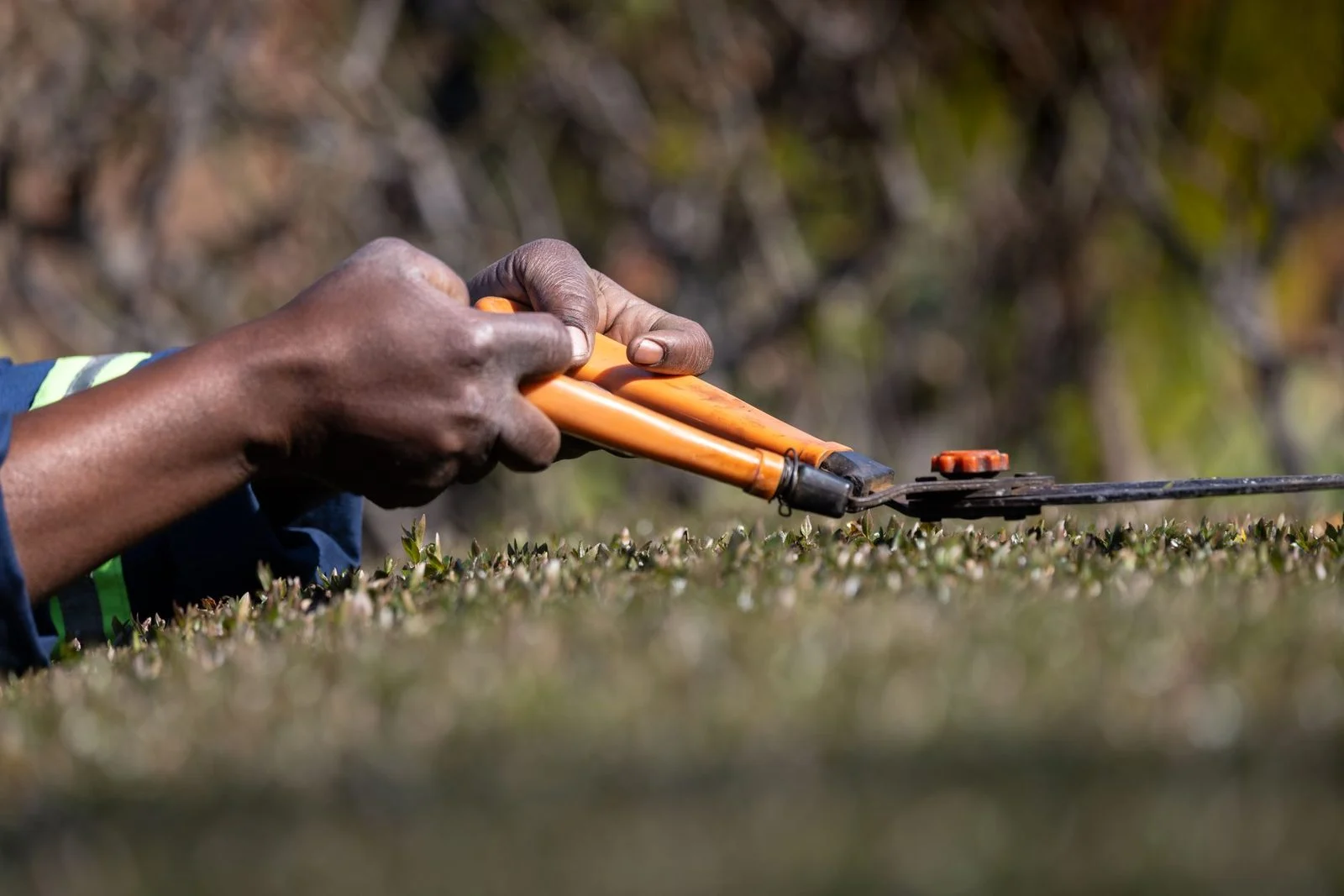
On shrubs, the crew should remove dead or broken branches. It should also cut back growth that blocks lights, signage, or sightlines. Proper cuts keep the grounds looking tidy and make the plant easier to maintain.
A simple rule helps the crew work the same way on every visit. A frond that is brown, broken, or hanging low over a path usually comes off. A green frond in good position usually stays. Write that rule into the scope so each visit does not depend on one person’s judgment that day.
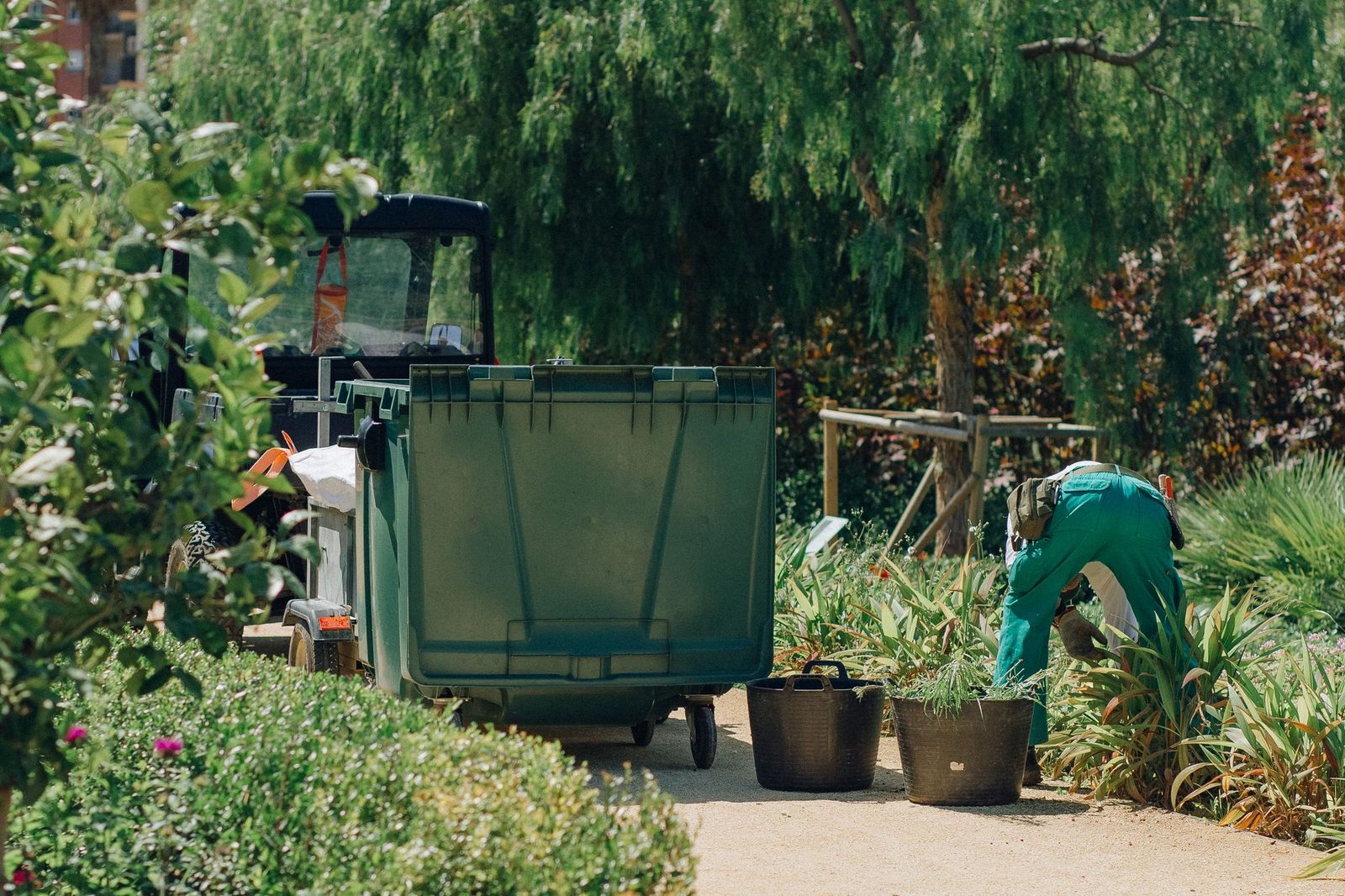
Haul-away is a scope item too. Say who loads the cuttings, who hauls them, and where the debris goes. The area should be left clean and safe for tenants before the crew leaves.
Storm Season and Pre-Storm Trimming Planning
Plan a pre-storm trim before Florida’s storm season begins. Loose fronds and dead limbs can turn into flying debris in high winds. A storm-prep trim can reduce that risk on a property. The SFWMD StormWise landscapes guidance includes trimming shrubs and removing dead or hazardous limbs in its hurricane-season steps for commercial landscapes.
Set the storm-prep visit on the calendar early. Waiting until a storm is in the forecast leaves crews busy and property managers rushed. Use the site map to find the palms and shrubs with the most dead material, and treat those first.
The Florida Division of Emergency Management recommends that a business keep an emergency plan and a disaster-supply kit with supplies for at least seven days. Your landscape plan should fit inside that emergency plan.
After a storm, damaged trees need careful handling. For general storm preparedness information, see the Palm Beach Gardens hurricane preparedness page. Agree in advance on how post-storm cleanup will be requested, who approves it, and how fast it will be scheduled.
Not sure what your next step is?
Talk it through with our team — the first consultation is free, confidential, and carries no obligation.
Scheduling Around Tenants, Parking, and Pedestrian Areas
Schedule trimming outside peak tenant hours. Pick times when parking and walkways can be closed or blocked off safely. A crew working overhead near a busy entrance needs clear space and a safe work zone.
Build a site map before the first visit. Mark every palm, each shrub group, and each high-traffic zone, such as entrances, loading areas, and parking rows. The property team and the crew can then work from the same plan on every visit. The map also shows where cones, signs, or parking closures are needed.
Plan the handoffs too. A trim can leave debris on walkways, and dirt from the grounds can track onto lobby floors. Coordinate trimming with cleaning and pressure-washing work so entrances are ready for tenants when the crew finishes. Our South Florida service area page describes how we serve the region.
What to Put in Writing When You Work With Us
A written scope should cover visit frequency by area, the palm and shrub list, removal and haul-away terms, storm-response terms, and the insurance information the property asks for. Those items turn a general promise into a plan you can check.
When you review a quote from us, read it line by line. Our team can walk you through the details of your landscape maintenance plan and answer any questions you have. Contact us to schedule a free, confidential first consultation with no obligation to continue.
Ask about training. The UF IFAS Green Industries Best Management Practices program offers training for landscape professionals on fertilizing, irrigation, and protecting water quality. A property can ask our team how its crews are trained.
Once a provider is chosen, the onboarding steps matter. The landscape vendor onboarding guide covers what to set up after selection.
Talk Through Your Property’s Trimming Schedule With Our Team
If palms near your entrance have grown out of shape, or shrubs are blocking a driveway’s view, a written trimming plan can help. The same goes for a schedule that has not changed since before last storm season. These are the moments when a clear plan matters most.
Our team can review your site with you, look over the palms and shrubs, and talk through a trimming schedule for the property. You can reach us through the contact form, by phone, or by requesting a quote.
La consulta inicial es gratuita, confidencial y sin compromiso de continuar.
Frequently Asked Questions
How often should palm trees on a commercial property be trimmed in South Florida?
Most commercial palms in South Florida are trimmed every few months, though the right interval depends on the palm species, its growth rate, and local weather. Our team can assess your property and recommend a schedule that fits your site.
Does palm trimming timing matter during hurricane season?
Yes. Hurricane season runs from June 1 to November 30, and dead or overgrown fronds can become windborne debris in strong winds, so trimming before the season starts is a common safety step. Contact our team to plan trimming around your property’s needs.
How do we set a palm trimming schedule for a commercial property?
A schedule usually considers the palm species, how fast the palms grow, nearby walkways and parking areas, and any safety or appearance standards your property must meet. Our first consultation is free, confidential, and carries no obligation to continue, so you can discuss your property’s needs with our team.
Can palm trimming be included in an ongoing landscape maintenance plan?
Yes, palm trimming can be scheduled as part of a recurring landscape maintenance plan so that timing, debris removal, and inspections stay consistent. To find out how this would work for your property, contact our team to request a free quote.
How We Plan Your Trimming Schedule
Site-Specific Assessment
We walk your property and note each palm and shrub, its condition, and how it fits into your grounds.
Timing Built Around Your Operations
We coordinate visits so tenants, customers, and staff experience minimal disruption.
Recommendations You Can Follow
Our team explains what we recommend and why, so you can plan with confidence.
A Written Schedule
You receive a clear calendar of recurring trims, so your budget and property managers stay aligned.
Plan Ahead for Storm Season
Talk with us before severe weather arrives. Coordinating trims in advance helps keep trees and shrubs in good shape and reduces last-minute demands on your grounds.
What Shapes Your Trimming Schedule
Palm Species
Different palm types grow at different rates and need different care, which directly affects how often they should be trimmed.
Growth Rate
Fast-growing shrubs and palms need more frequent attention to stay neat, safe, and within their space.
Local Weather
South Florida's heat, rain, and seasonal storms all influence when and how often trimming is best scheduled.
Property Traffic
High-visibility entrances, walkways, and parking areas may require a tighter maintenance rhythm than quieter areas.
Ready to build a trimming schedule for your property?
The first consultation is free, confidential, and carries no obligation to continue.