
Miami | Day Porter Service
Milestone Inspection in Miami: What Could Change for Your Day Porter Service?
An inspection doesn't change your daily service on its own. Here's how day porter hours, floor care, and exterior work can be reviewed and adjusted with your building's schedule.
By Ryan Jurney · Published November 3, 2026
A milestone inspection does not, by itself, change day porter hours or tasks. It is a structural safety review that Florida law requires for certain older condominium and cooperative buildings. Whether a day porter’s schedule shifts depends on the written service agreement and how the inspection is planned. Boards in Miami-Dade ask the milestone inspection day porter Miami question for a clear reason. The inspection can bring people, closures, and dust into shared spaces. Here is what to expect, and what to get in writing first.
What a Milestone Inspection Is and Why Miami Buildings Get One
A milestone inspection is a structural check of a building that Florida law requires for qualifying buildings. Fla. Stat. § 553.899 defines it as an inspection of load-bearing elements and primary structural members and systems. A licensed architect or engineer performs it. The goal is to attest to the life safety and adequacy of the building’s structure. It also identifies any needed maintenance, repair, or replacement of structural parts. The statute says the inspection is not meant to check compliance with the Florida Building Code or the firesafety code. A team of professionals can provide the services, but an architect or engineer stays in charge. Every report is signed and sealed by the qualified team member who prepared it. The inspection is a separate process from janitorial work, and it does not set day porter hours.

Not sure what your next step is?
Talk it through with our team — the first consultation is free, confidential, and carries no obligation.
Which Buildings Must Have One Under Florida Law
Start by pulling the certificate of occupancy date. That date sets the timeline your day porter schedule has to fit around. For more on the service itself, see day porter service in Miami-Dade.
What a Day Porter Covers on a Normal Day
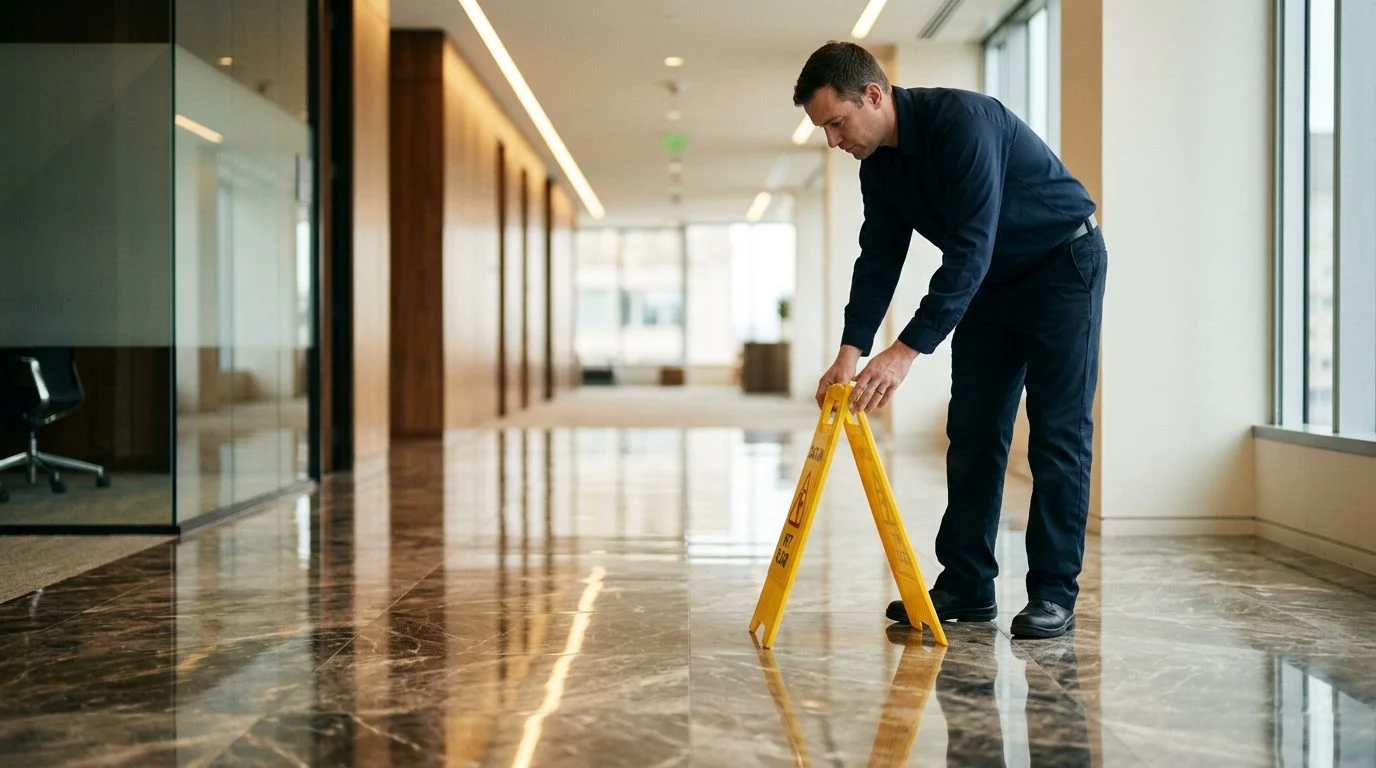
A day porter keeps common areas clean and presentable during the day. Typical tasks include sweeping and mopping floors, vacuuming, emptying trash and recycling, checking restrooms, and spot cleaning high-traffic areas like lobbies. The service agreement defines the exact tasks and hours. That written baseline matters most, because any inspection-related change is measured against it. Floor work also carries a safety side. A spill in a lobby can change a porter’s route on short notice. Cleaning crews also handle chemicals.
Where a Milestone Inspection Can Touch the Day Porter Schedule
The inspection can affect the day porter schedule through access, closures, and debris. Inspectors may need to walk common areas, stairwells, garages, roofs, or mechanical rooms. Some areas may close during testing, and lobbies or elevators may be briefly affected. Testing can also disturb spaces the porter cleans on a regular basis. The statute allows phase two testing, which may be destructive or nondestructive. A phase two inspection is required if phase one finds substantial structural deterioration. The inspector must give preference to locations that are the least disruptive and most easily repairable while still representing the structure. Dust and debris from testing or repairs can add sweeping, mopping, and trash removal. Whether hours or tasks change depends on how the work is scheduled and what the written agreement says about added or altered work.
Have questions about what happened?
Ask our team directly. The first conversation is free, confidential, and there is no obligation to continue.
Questions to Put in Writing Before the Inspection Starts
Ask for key details before any work begins, and get each answer in writing. Ask the inspector or engineer for the expected dates and the areas they need to access. Ask whether the testing will create dust or debris. Ask the cleaning provider whether hours, tasks, or coverage will change during the inspection window. Ask whether extra cleanup is included or billed separately. Name one person who coordinates access. That person should also be told when an area must close. Confirm the terms for added or temporary services in the signed agreement before work starts. Verbal changes are hard to prove later. A dated written reply protects the board and the porter alike.
Planning the Schedule Around the Inspection and Any Repairs
Build one shared calendar so cleaning follows the work instead of colliding with it. Put the inspector’s visits, any repair contractors, and the porter’s route on the same calendar. Schedule heavy cleanup after testing days and repair days, not during them. Repairs can follow the inspection report, so keep the calendar open for that phase. Send residents a short written notice about closed areas and expected cleanup times. Clear notice cuts down on questions in the lobby. The ISSA Cleaning Industry Management Standard addresses service quality, staffing, and green cleaning practices for commercial cleaning organizations. That gives boards a shared set of topics to cover when they plan coverage.
Talk Through Your Building’s Situation with Gator Protection
A milestone notice can arrive with little warning. Board members and owners may be handling it alongside many other building matters. If that sounds like your situation, you don’t have to sort out day porter coverage alone. Contact Gator Protection, Inc. to talk through your building’s day porter coverage and inspection timing. Our first consultation is free, confidential, and comes with no obligation to continue.
Common Questions
Does a milestone inspection change day porter hours?
Not by itself. The written service agreement and the inspection schedule decide whether hours or tasks change.
Which buildings need a milestone inspection in Florida?
Florida law covers residential condominium and cooperative buildings that are three habitable stories or more in height.
Who performs a milestone inspection?
A licensed architect or engineer performs it, and a team of professionals may assist under that person’s responsibility.
Is phase two always required?
No. Phase two is required only if phase one finds substantial structural deterioration.
Want to know where you stand?
Tell us what happened and our team will walk you through the options available to you, at no cost.
How We Help Buildings Plan Ahead
Review the Service Agreement
We start by reading your current written service agreement so you know exactly which tasks and hours are covered today.
Align With the Inspection Schedule
We work with your building's inspection timeline so staffing and service changes are planned, not rushed.
Support Staff Who Follow Through
Our team coordinates assistants and office staff to keep day porter coverage consistent during any transition.
South Florida Focus
We provide commercial janitorial and landscape maintenance across Miami-Dade, Broward, and Palm Beach counties, including South Beach, Coral Gables, and Brickell.
Don't Assume Your Schedule Has Changed
Before making any change to hours or tasks, review your written service agreement and confirm the inspection schedule. Changes should be documented in writing.
Services That May Need a Review
Day Porter Hours
Coverage times and on-site presence can be adjusted if inspection work affects common areas or access.
Floor Care Maintenance
Cleaning and floor care timing may shift around repairs, so we plan around the building's active work areas.
Landscape Services
Exterior grounds maintenance can be rescheduled when inspection access or repair zones limit routine work.
Pressure Washing
Exterior washing can be timed to follow inspection and repair work, keeping surfaces and walkways clean.
Get a Free, Confidential First Consultation
Related practice areas
- Emergency Day Porter Coverage Miami | Gator Protection
- Pressure Washing Services for Condos Miami-Dade