
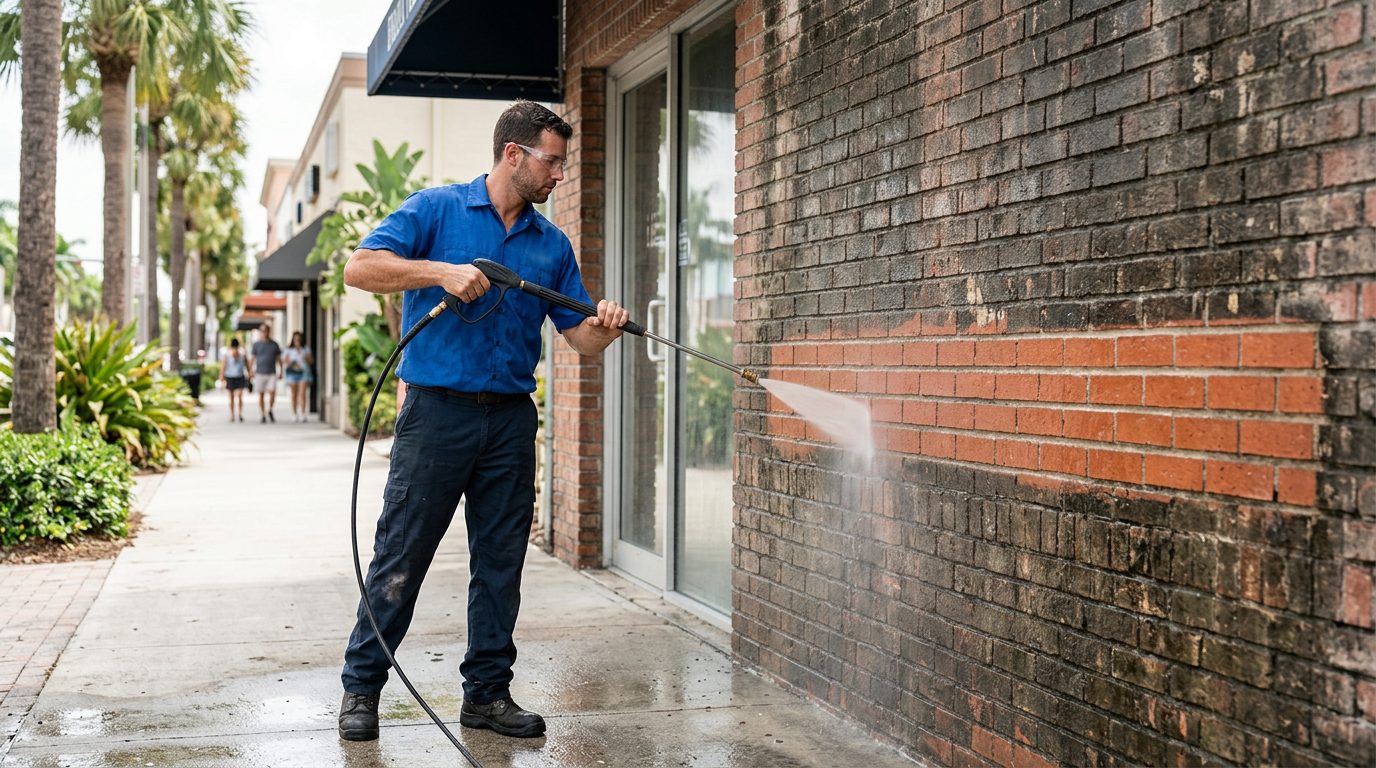
Pressure Washing | South Florida
Pressure Washing in South Florida: Knowing When to Skip It
A stronger stream is not always a better clean. Learn which surfaces and weather conditions call for waiting, and when to bring in our team.
Working With Gator Protection
Free
First consultation, confidential and with no obligation
South Florida
Miami-Dade, Broward, and Palm Beach counties
4
Services: day porter, floor care, landscape, and pressure washing
By Ryan Jurney · Published November 7, 2026
Is Pressure Washing Always the Right Call for Commercial Properties?
No, power washing isn’t right for every home or every day. When should you not power wash your house? Skip it when the surface is damaged, the paint is loose, the weather is poor, or the material can’t handle a hard spray.
Pressure washing is a cleaning method, not a required step for every property. The right choice depends on what the surface is made of and how well it’s holding up. Many homes need only a gentle wash. Some need repairs before any spray at all.
Mistakes often start with the idea that more pressure means a cleaner house. In practice, a harder spray can cause the damage you were trying to fix.
We offer pressure washing services across South Florida, along with day porter service, floor care maintenance, and landscape services. For the wider picture of day porter and exterior work, see our day porter service guide for Miami-Dade.
This guide covers the surfaces, conditions, and seasons where pressure causes harm. It also explains safer steps to take instead.
If you're weighing a cleaning on a home or building you didn't choose, we're glad to look at the surfaces with you before any work begins. Talk it through with our team — the first consultation is free, confidential, and carries no obligation.
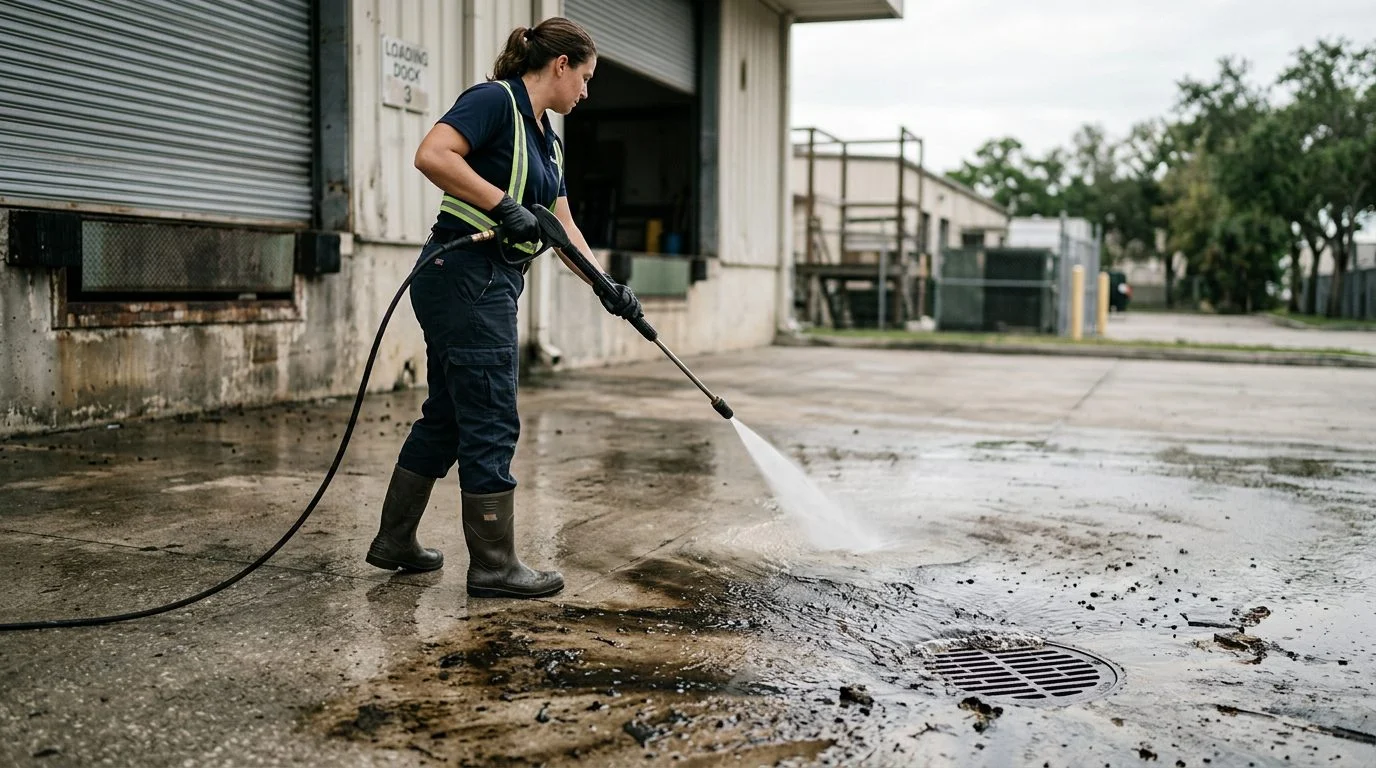
Surfaces That High Pressure Can Damage
Avoid high-pressure washing on vinyl siding, aluminum siding, stucco, painted or stained wood, and soft brick. Each one fails in a different way.
Vinyl and aluminum siding: A strong stream can force water behind the panels. That can lift the edges, crack vinyl, or dent aluminum. Trapped water can cause damage you can’t see right away.
Stucco: Close-range pressure can wear away the finish. It can also push water into hairline cracks, which makes them worse over time.
Painted or stained wood: Pressure can strip paint or stain and raise the grain of the wood. Bare wood takes on moisture more easily, so the damage spreads.
Soft brick and older mortar: A hard spray can wash out mortar joints and chip the face of softer brick. Once mortar is gone, the wall needs repair before it is sound again.
Wood decks raise their own questions about drying time. Read our deck drying guide for that part of the job.
Cracks, Rot, Loose Paint, and Older Paint
Do not pressure wash over cracked stucco, split boards, rotted wood, or failing caulk. Water forced into those spots can worsen the problem.
Loose, flaking, or peeling paint is the next concern. The spray removes paint that is already coming off. It also scatters chips and dust onto plants, walkways, and neighboring property. Stabilize loose paint first, then clean the sound areas.
Older homes can contain lead-based paint. When painted surfaces are disturbed, chips and dust can spread. Treat suspected lead paint with extra caution, and talk it through with us before anyone cleans that surface.
A gentle wash on sound, well-bonded paint is a different situation. The problem starts when the surface is already failing.
The common mistake is treating a damaged surface like a dirty one. Dirt comes off with a gentle wash. Damage does not, and a strong spray can make it worse. Before cleaning, look closely at the paint and wood. Note cracks, soft spots, and flaking, because those details decide what the surface can take.
Weather, Temperature, and Timing
Weather is part of the answer to when should you not power wash your house. Pick dry, mild conditions for the job.
Avoid pressure washing during heavy rain or strong wind. Runoff and spray spread dirt and can reach spots that should stay dry.
Avoid the hottest part of a sunny day. Detergent can dry on the surface and leave streaks or residue. Clean in shade or during cooler hours when you can.
Trapped water can expand and cause damage.
After a storm, inspect first. Look for debris, loose materials, and damaged areas. Pressure can drive grit into weakened surfaces.
A common timing mistake is cleaning on the first nice day after a long wait. A surface that was just soaked by rain or just cooled off needs a look before it gets any spray. Let surfaces dry before you seal or paint them.
Roofs, Windows, Electrical Fixtures, and Openings
Keep high-pressure spray away from roof shingles, windows, and electrical fixtures. These parts are easy to harm with a direct stream.
Roof shingles: Pressure can strip granules and shorten the life of asphalt shingles. Roof cleaning uses different methods, so a standard pressure wash should not be used across the main roof field.
Windows and seals: Pressure can force water past weatherstripping and into the frame. Older or damaged glass can crack under a hard spray.
Outlets, light fixtures, vents, and wall equipment: Keep the spray away from them. Water can enter openings and create a shock or short-circuit risk.
Gutters and downspouts: Pressure can loosen fasteners or bend thin metal. Clear debris by hand where you can.
Landscaping: Harsh runoff and concentrated detergent can stress plants. Cover or protect beds and sensitive plants before cleaning starts.
A quick walk-around before cleaning shows which spots need protection. Protecting these areas takes planning before the spray starts, not repair afterward.
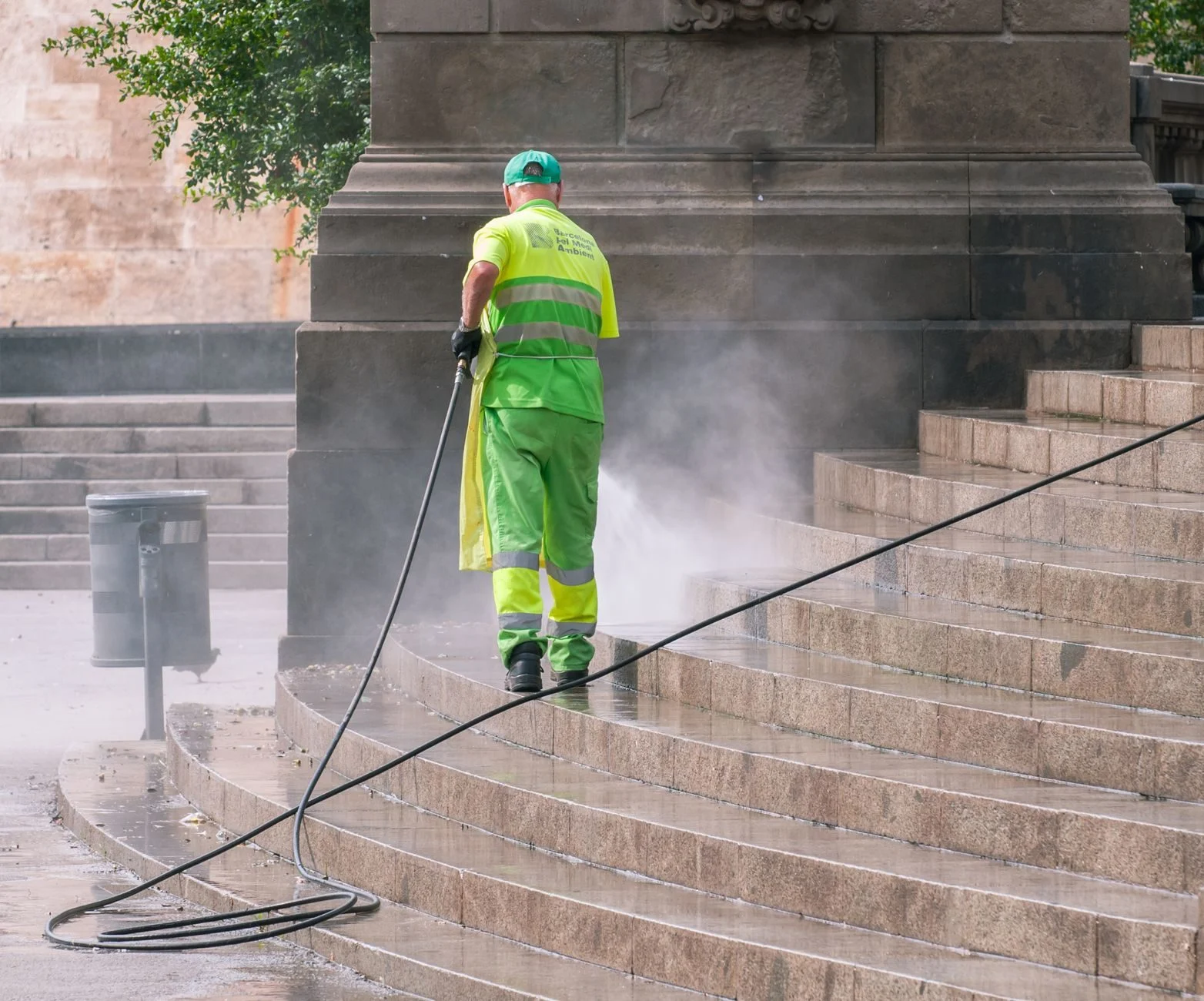
Safer Options and Your Next Step
The right method depends on the surface and its condition. Lower-pressure, surface-appropriate methods suit delicate materials better than a hard spray.
Start by photographing the surface, including cracks, loose paint, and any damage. Photos give everyone the same starting point and show what was there before work began.
A written scope of work helps too. Organized maintenance programs and checklists can help you define what a vendor is responsible for.
You may be deciding for a family home, a rental, a condo building, or a property you inherited. The choice may not be yours alone, and that’s normal.
Quick Answers
When should you not power wash your house?
Skip it when surfaces are cracked, rotted, or have loose paint, or when rain, wind, freezing, or a recent storm is in the forecast.
Can pressure washing damage vinyl siding?
Yes. A strong stream can force water behind the panels and lift or crack the edges.
Is it safe to spray near outlets and light fixtures?
Keep the spray well away from them, because water can enter openings and create a shock risk.
If you’re weighing a cleaning job on a property you didn’t choose, reach out through our contact form for a free first consultation. It’s confidential and carries no obligation to continue, and we can look at the specific surfaces with you before anything is scheduled.
Surfaces and Conditions to Skip
Cracked or Rotted Wood
High-pressure water can push into damaged boards, widen cracks, and cause further breakdown. Repair the damage first, then clean.
Loose or Peeling Paint
A strong stream can strip away paint that is already lifting, leaving bare surfaces that are harder to restore.
Vinyl Siding and Delicate Finishes
Force can drive water behind panels and lift or crack edges. Softer methods are often the safer choice for these materials.
Rain, Wind, Freezing, or a Recent Storm
Wet or unstable conditions make results uneven and can leave water in places it should not reach. Wait for a dry, calm window.
Key Warning
If a surface is cracked, rotted, or peeling, stop before you start. Pressure washing a damaged area can cause harm that costs more to fix than the cleaning was worth.
Why Property Managers and Owners Call Us
Scheduled Around Your Operations
We plan pressure washing visits so they fit your building's hours and foot traffic.
Surface-Aware Approach
Our team checks the condition of each surface and recommends waiting when conditions call for it.
Coordinated Maintenance
Pressure washing can be scheduled alongside landscape, floor care, and day porter service.
Free First Consultation
Talk with us about your property. The first consultation is confidential and comes with no obligation to continue.
Not Sure Whether Your Surface Is Ready to Clean?
Related practice areas
- In-House Building Porter vs. Contracted Day Porter for a Miami Condo: Cost, Control and Coverage
- Day Porter Coverage for Miami Beach Condos With Short-Term Rental Guest Turnover
- How Much to Pressure Wash a Pool Deck in South Florida