
Floor Care Maintenance · South Florida
Are Polished Concrete Floors Expensive? A Practical Guide for South Florida Properties
Upfront cost is only part of the picture. Here is how to think about polishing, upkeep, and long-term value for commercial floors in Miami-Dade, Broward, and Palm Beach counties.
By Ryan Jurney · Published November 25, 2026
A dull, scratched, or stained concrete floor often arrives with a budget question attached. So, are polished concrete floors expensive? The honest answer is that the price depends on the slab you already have, not on a flat rate. Polishing can cost less than replacing a floor, but the total changes with the job.
Short answer: what polished concrete usually costs
Polished concrete has no single price. Each job is priced from the existing slab, the area to treat, and the shine you want.
Polishing an existing slab is usually quoted by the square foot. That makes floor size one of the biggest factors in the total. A large lobby and a small storefront will land far apart, even with the same finish.
This guide covers polishing and caring for a concrete slab that’s already in place. Pouring a brand-new slab is a construction job with its own costs, so it sits outside this discussion. If you manage a building, your next step is usually a clear look at the floor you have now.
If a worn or stained floor in your building has you weighing a budget decision, we can talk through your floor and your options with you. Talk it through with our team — the first consultation is free, confidential, and carries no obligation.
What drives the cost of polishing an existing concrete floor
The biggest drivers are the slab’s starting condition, the floor’s size and layout, and the finish level you choose.
Starting condition. Cracks, pitting, old coatings, adhesive residue, and deep scratches all add prep work. Each one means more grinding passes before polishing can begin.
Size and layout. Open floors are efficient to work. Columns, corners, and tight spaces slow a crew down, and that labor shows up in the quote.
Target sheen. A higher gloss needs more polishing steps with finer grits. Each step adds time and labor.
Existing sealers or coatings. If an old coating has to come off first, that removal is its own line item.
Access and timing. Many South Florida buildings stay open during business hours. Working around those hours adds scheduling work.
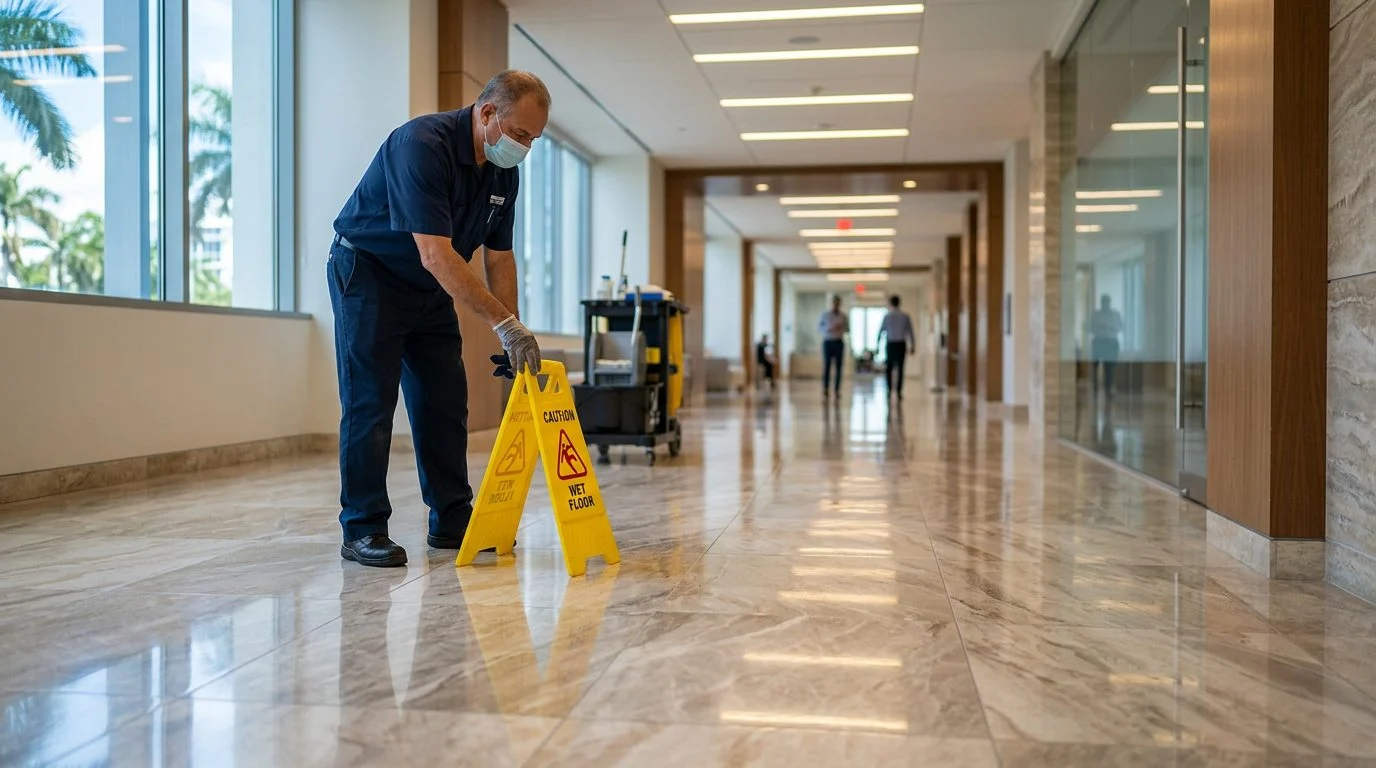
Sheen also affects safety. A high-gloss floor is smooth, and the OSHA slips and falls handout notes that smooth or newly waxed surfaces increase slip risk. Choosing a sheen is partly a safety choice.
How much does it cost to polish an existing concrete floor?
A written estimate after a site walkthrough gives the most reliable number. Quotes are built from the square footage and the work the slab needs. A general average can’t see your floor.
Most jobs follow the same sequence:
- Assessment of the slab’s condition.
- Grinding to level the surface and open its pores.
- Densifying to harden the concrete.
- Polishing passes, moving from coarser grits to finer ones.
- Sealing to protect the finish.
Each step has labor and materials behind it, so a good quote shows where the money goes.
A sound slab in good structural shape usually needs less preparation than a damaged one. The common mistake is pricing from an average and skipping the floor you actually have.
Is polished concrete more expensive than tile, vinyl, or laminate?
Polishing an existing slab is often a cost-effective option when the slab is sound. The surface is reworked instead of replaced. Full replacement adds removal, subfloor work, and downtime while the space is out of use.
Tile needs grout maintenance, and grout lines can stain and wear over time. Vinyl and laminate can wear at seams and edges. A polished slab has no grout lines to scrub, though its existing joints still need care.
Compare the total cost over the life of the floor, not just the first invoice. A cheaper install can cost more later if it needs frequent repair or replacement.
Long-term costs: maintenance, durability, and wear
Routine care keeps the sheen up and lowers the need for deeper restoration later. Most of the long-term budget lives in that routine.
Regular care includes:
- Dust mopping, which removes grit that can scratch the surface.
- Neutral-pH cleaning, which is gentler on the finish than harsh cleaners.
- Periodic burnishing to bring back shine between deeper restorations.
- Sealer maintenance and recoating on the schedule the sealer requires.
Chemical choices matter too. The EPA Safer Choice product list identifies floor-finish and floor-cleaning products that meet its certification criteria. The EPA guidance on cleaning chemicals supports safer products and using disinfectants according to label directions.
Spills need quick cleanup.
Planning a polished concrete budget for your property
Start with four facts: the area, the slab’s condition, the finish you want, and the upkeep your building can keep up with.
Measure the floor and note cracks, stains, and old coatings. Decide between a softer satin look and a high gloss, since higher gloss means more polishing steps and more attention to slip risk. List the maintenance you can keep up on a schedule that fits occupied hours. Build the budget around that list, not around a single number.
Can polished concrete floors stain?
Spills can mark polished concrete if they sit, so quick cleanup helps protect the finish.
Is polished concrete cheaper than tile over time?
It can be, when the slab is sound, because you avoid replacing the floor and skip grout upkeep. Compare full lifetime costs, not only the first quote.
Do polished concrete floors get slippery?
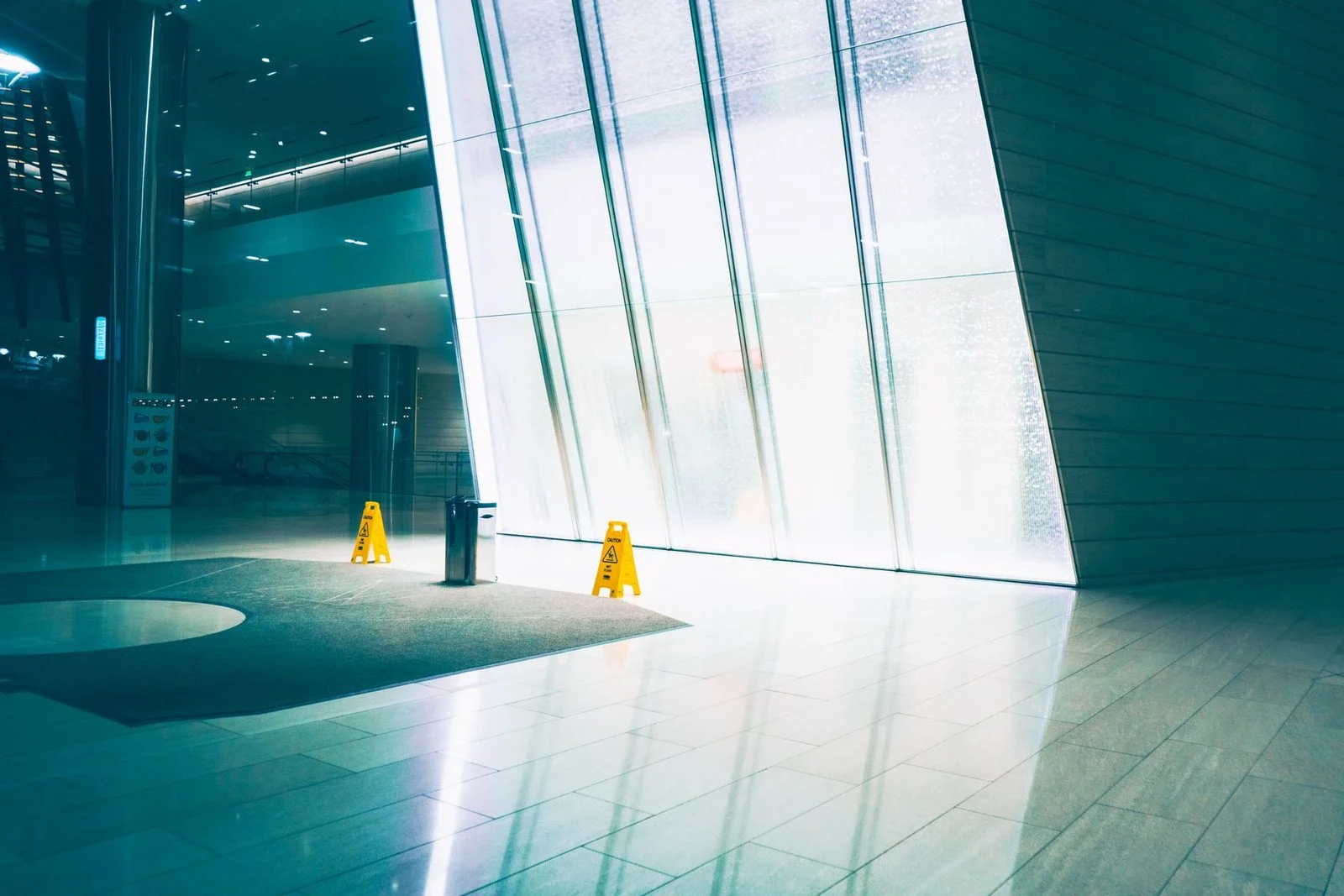
A smooth, high-gloss surface can raise slip risk, especially when it’s wet. Clean spills right away.
If a worn or stained floor in your building has you weighing a budget decision, you don’t have to work out the numbers alone. Gator Protection provides floor care maintenance across South Florida, including Miami-Dade, Broward, and Palm Beach counties. Your first consultation is free, confidential, and comes with no obligation to continue. You can request a quote and we’ll talk through your floor with you.
Factors That Often Shape Polished Concrete Costs
Slab condition
A sound, level slab usually needs less preparation than one with cracks, coatings, or uneven areas.
Size and traffic
Large open spaces and heavy foot traffic can change how often a floor needs care and how the finish holds up.
Finish level
Floors can be polished to different sheens and densities, and the chosen finish influences both the look and the upkeep.
Maintenance routine
Regular cleaning and periodic refreshing typically cost less than waiting until the finish has worn down.
What to Weigh Beyond the First Quote
Compare lifetime cost
Consider the expense of cleaning, refreshing, and repairing the floor over the years, not just the initial work.
Protect the finish
Prompt cleanup of spills and grit helps keep polished concrete looking its best between service visits.
Plan around operations
Scheduling care during off-hours or quiet periods keeps your business running while floors are maintained.
Watch for Spills and Grit
Spills left sitting and abrasive dirt tracked across polished concrete can mark or dull the surface. Quick cleanup is one of the simplest ways to protect the finish.
Your first consultation is free, confidential, and carries no obligation to continue.
More of our services
- Floor Care Maintenance for Miami-Dade Condos, Apartments and Gated Communities
- Retail Store Floor Burnishing in Palm Beach County
- Most Cost-Effective Way to Refinish a Concrete Floor?