
Floor Care Maintenance · South Florida
Dull or Yellowing Vinyl Floors? Here's What South Florida Humidity Is Doing to Your Finish
Commercial floors take a beating in our climate, and the finish often shows it first. Learn the most common reasons it loses its shine and what a maintenance plan can do about it.
By Ryan Jurney · Published November 25, 2026
Why Vinyl Floor Finish Dulls or Yellows in South Florida Humidity?
If the vinyl floors in your building look dingy, amber, or streaky, you probably want to know the cause before anyone agrees on a fix. Floor finish yellowing in South Florida humidity usually comes from several causes working together. Humidity slows how finish dries and cures, can trap moisture inside the film, and can leave a tacky surface that pulls in soil.
Residue, cleaning habits, sunlight, and an aging finish can produce the same look. This guide explains each cause in plain terms and shows how to tell yellowing, haze, and wear apart.
If you're responsible for a dull or yellowed vinyl floor you didn't choose, our team can talk through what you're seeing, so reach out through our contact form. Talk it through with our team — the first consultation is free, confidential, and carries no obligation.
What Yellowing and Dullness Look Like on Commercial Vinyl Floors
Yellowing, haze, and dullness are three different problems that often look alike at first. Learning to tell them apart is the first useful step. Yellowing shows as an amber or yellow cast, most visible in lighter areas. Haze looks cloudy or milky, as if a film sits on top of the shine. Dullness looks flat or streaky, with a sheen that no longer reflects light evenly.
Finish is a clear protective layer applied over the vinyl. It takes the daily wear, so changes in the finish are usually what people notice first. The vinyl underneath may be fine. Staff often blame the flooring when the problem sits in the coating.
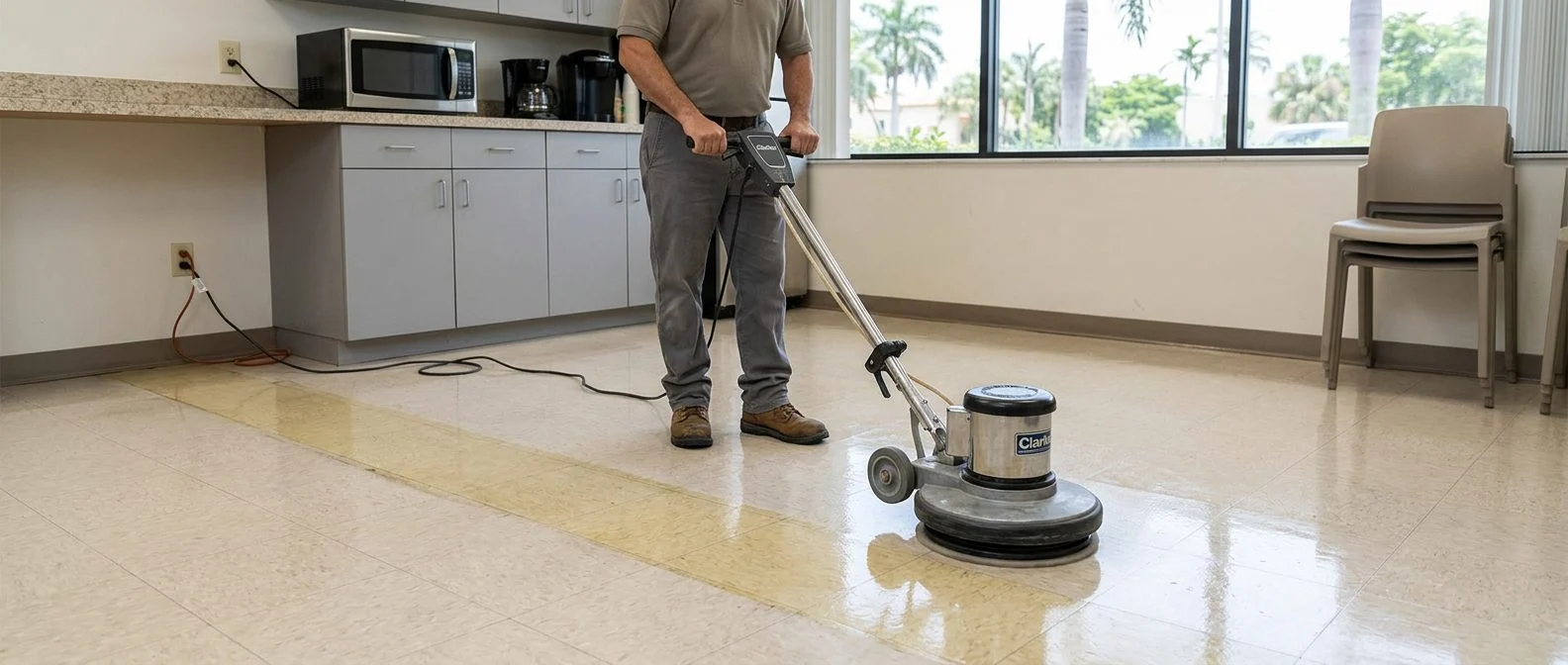
Location matters. Entrances, areas under windows, and walkways often look worse than the rest of the room. Traffic lanes may show uneven shine, with a dull path running from the door toward the restrooms. Those patterns are clues. A uniform cast across the whole room points to a different cause than a worn path.
How Humidity Affects Floor Finish
Humidity mainly affects floor finish by slowing how it dries and cures. Finish hardens as water and solvents evaporate from the film. When the air already holds a lot of moisture, that evaporation slows, and the finish takes longer to set.
Slow drying can leave the finish cloudy, hazy, or soft. A film that has not cured fully can also pick up marks from carts and furniture. Moisture can get trapped under or inside the film, especially when it goes down thickly or the air stays still and humid. Trapped moisture often shows as a milky look that does not lift with buffing.
High humidity also changes how the surface feels. A floor can stay slightly tacky longer than expected. Tacky film grabs dust, grit, and dirt from foot traffic. Once soil is embedded, the floor looks dull even after mopping. A floor that still feels sticky a day after cleaning needs attention, not just more mopping.
Why South Florida Conditions Make Finish Problems Worse
South Florida’s warm, humid climate gives finish more reasons to stay damp and sticky. Frequent rain, humid outdoor air, and warm weather all add moisture to a building. The problem often starts at the doors. Humid air enters through entrances, loading areas, and open dock doors, then settles onto freshly cleaned floors.
Air conditioning adds another layer. When cooled air meets cooler floor surfaces, moisture can condense on them. That moisture can linger after cleaning and slow drying, especially where air barely moves. Systems that cycle on and off through the day can shift conditions more than people expect.
Heavy foot traffic makes it worse. Lobbies, retail floors, restaurants, and office corridors carry grit, food residue, and street dirt inside. In humid conditions, that soil sticks to a tacky film more readily. Busy spaces need more frequent cleaning, and each cleaning can add a thin layer of residue if the routine is not managed.
Residue Buildup and Cleaning Products as Common Causes
Residue buildup and the cleaning routine are among the most common causes of a dull or yellowed floor. Finish is meant to be stripped and recoated on a planned schedule. A floor that gets extra coats or is cleaned with the wrong product can lose its clear look.
Repeated layers of finish, detergent residue, and dirt can build up in the film over time. The layers trap soil and can take on a yellow cast. Using too much concentrate, which means too little water in the mop bucket, can leave a residue that attracts dirt, so the floor can look dull even right after mopping. Mix to the label, not by guess.
Not every cleaning product works with every finish. Some are not formulated for floor finish and may break down or discolor it. Follow the product label and the manufacturer’s instructions for dilution and use. Safety matters here too. Our team can discuss floor care product options with you during your free first consultation.
Oxidation, Sunlight, and an Aging Finish
An older finish can yellow and dull over time, even when it is cleaned correctly. Finish can oxidize as it ages and stays exposed to air and light. The change often comes on gradually, so staff may not notice it until the floor is compared side by side with a newer section.
Sunlight can speed this in some areas. Floors near windows, skylights, and glass doors take in more light than the rest of the room. If yellowing follows a band along the window line, sunlight deserves a look. Sun is not the cause in every case, so compare the pattern with the rest of the room before deciding.
A finish that has been stripped and recoated many times can look duller even with good cleaning. Each recoat adds a layer, and thick, layered films can cloud or yellow. The age and thickness of the existing finish affect how it responds to cleaning and recoating. A floor with heavy buildup may need stripping before a new coat will look right.
Not sure what your next step is?
Talk it through with our team — the first consultation is free, confidential, and carries no obligation.
Telling Yellowing, Haze, and Wear Apart
You can tell these problems apart by checking where the change appears and whether it wipes off. Start with the pattern across the room. A cast spread evenly over the whole floor points to finish condition, age, or residue. A dull path through traffic lanes points to wear, where foot and cart traffic have worn the coating down.
Next, test the haze. Clean a small section with a neutral cleaner, following the label, and let it dry. If the haze wipes off, buildup or soil is the likely cause. If the cloudiness stays, the finish itself may be breaking down or trapping moisture. Test one small area at a time so you can compare results.
Keep notes as you go. Record the time of day, the weather, when the floor was last cleaned, the product used, and when it was last stripped or recoated. Those details show whether the pattern tracks with humid weather, a cleaning shift, or a recoating date. Several causes can look alike, so a professional assessment can help confirm the source.
Habits That Limit Yellowing and Dullness in Humid Conditions
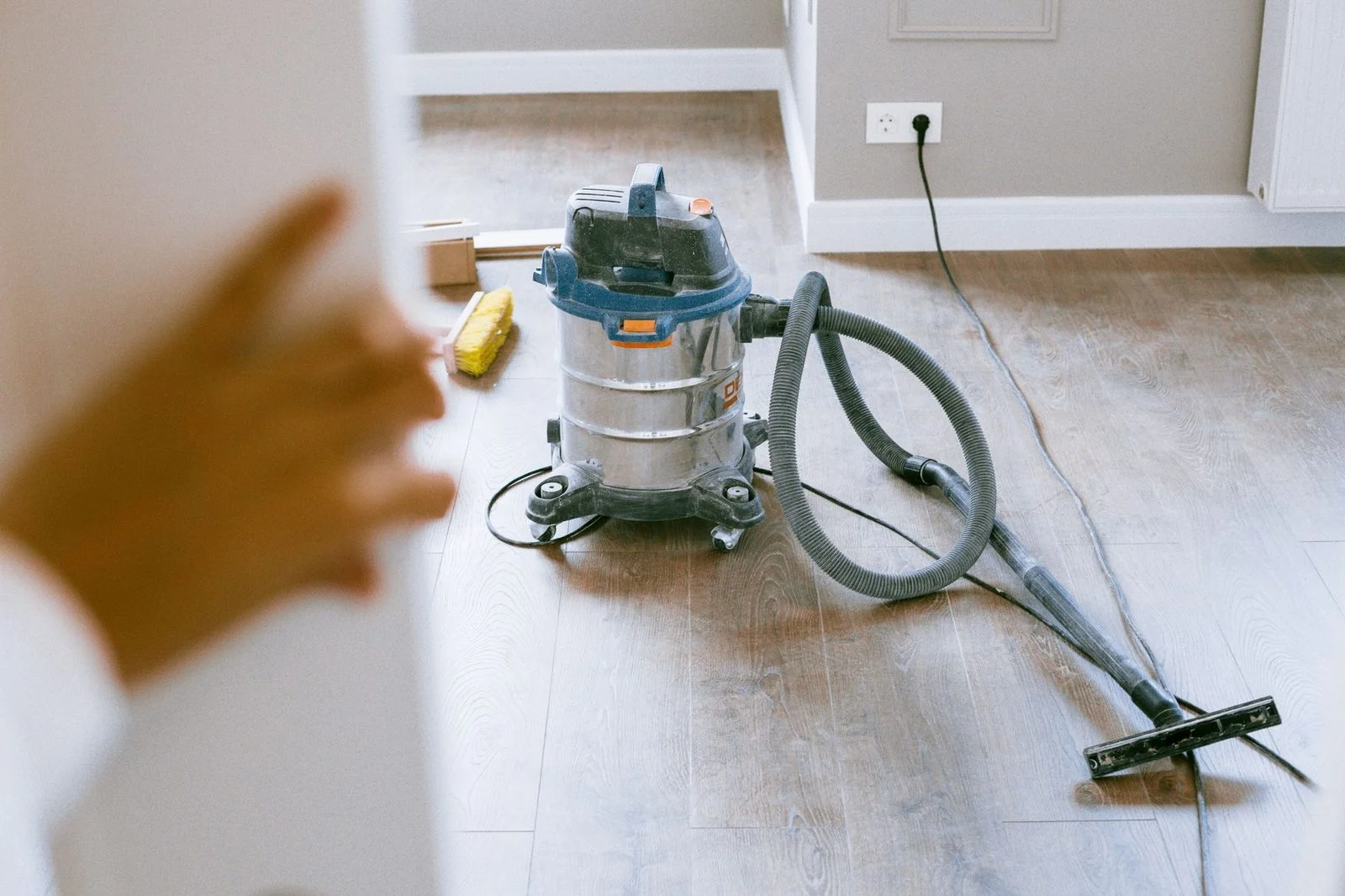
The habits that help most are correct dilution, a neutral finish-compatible cleaner, and controlled water use. Mop with a damp mop, not a soaking one. Excess water and product leave film and moisture behind, and in humid air that water takes longer to evaporate.
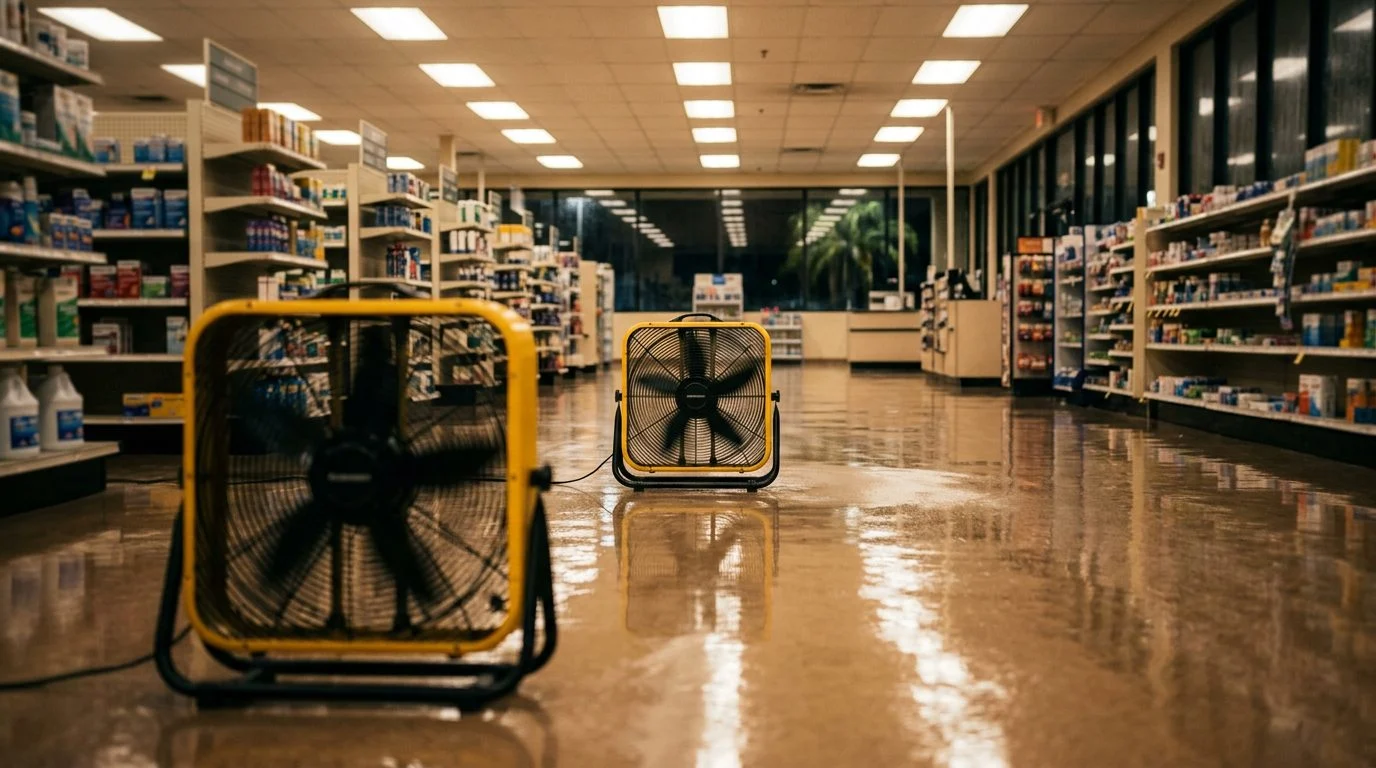
Allow enough drying time after cleaning, and ventilate the area when the building allows it. Where facility systems permit, air movement or dehumidification can help the floor dry. Keep traffic off freshly cleaned floors until they dry, and use wet-floor signs where needed.
Set a regular maintenance schedule. Routine cleaning, periodic buffing, and planned stripping and recoating timed to wear work better than waiting for the floor to look bad. Match the frequency to the traffic in each space, since a lobby needs a different schedule than a back office. Our floor care maintenance service covers stripping, recoating, and buffing.
Finally, keep mop water out of storm drains. The South Florida Water Management District states that polluted runoff entering South Florida storm drains is discharged untreated into connected water bodies.
Bringing a Dull or Yellow Floor to a Professional Assessment
A written record of where and when the discoloration shows up is the most useful first step. This matters most when you are responsible for a floor you did not select or maintain. If the floor came to you from a previous manager, a contractor, or a landlord, the record gives you something concrete to discuss.
Note the locations, the time of day, the weather, the cleaning steps and products used, and the dates of the last stripping and recoating. Take photos in consistent light, from the same spot each time.
An on-site assessment can look at the finish, the cleaning routine, and the traffic patterns in each area. It can test a small section, review the products in use, and compare the affected areas with the rest of the floor. The goal is a clear picture of the cause, so the next step fits the problem.
Why does floor finish turn yellow in South Florida?
Humidity can slow drying and trap moisture, while residue, sunlight, and age can add a yellow cast. Often more than one cause is at work.
Can humidity make floor finish feel sticky?
Yes, high humidity can leave a tacky film that holds dust and soil. That film can make a floor look dull even after mopping.
Can too much floor cleaner cause a dull film?
Using too much concentrate, which means too little water, can leave a residue that attracts dirt. Mix products to the label to avoid this.
If you’re dealing with a dull or yellow floor you did not choose, you don’t have to sort out the cause alone. Reach out to our team through the contact form or by phone to talk through what you’re seeing. La consulta inicial es gratuita, confidencial y sin compromiso de continuar.
How Our Team Approaches Floor Care
Floor Assessment
We look at the surface, the finish buildup, and the traffic patterns in your space before recommending a plan.
Protective Maintenance
Regular cleaning and care help keep residue and grime from settling into the finish and dulling it over time.
Scheduled Service
A consistent maintenance schedule fits around your business hours so your floors stay in good condition without disruption.
Dedicated Support
Our team stays in touch with your facility so questions and concerns are addressed promptly.
Caution: Don't Keep Stacking Finish
Applying extra coats of finish over a dull or sticky surface can trap residue and make yellowing or haziness harder to correct.
Common Causes of Dull or Yellow Vinyl Finish
Humidity and Slow Drying
Moist air slows drying and can leave a tacky film that traps dust and soil.
Residue Buildup
Cleaning products and soil that aren't fully removed can accumulate and cloud the finish.
Sunlight Exposure
Strong sun through windows and doors can gradually change the color and clarity of the finish.
Age and Wear
Over time, high-traffic areas lose their protective layer and show more dullness and discoloration.