
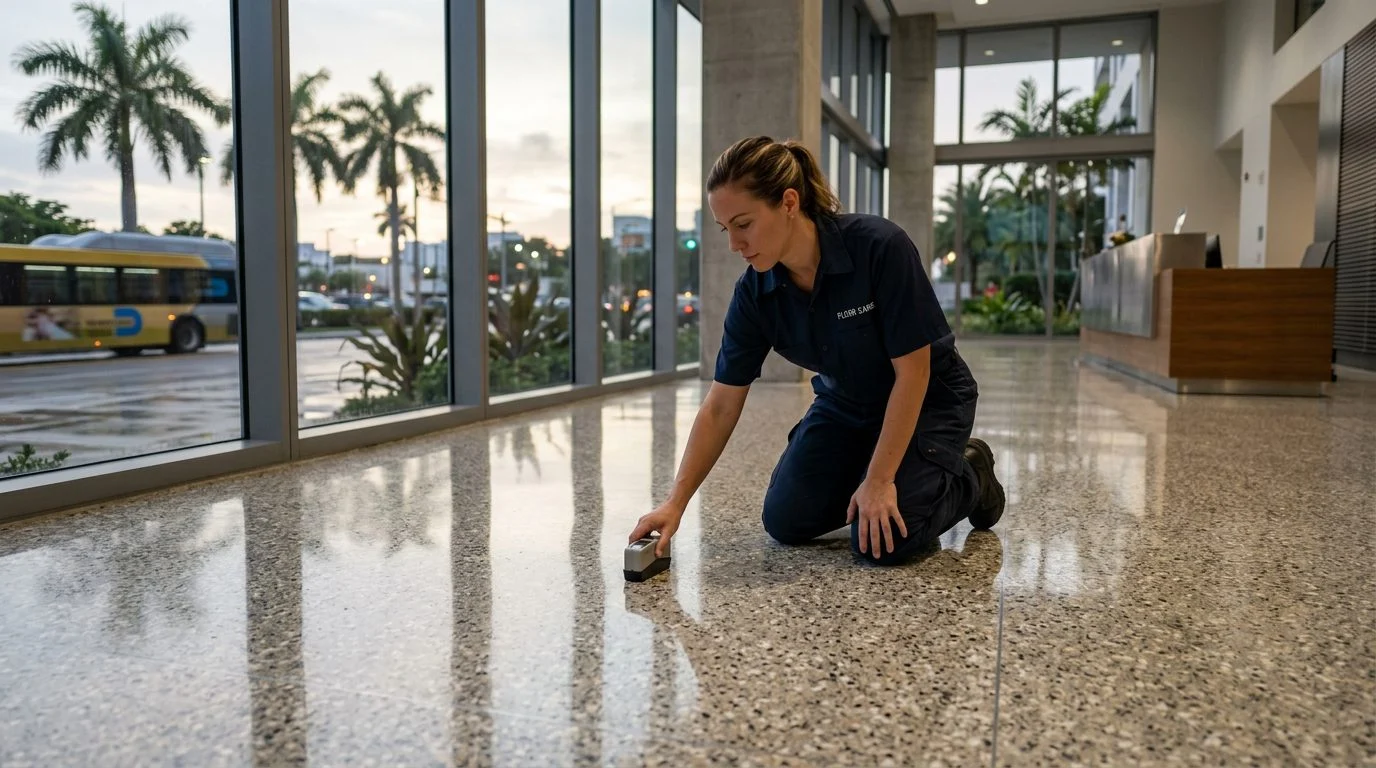
Floor Care Maintenance | South Florida
Keep Your Concrete Floors Protected Between Sealings
Learn how to read the signs that a sealer is tiring and which routine habits help a floor hold up in busy commercial spaces.
By Ryan Jurney · Published November 25, 2026
If you manage a building with a sealed concrete floor, you likely want one plain answer: how long will it last? Sealed concrete lasts a range of time, and that range depends on how the floor is used and cared for.
In South Florida, daily foot traffic, rolling carts, wet entryways, and heat all wear on the surface. This page explains what shortens that range, what the warning signs look like, and what a steady maintenance routine involves.
What a sealed concrete floor is and why the seal wears
A sealed concrete floor has a protective layer over the slab. That layer is the part that wears first.
The sealer is a coating applied to the top of the concrete. It helps guard the surface against moisture, stains, and the grit that feet and carts drag across it. The slab underneath is the structure, and it typically lasts much longer than the seal on top. When people ask how long a sealed floor lasts, they usually mean the seal.
Wear rarely happens evenly. A seal often breaks down first in traffic lanes, at doorways, and in front of entry mats. The middle of the room can still look fine while those spots already show wear. Checking the high-traffic paths first gives you the clearest early warning.
If a floor you manage is starting to look worn before an inspection or a busy season, our team can talk it through with you. Talk it through with our team — the first consultation is free, confidential, and carries no obligation.
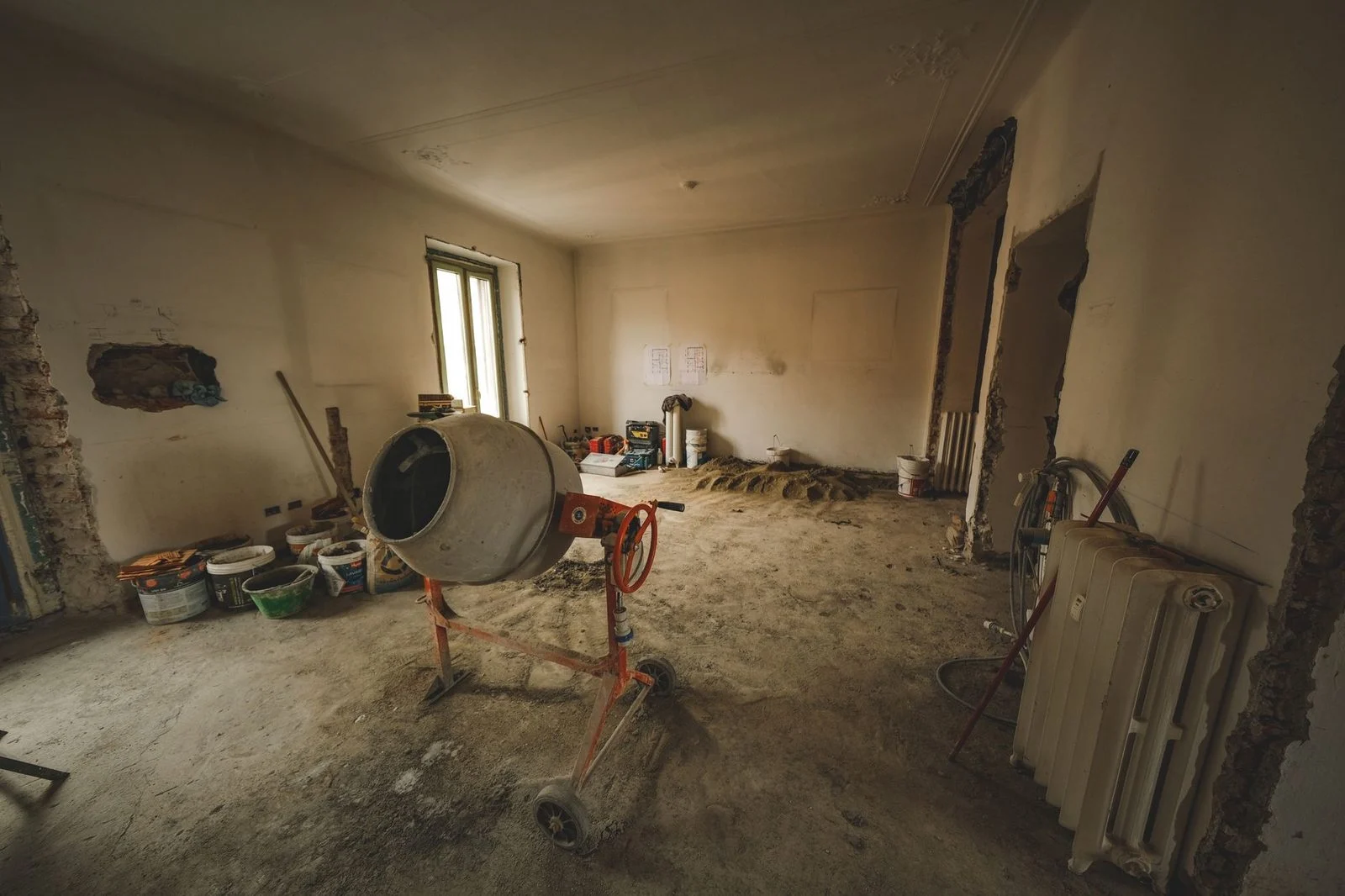
Typical lifespan and the factors that change it
Lifespan is best understood as a range, not a fixed number. No single figure fits every floor.
The range shifts with the sealer type and how well the surface was prepared and coated. Four factors do most of the work.
- Traffic. Foot traffic, rolling carts, and equipment wear a seal faster than light office use.
- Cleaning. Harsh or high-pH cleaners and aggressive scrubbing can break down the surface sooner than gentler, pH-appropriate cleaning.
- Weather and water. South Florida sun, heat, and humidity add stress. Moisture from outdoor doors and pressure washing near the slab edge can work under or around the seal.
- Installation. Surface preparation and application decide how well the sealer bonds to the concrete at the start. A weak bond shortens the seal’s useful life.
Each factor works alone, and they often work together.
Signs a sealed concrete floor is wearing out
The most common signs are dull paths, water that stops beading, and dirt that grinds into the surface.
- Dull or uneven sheen in high-traffic paths, compared with the rest of the floor.
- Water no longer beading, or dark stains where liquids sit briefly.
- Visible scuffs, worn spots, or patches that look lighter or grayer than the surrounding floor.
- Dirt that grinds in and resists routine mopping, which can mean the surface is no longer sealing well.
- Flaking, peeling, or a sticky feel in spots. These call for a closer assessment, not just more cleaning.
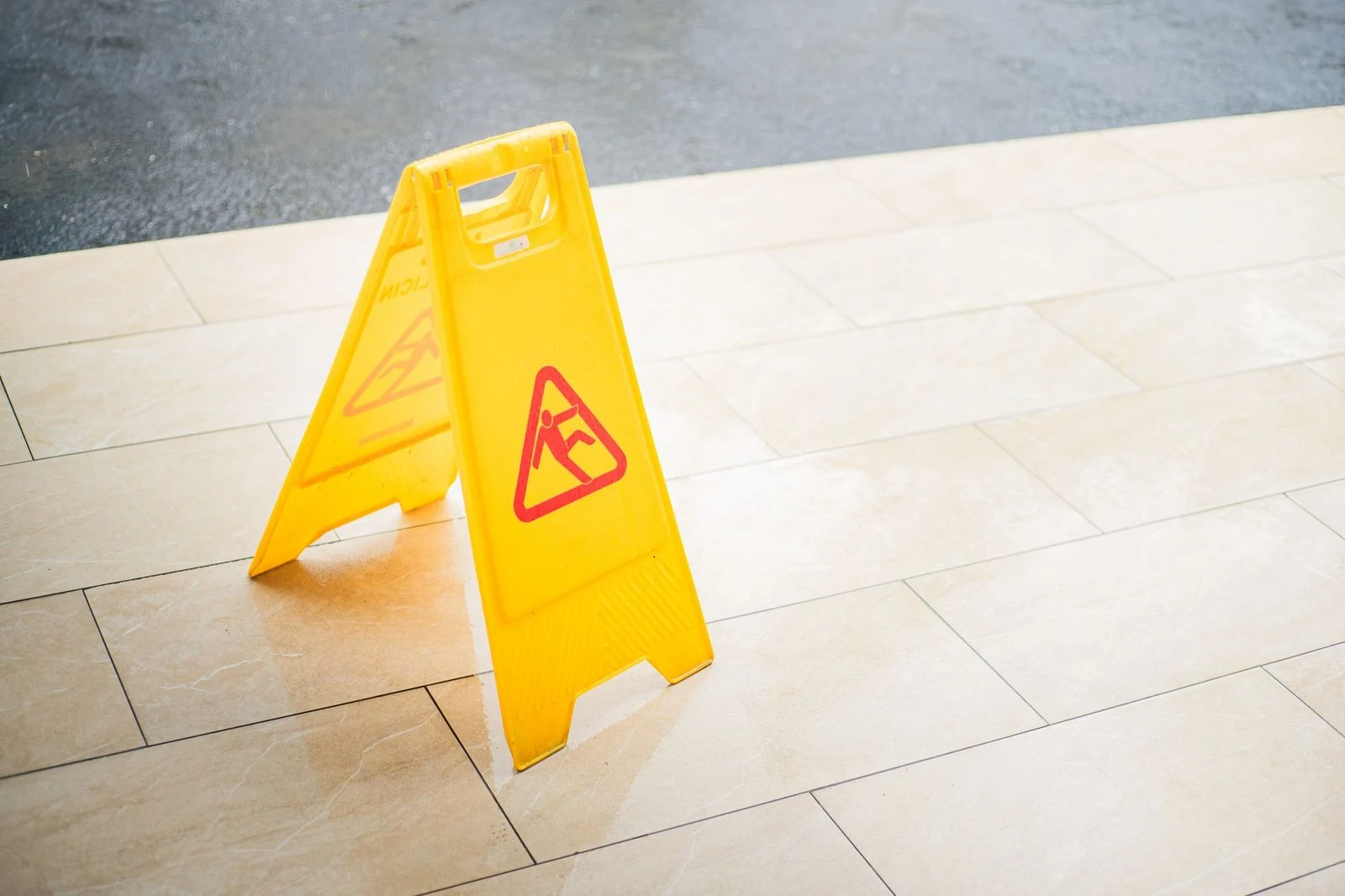
Slip safety matters on every floor, worn or not. The OSHA slips handout notes that wet or spilled floors and smooth surfaces increase slip risks. Treat any change in how a floor feels underfoot as a reason to look closer.
Maintenance habits that help a sealed floor last longer
A steady routine of gentle cleaning and quick spill response does the most to protect a seal.
- Use the right cleaner. Choose pH-appropriate cleaners made for sealed concrete, and avoid harsh or abrasive products that strip the surface. The Safer Choice product list lists floor-cleaning products certified under EPA’s Safer Choice criteria.
- Mop and clean up fast. Dust mop routinely so grit doesn’t scratch the seal. Clean up spills promptly. The OSHA slips handout says spills should be cleaned up or reported immediately.
- Use entry mats. Place mats at exterior doors to cut tracked-in dirt and moisture. Keep equipment wheels clean.
- Schedule floor care. Regular floor care maintenance catches wear while it is still small.
- Keep water away from edges. Keep pressure washing and landscape work away from floor edges and doorways, where water can be forced under or around the seal.
Keeping commercial floors clean and dry is a routine part of our floor care and day porter work.
When to reseal and when to have the floor assessed
Reseal when the signs appear across a wider area, not just in one spot. Partial work can look uneven when the rest of the floor is worn.
Spot repairs can address localized wear in high-traffic lanes while the rest of the floor stays in good condition. A floor that has been stripped, polished, or recoated before may need a different approach. The right method depends on the existing finish and how the site is used.
Document what you see, with dates and photos, so an owner, a tenant, or an inspector has a record. Walk the floor with the person who cleans it each day, since they often notice changes first. Ask for an on-site assessment when the floor is part of a building you manage, a lease obligation, or an upcoming inspection.
Frequently asked questions
Below are short answers to four common questions about sealed concrete floors. Each one points back to the factors above.
How soon after pouring can concrete be sealed?
Sealing has to wait until the concrete has cured enough for the sealer to bond. Timing depends on the mix, the sealer, and site conditions, and our team can confirm it for a specific floor.
Is a sealed floor the same as a polished floor?
No. A sealer is a surface layer, while polishing refines the concrete itself, so care and lifespan differ.
Does every sealed floor need the same care?
No. Traffic, cleaning methods, and sealer type all change the routine that fits a given site.
Can pressure washing damage a sealed concrete floor?
Water forced at the slab edge or under a doorway can get past the seal. Keep pressure washing away from those areas.
Not sure what your next step is?
Talk it through with our team — the first consultation is free, confidential, and carries no obligation.
Talk with our team about your sealed floor
If a floor you manage is starting to look worn, our team can take a site-specific look with you. You may be looking after a floor you didn’t install. An owner or tenant may have raised a concern, or an inspection may be coming up.
Reach out through the contact form, call the office, or ask us about a quote. Each route starts a conversation about your floor’s condition, its use, and its maintenance history.
La consulta inicial es gratuita, confidencial y sin compromiso de continuar.
We’ll look at the floor first, then talk through your options.
How We Approach Floor Care
Floor-by-floor assessment
We look at traffic levels, cleaning routines, and the current condition of each floor before recommending any next step.
Routine maintenance schedules
Regular cleaning and upkeep help slow wear, so there are fewer surprises between major maintenance cycles.
Gentle, appropriate methods
We choose cleaning products and equipment that suit the sealer and the concrete beneath it.
A dependable team
Our team coordinates with property managers and staff to keep common areas clean and well maintained.
Watch Out for Harsh Cleaners
Strong acids, abrasive pads, and heavy-duty degreasers that are not designed for sealed concrete can cloud or strip the surface. Ask before switching products.
Common Signs a Sealer Needs Attention
Water no longer beads
When spilled water soaks in instead of sitting on the surface, the protective layer may be thinning.
Worn traffic lanes
Doorways, aisles, and paths to exits often show dullness or a change in color first.
Spotty staining
Stains that appear in some areas but not others can signal uneven wear across the floor.
Hazy or uneven shine
A cloudy finish after cleaning can point to residue buildup or a sealer that has started to break down.