
Floor Care Maintenance | Miami
Keep Your Porcelain Floors Looking Their Best in Miami Retail and Offices
A few well-chosen questions can clarify the tile, the cleaning approach, and the schedule before any work begins.
By Ryan Jurney · Published November 26, 2026
For porcelain tile floors in a Miami commercial space, floor care maintenance is the service that applies. Ask how it deals with wet floors, whether exterior pavers are covered, and whether the scope is in writing. Each question below explains why it matters for a busy retail store or office.
Start With Your Floor: Porcelain Versus Ceramic Tile
Floor material matters: the surface type, such as porcelain, ceramic, glazed, or unglazed tile, shapes the cleaning method, so when you contact our team, we can discuss it with you.
Porcelain is usually denser and absorbs less water than standard ceramic. That makes it a common choice for high-traffic floors in stores and lobbies. Ceramic tile often has a glaze, a glassy layer on the surface. Unglazed tile has its color all the way through, so wear and soil can show differently.
Why does the vendor need to know? A method that suits glazed tile may not suit unglazed tile. A harsh product can dull a glaze or leave residue on a porous surface. Ask the vendor to confirm the tile type on site before work starts.
Your floor may also be a mix. Entrances often use a different tile than the sales floor. Point that out during the walkthrough so the scope matches each area.
For the wider picture, read our guide to floor care maintenance in Miami-Dade.
If the porcelain or ceramic floors in your store or office look dull or turn slick during open hours, our team can walk through them with you. Talk it through with our team — the first consultation is free, confidential, and carries no obligation.

Which Cleaning Method and Products Should You Ask About?
Ask which cleaning method the vendor uses on hard tile in a busy space, and why it fits your surface.
A clear answer names the steps. It should cover the scrubbing or machine work, the rinsing, and the drying. Ask what equipment is used, such as floor scrubbers, pads, and extraction tools. Then ask how often pads and cleaning solution are changed during a visit. Dirty pads spread soil back across the floor.
Products matter too. Ask what cleaners the crew uses and whether the vendor has confirmed they suit your tile and grout. Ask whether any coating, wax, or finish goes on the floor. Many people skip this question, then find a dull film under the store lights.
Chemical safety belongs in this conversation. Ask the vendor for the Safety Data Sheet for each product it plans to use.
How Should Grout Be Cleaned and Sealed?
Grout should be treated as its own task, and sealed only when the vendor confirms it needs one.
Grout is more porous than tile. It soaks up soil and oils, so grout lines often look dingy before the tile does. A floor can look clean from a distance while the lines look gray.
Ask whether grout cleaning is part of routine maintenance or a separate deep-cleaning service. Routine visits may clean grout lightly. Deep cleaning removes buildup that regular passes miss. Ask how often each happens and what each one includes.
Ask about sealing too. Ask whether the vendor applies or recommends a grout sealer, and why. Then ask for the cure time. A fresh sealer needs time to dry before foot traffic returns, and walking on it too soon can leave marks.
How Should Scheduling Protect Customers and Staff?
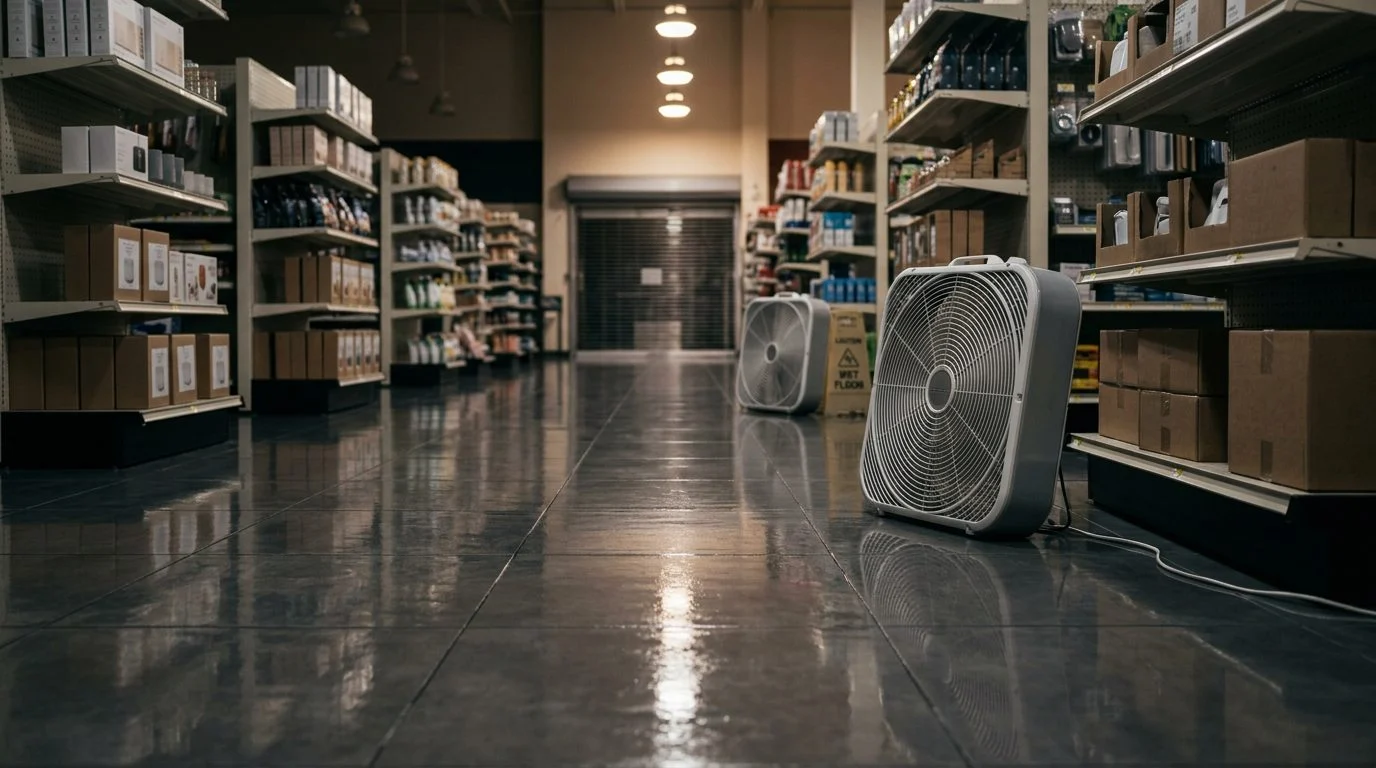
Ask when the work happens and how wet floors are kept away from customers and staff.
Day porter service covers the hours when a store or office is open. A day porter responds to spills, keeps entrances and lobbies tidy, and watches restroom-adjacent areas. Contact Gator Protection to learn whether day porter service fits your property and what a typical shift looks like.
Overnight or after-hours floor care is a separate question. Scrubbing and buffing are easier when no one is walking on the floor. Ask how the schedule keeps wet tile away from people, and what happens if the crew runs late.
A common mistake is mopping during open hours with no sign posted. A single unmarked wet patch can cause a fall. Ask how the vendor tells your staff about schedule changes, and who to contact if a visit is missed.
What Slip Safety Questions Should You Ask?
Ask how fast the vendor responds to spills and where it places wet-floor signs.
Your vendor’s plan should aim at the same goal.
Entrances need extra attention. Rain, sand, and grit come in on shoes and carts. Grit can scratch polished tile as well as make it slippery. Ask how the vendor handles the entry zone and how often it clears it during the day.
Training matters too. The IICRC certifications page states that the IICRC offers a Floor Care Technician certification. Ask whether the vendor’s crew holds it or similar training.
Should Exterior Porcelain Pavers Be Part of the Scope?
Ask whether exterior porcelain pavers and entrance areas are part of the scope. Many storefronts and office entrances in South Florida use outdoor pavers, and these collect algae, grime, and tracked-in soil.
Pressure washing can clean pavers well, but the settings matter. Ask how the vendor sets pressure and technique for pavers and their joints. Too much pressure or the wrong tip can damage joints and wash out the material between pavers.
Ask whether pressure washing is included or billed as a separate service. Pressure washing and landscape services often share the same entrance area, so ask who handles which part.
Coordination matters. Exterior work can carry grime inside on shoes and carts. Ask which order the crew follows, and whether exterior work finishes before interior tile is cleaned.
Not sure what your next step is?
Talk it through with our team — the first consultation is free, confidential, and carries no obligation.
What Should a Written Scope and Proposal Include?
A written scope should list each floor, grout line, entrance, and exterior area, along with how often each one gets serviced.
Ask for a scope that names the tile type in each area. Ask how the vendor reports problems it finds, such as cracked tile, loose grout, or stains that keep coming back. Ask who on your side receives those reports.
Ask what the proposal covers and what counts as an add-on. A clear list of included work helps you match the proposal to the floors you actually have. It also helps you spot gaps, such as an entrance left out or grout cleaning billed later.
Some vendors follow the ISSA Cleaning Industry Management Standard, which addresses service quality and staffing. Ask whether that standard applies to the vendor’s work.
If the floor changes, such as a new layout or added tile, ask how the scope gets updated in writing.

Talk Through Your Tile With Gator Protection
If your porcelain or ceramic floor shows dull grout, heavy entrance soil, or wet-floor risk during open hours, bring these questions to our team. Picture a sales floor with dull grout near the door, or a lobby that gets slick every afternoon. The decision in front of you is whether current cleaning covers those areas.
Gator Protection provides day porter service, floor care maintenance, landscape services, and pressure washing services in South Florida. We can walk through your floor type, your traffic pattern, and the questions above.
Reach out through our contact form, by phone, or by requesting a free quote. La consulta inicial es gratuita, confidencial y sin compromiso de continuar.
Frequently Asked Questions
Is porcelain tile harder to clean than ceramic?
Porcelain is usually denser and absorbs less water, but the glaze or finish often matters more for choosing a method. Confirm the tile type before cleaning starts.
Should commercial tile grout be sealed?
Ask the vendor whether it applies or recommends a grout sealer, and ask for the cure time. The answer should match the grout on your floor.
How our team approaches porcelain floor care
Methods matched to the tile
We start by identifying the tile finish and grout so the cleaning approach suits the surface.
Scheduling around your hours
Floor care can be planned around store opening hours, office traffic, and busy periods.
Scope discussed in writing
We talk through the areas, tasks, and frequency so both sides know what is included.
Support staff who coordinate
Our team stays in contact with your staff to keep work organized and easy to follow up on.
Questions to bring to the conversation
What is the tile finish?
Ask how the finish affects which cleaning products and methods are appropriate.
How is the grout handled?
Ask whether grout sealing or regular grout cleaning is part of the plan, and how it is maintained.
What is the cleaning method?
Ask which equipment, products, and steps will be used, and how the floor is rinsed and dried.
How is the schedule set?
Ask how often the floors will be serviced and how changes to the schedule are handled.
Confirm the tile before cleaning begins
Using a harsh or unsuitable product on a porcelain floor can dull the finish. Ask for the tile type to be confirmed before any cleaning starts.