
Miami-Dade Condo Grounds Guide
Getting Your Condo Grounds Back in Order After a Miami Hurricane
A practical, step-by-step guide for condo boards and property managers facing storm debris, flooded entries, and damaged landscaping.
By Ryan Jurney · Published November 3, 2026
Hurricane damage to condo grounds in Miami usually shows up as storm debris, broken palm fronds, torn mulch, and silt-covered grass. Some of the worst damage hides in drains, irrigation lines, and salt-coated plants. A clear order of work helps a board or property manager tackle it without making the problem bigger.
This guide walks through what the damage looks like, how to stay safe, and how clean-up, palm trimming, re-sodding, pressure washing, and documentation fit together. It is written for condo board members, property managers, and owners who are now responsible for shared areas after a storm.
What Hurricane Damage to Condo Grounds Usually Looks Like
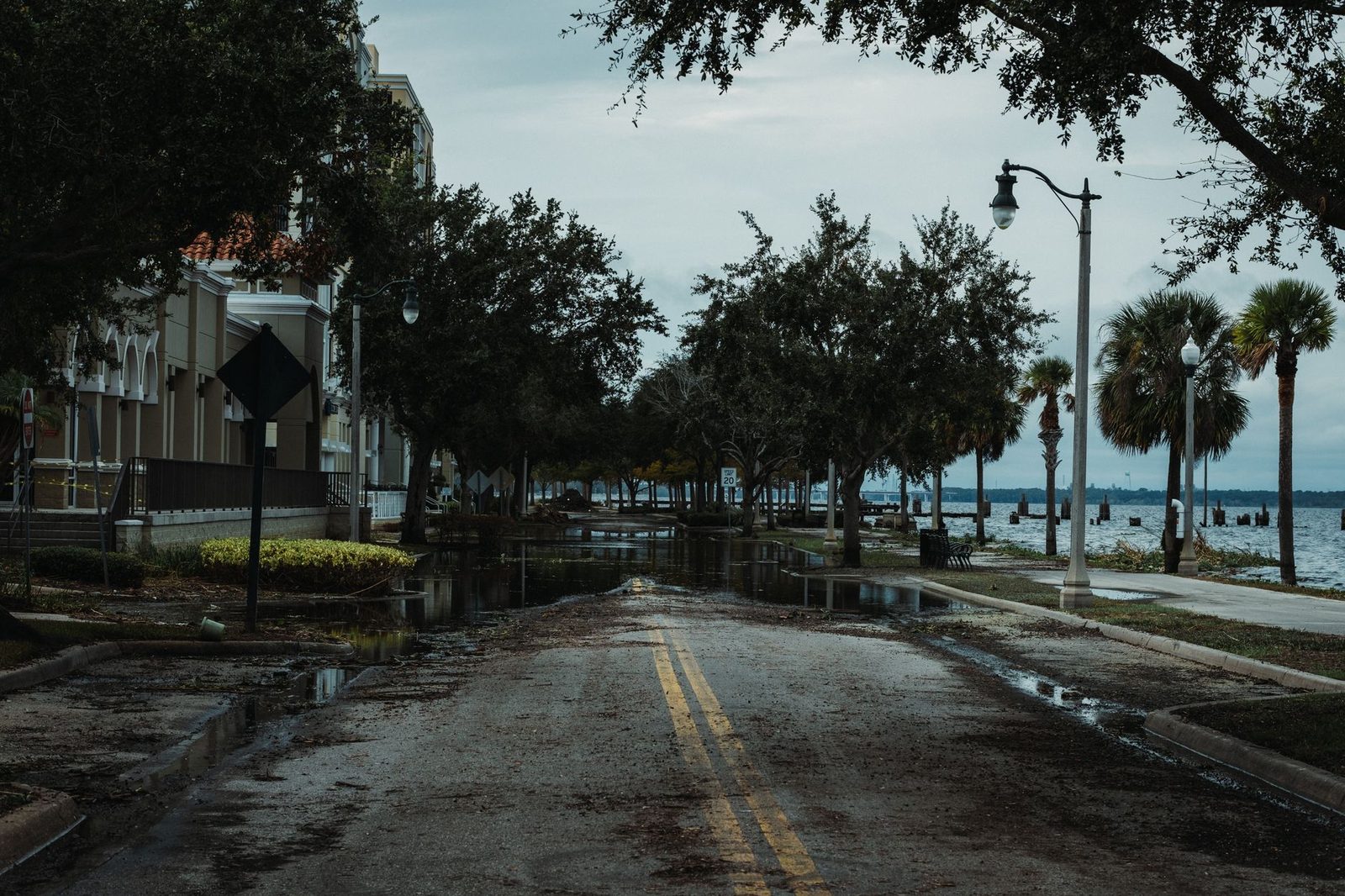
Hurricane damage to condo grounds is most visible as debris, leaning palms, and stripped beds. Less visible damage often sits in storm drains and irrigation heads.
Start with a slow walk of the whole property. Look at lawns, walkways, pool decks, parking areas, and the entry drive. Note which areas are buried, flattened, or washed out.
Check the drains and catch basins too. When they clog with leaves, sand, or fronds, standing water can sit against the building. That water can damage walkways and landscaping.
Look at irrigation as well. Heads can be knocked out of position or broken. Salt and sand left by surge or wind-driven rain can settle on plants and sod.
Photograph everything during this first walk. A dated record gives the board a baseline for planning work. It also helps with any insurance conversation later.
If your board is facing this now, reach out through our contact page and we can talk through your property. Talk it through with our team — the first consultation is free, confidential, and carries no obligation.
Safety Comes First Before Any Clean-Up Begins
Safety comes first, so keep people and equipment away from hazards until they are cleared. Downed power lines are the most serious hazard on any storm-damaged property.
Do not move debris that touches a power line. Report the line to the utility and emergency services instead. Keep residents and crews well back from it.
Keep people away from leaning trees and palms with cracked trunks. Stay out of standing water near pool pumps, electrical boxes, and irrigation controllers.
Limit foot traffic on soggy or unstable ground. Tell residents which areas are closed and where the safe routes are. Building management should post notices at entries and pool gates.
Floors need attention too. Keeping walking surfaces clean and dry is a practical way to reduce slip hazards in commercial spaces. Wet silt on lobby floors and walkways is a slip risk.
Debris Clean-Up Across Shared Common Areas
Debris clean-up goes best when you work in a set order. Open access routes and entrances first, then walkways and parking, then lawns and beds.
This order keeps residents, deliveries, and emergency access possible while the work goes on. It also keeps crews from walking over debris they already cleared.
Remove fronds, branches, sand, and loose material from pool areas and perimeter fencing. Clear the drains so water runs away from the buildings.
Haul debris off site in separate loads where you can. Keep receipts and service tickets for every load. The association will want those records later.
Storm debris rarely disappears in one visit. Regular service visits can handle ongoing pickup after the first big job. That approach keeps the grounds clean while residents return to normal routines.
Palm Trimming After a Storm: What Gets Cut and Why
Palm trimming after a storm usually means removing broken, split, or hanging fronds. Healthy green fronds should stay on the palm.
Damaged fronds create hazards and look messy. Removing them cleans up the palm and reduces the chance of falling debris. Trimming should follow sound arboricultural practice, which means cutting only damaged or dead fronds.
Stripping the whole crown is a common mistake. A palm uses its green fronds to recover. Taking too many can slow that recovery and leave the palm weak.
Palms with cracked trunks, heavy lean, or root damage need a closer look first. A trained crew should check those palms before anyone cuts them. The safe next step depends on the palm’s condition.
Trimming near power lines, roofs, or balconies needs careful planning. Schedule it with building management. Never let a crew work under a line without the utility’s guidance.
Not sure what your next step is?
Talk it through with our team — the first consultation is free, confidential, and carries no obligation.
Re-Sodding and Irrigation Checks for Storm-Damaged Turf
Storm-damaged turf usually needs to be sorted before anyone replaces it. Some areas will recover on their own, and others will need new sod.
Sort the lawn into four groups. Flattened grass may recover. Bare patches lost their sod. Areas buried in sand or silt need clearing. Areas with salt or drainage problems need their own fix.
Silt or sand should be raked out before new sod goes down. New roots need to reach soil, not a layer of debris.
Irrigation should be checked early. New sod does not establish well if heads are broken or zones miss the turf. Watering rules also apply. Follow those limits when you set the watering schedule.
Fertilizer and pesticide work on landscapes has its own rules under Florida Statutes. Confirm that any crew using these products holds the right credentials.
Pressure Washing Walkways, Entries, and Pool Decks After Storm Silt
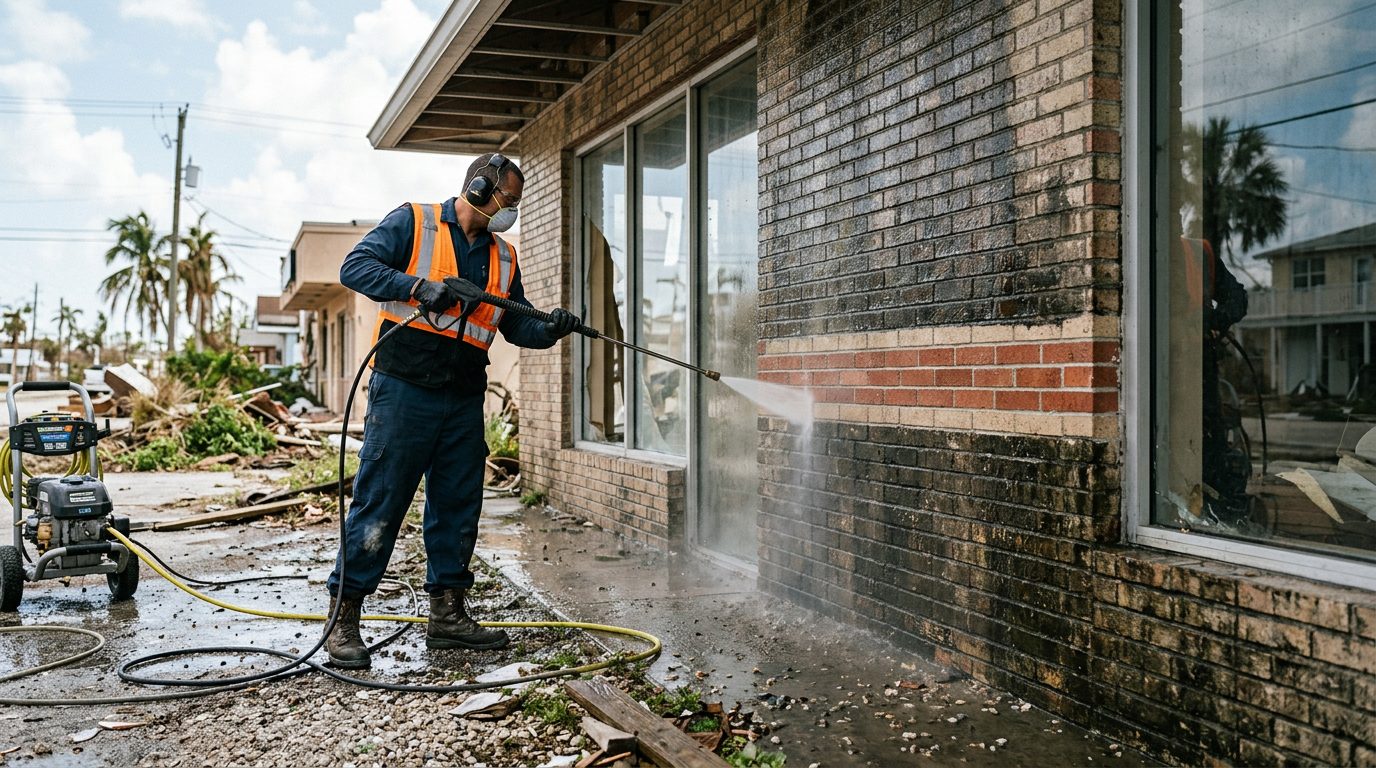
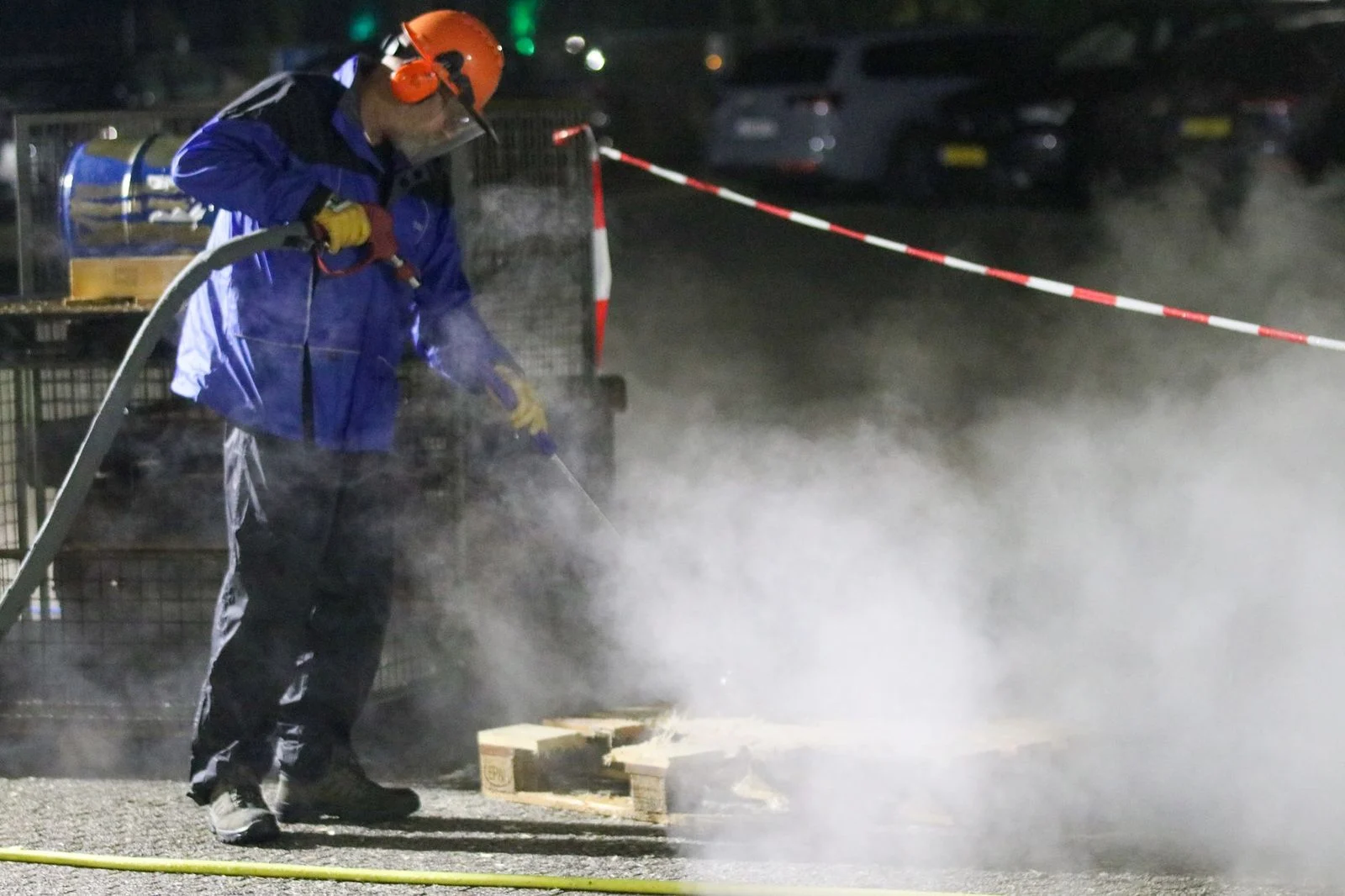
Pressure washing can lift mud, silt, and fine sand from walkways, pool decks, and building entries. It restores footing and a clean look.
Match the pressure to the surface. Concrete, pavers, and painted or delicate finishes each need a different setting. Too much pressure can etch or chip a surface.
Work from the dry edge toward the drain. Rinse the loosened silt into a drain or a planned runoff path. Do not push it toward the building.
Chemicals need care too. Clear product labeling and access to safety information are important parts of safe cleaning practices.
Lobby entries and tracked-in sand often need repeat attention after a storm. Day porter service fits here. A porter can keep entries clear while the grounds recover.
Documenting the Damage and Coordinating With the Board
Documentation is what lets a board track the work and its costs. Keep it simple and complete from day one.
Take dated photos and video of each damaged area before, during, and after work. Keep a short log that shows who did what and when.
Save every invoice, service ticket, and disposal receipt in one place. A single folder makes the association’s cost history easy to review.
Insurance claims run between the association, its policy, and the insurer. Cleanup records can support that process. They do not decide any coverage question.
Share the log with the board at regular meetings. Clear updates keep owners informed and reduce confusion about what has been done and what remains.
Have questions about what happened?
Ask our team directly. The first conversation is free, confidential, and there is no obligation to continue.
Planning Your Next Step With Our Team
Storm recovery usually goes in phases. Safety and debris come first. Palms, turf, pressure washing, and ongoing entry upkeep follow in a sensible order.
Our team can walk through your grounds, note the damage, and suggest a sequence that fits your building. We provide landscape services, pressure washing, and day porter service across South Florida.
The first consultation is free, confidential, and carries no obligation to continue. If your board is facing this now, reach out through our contact page and we can talk through your property.
What should a condo board do first after hurricane damage?
Start with safety, then document the damage with dated photos. After that, clear access routes, entries, and drains before the rest of the work.
Do palm fronds always need trimming after a storm?
Broken, split, or hanging fronds usually come off. Healthy green fronds should stay on the palm to help it recover.
Are there watering limits for landscaping in Miami-Dade?
Yes.
How Gator Protection Can Help Your Property Recover
Day Porter Service
Ongoing on-site attention to entries, lobbies, walkways, and common areas while the property returns to normal use.
Floor Care Maintenance
Scheduled cleaning and care for lobby, hallway, and garage floors that have been tracked with mud, sand, and debris.
Landscape Services
Debris removal, trimming of broken limbs, and replanting support to help common grounds look cared for again.
Pressure Washing
Cleaning of walkways, pool decks, pavers, and building exteriors that have collected salt, silt, and storm residue.
Safety Comes First
Before any clean-up work begins, keep residents away from downed power lines, standing water near electrical equipment, and unstable trees or debris. When in doubt, wait for the appropriate authorities to clear the hazard.
A Simple Order of Operations
1. Secure the Property
Make sure entries, stairwells, and walkways are safe to use before anything else.
2. Document the Damage
Take dated photos of grounds, landscaping, pavement, and building exteriors to keep a clear record.
3. Clear Access and Drains
Remove debris from entrances, parking areas, and drains so water can move away from the building.
4. Restore the Grounds
Trim damaged vegetation, pressure wash surfaces, and maintain floors and common areas over time.