
Day Porter Service · Miami
Lost and Found in a Miami Condo: How the Day Porter Keeps Items Safe
A consistent, documented process protects residents' belongings and keeps building management informed at every step.
By Ryan Jurney · Published November 18, 2026
You found a wallet in the lobby. Or a resident called the front desk about a bag that vanished from the laundry room. Either way, you want to know what happens next.
A day porter logs the item, stores it securely, and reports it to management. The item goes back only after the owner describes it and connects to the building. This page walks through each step.
Where a Day Porter Fits in a Condo’s Lost and Found Process
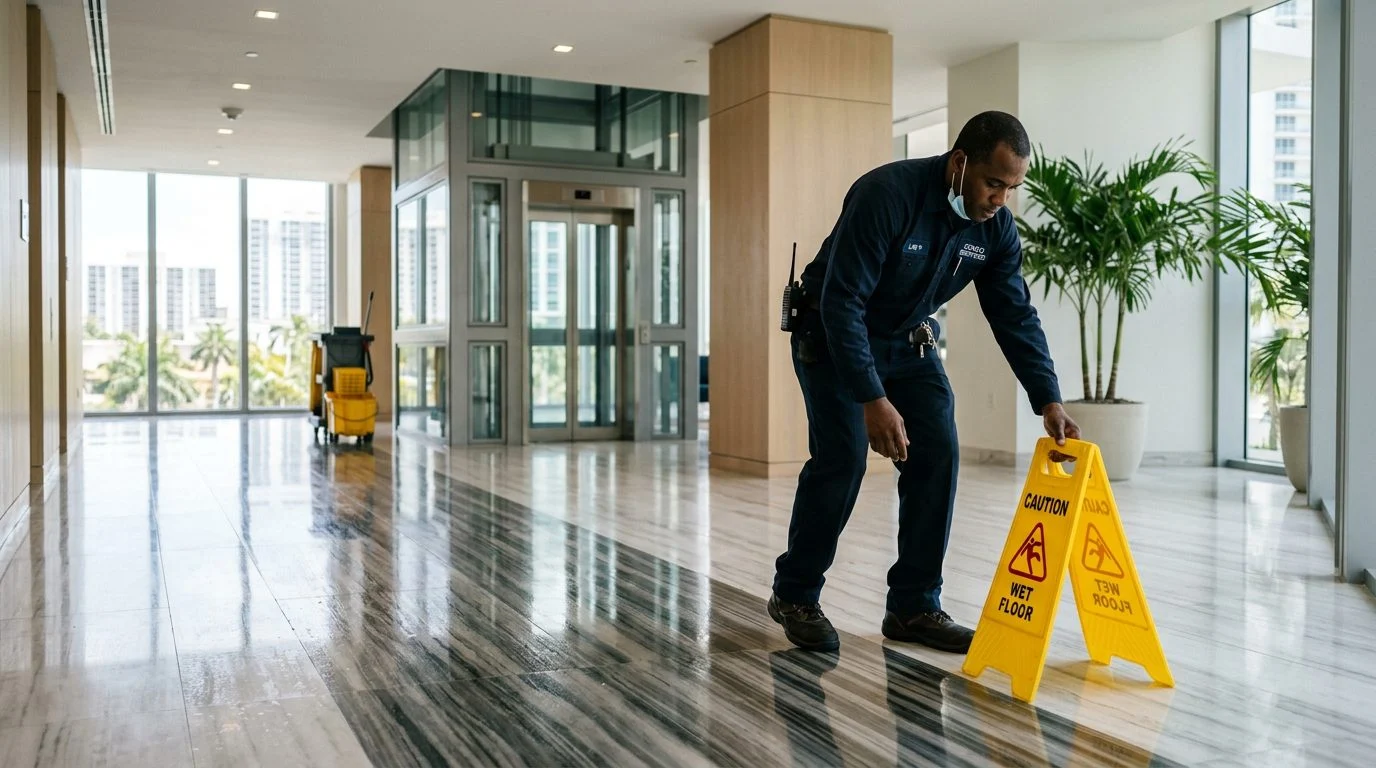
A day porter is often the first staff member to notice a lost item, because the job runs on regular rounds. Rounds cover the lobby, elevators, mailroom, pool deck, laundry room, and parking areas. Each stop is a chance to spot something left behind.
Lost and found is one part of day porter service. It runs under the building’s own written procedures, not the habits of one person.
Gator Protection, Inc. provides day porter service across South Florida, including Miami-Dade County. Read our day porter service guide for Miami-Dade for the full picture.
If you're holding an item right now, or you inherited a building's lost and found routine, you don't have to sort it out alone; talk with our team about your building's steps. Talk it through with our team — the first consultation is free, confidential, and carries no obligation.
Step One: What the Porter Does the Moment an Item Is Found
The porter notes where the item was found and when, then describes it plainly. Record the time, the exact spot, and anyone nearby, if known.
Describe the item as it is: type, color, size, and any brand marks. Skip guesses about its value or who owns it. Guesses can send a claim in the wrong direction.
Where the building allows, take a photo. A photo shows the item’s condition at the moment it was found.
Set valuables apart right away. Keys, phones, wallets, and ID need quick, separate handling so they don’t sit in a pile with ordinary items.
Step Two: Logging the Item and Storing It Securely
Every item goes into a written or digital log before it goes into storage. Each entry should show the date, time, location, a plain description, and a unique reference number. That number ties the tag, the log, and the item together.
Store items in a designated space with limited access. Avoid counters and open closets. A locked space with a named keyholder keeps handling clear.
Consistency matters most when several staff members or shifts cover the same building. Anyone reading the log should understand each entry the same way.
A complete log also protects both sides. It shows the owner the item was handled with care. It shows the porter exactly what was done and when.
Step Three: Reporting to the Building Manager or Association
The porter reports each found item to the property manager or association contact, following the building’s procedure. Routine items can go in the regular report.
Electronics, medication, and documents should reach management promptly. These items carry more risk if they are mishandled or lost again.
Reporting gives the board one clear record. If an owner asks about an item weeks later, the board can check the log instead of relying on memory.
Records need a safe home. Florida’s community association management law sets duties for community association managers and community association management firms acting on behalf of an association. Keep the found-item log with the building’s files, so a change in management doesn’t leave it behind.
Step Four: Matching the Item to Its Owner and Releasing It
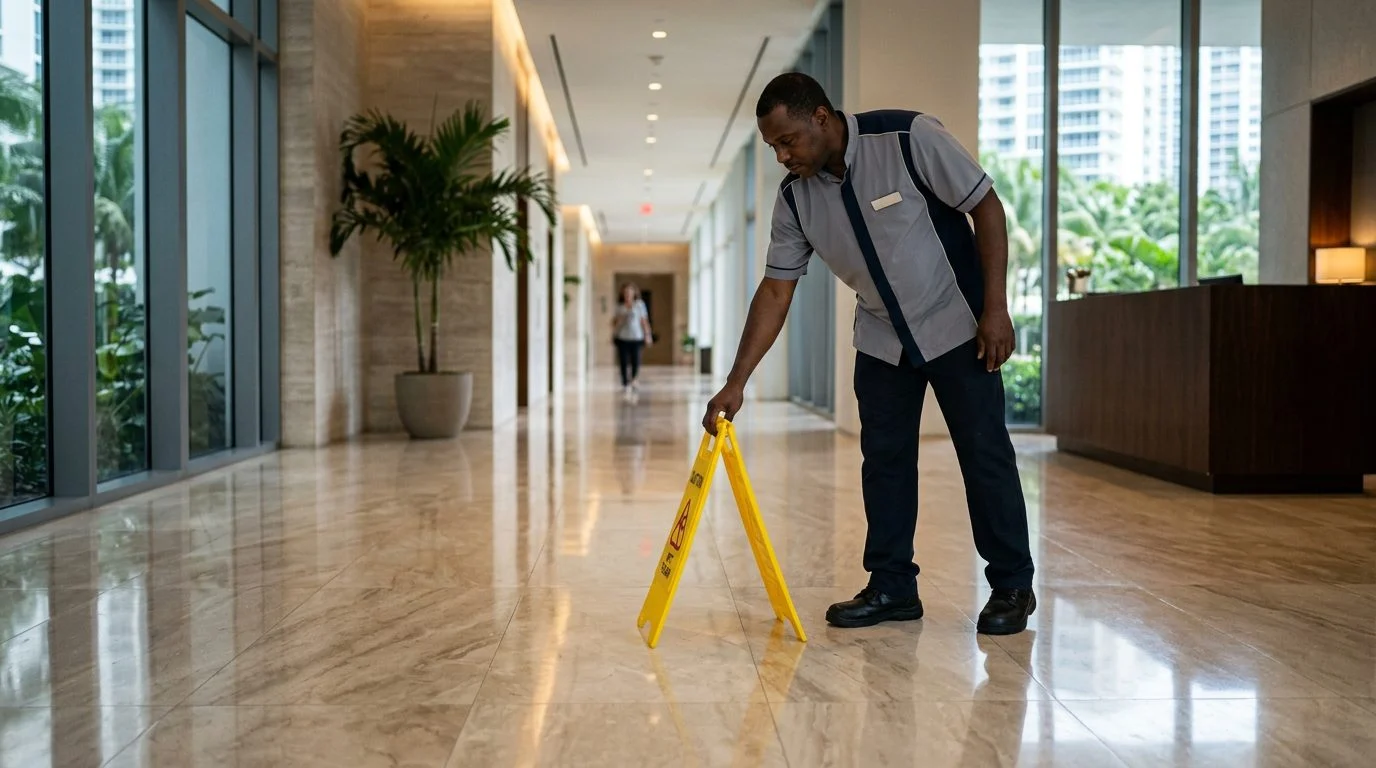
An item goes back only after its owner describes it in detail and connects to the building. Ask the owner to describe features that aren’t obvious, such as a scratch, a case, or what’s inside a bag.
Check identification and confirm the unit or resident connection. Then have the owner sign a receipt at handover. The signed receipt goes into the log.
Don’t release an item to someone who describes it loosely or cannot connect to the building. A vague description could match many things.
Residents and visitors can ask at the front desk or with management about a missing item. The porter then checks the log.
Privacy matters too. Florida law requires a condominium association to keep a current roster of unit owners, including mailing addresses and, if known, telephone numbers (Fla. Stat. § 718.111). The same law says owners’ e-mail addresses may be used only for association business and may not be sold or shared with outside third parties. Don’t pass an owner’s contact details along to find a found item’s owner.
Step Five: Unclaimed Items, Holding Periods, and Disposal
Unclaimed items leave storage only under the building’s written policy and with management’s approval. The policy sets how long an item is held.
It also sets what happens next, such as donation or disposal. Record the final step in the log: the date, who approved it, and what was done with the item. An entry with no ending leaves the next person guessing.
Valuable or identifiable items often need different handling than ordinary clothing or household goods. A board may want its policy to say so directly.
Keep the written policy as the controlling document for your building. Practices from another building don’t override it.
Not sure what your next step is?
Talk it through with our team — the first consultation is free, confidential, and carries no obligation.
Making Lost and Found Work Smoothly in Your Building
A written lost and found policy, shared with residents, keeps every step consistent from shift to shift. Boards can adopt a short policy covering logging, storage, reporting, release, and disposal.
Share it in resident materials, such as a building welcome packet. A porter with a heavy workload may skip log steps, so watch for signs a day porter is overloaded.
Quick Answers
Who handles a lost item in a condo?
A day porter logs and stores the item, then reports it to the property manager or association contact.
Can a porter release a found item to someone who describes it loosely?
Not safely. The owner should describe the item in detail and connect to the building before release.
How long does a condo keep an unclaimed item?
The building’s written policy sets that period. The log should record when and how the item leaves storage.
If you’re holding an item right now, or you inherited a building’s lost and found routine you didn’t set up, you don’t have to sort it out alone. La consulta inicial es gratuita, confidencial y sin compromiso de continuar. Reach out through our contact form and we’ll talk through your building’s steps with you.
Why a Structured Process Matters
Every item is logged
A written record of what was found, where, and when gives the building a clear starting point.
Items are stored securely
Found belongings are kept in a designated, controlled location rather than left in common areas.
Management stays informed
The porter reports found items to the property manager or association contact so the right people know.
Release is verified
Items are returned only after the owner describes them in detail and the building's procedure has been followed.
How a Day Porter Handles a Found Item
1. Log the item
Record a description, the location where it was found, and the date and time.
2. Store it safely
Keep the item in a secure spot that is set aside for lost and found belongings.
3. Notify management
Share the log with the property manager or association contact for their records.
4. Return it carefully
Confirm the owner's details against the log and the building's guidance before handing the item back.
Tip: Describe the Item in Detail
If you are missing an item, give the porter a detailed description, including color, brand, size, and any distinguishing marks. A loose description makes it harder to confirm ownership and can slow the return.
Need day porter service for your Miami building?
The first consultation is free, confidential, and comes with no obligation to continue.