
Day Porter Service | South Florida
Daily Cleaning Duties That Keep South Florida Workplaces Ready for Every Shift
Learn what a day porter typically handles each day, how the daily list is set, and how Gator Protection, Inc. supports commercial spaces across Miami-Dade, Broward, and Palm Beach counties.
By Ryan Jurney · Published October 27, 2026
A day porter’s daily duties are the recurring tasks that keep a commercial building clean and presentable during business hours. Most daily lists cover restrooms, high-touch surfaces, lobbies and break rooms, trash and recycling, and spot floor care. If your question is “What cleaning duties do you expect to handle on a daily basis?”, you need a clear answer before any contract starts. This page walks through a typical shift, zone by zone.
What a Day Porter Covers During a Typical Shift
A day porter cleans and maintains the building while it is open, so routine work happens during the workday. Daily duties are the tasks that repeat every shift to keep a space presentable from one day to the next. They are different from periodic jobs like stripping floors or washing an entrance.
The exact list varies with the building’s size, foot traffic, and tenants. A busy lobby needs more attention than a quiet office suite. Shift timing matters too, because restrooms and entrances need the most attention when the building is busiest.
That is why the list should be written down. A written list gives the building and the crew the same picture of the day.
Not sure what your next step is?
Talk it through with our team — the first consultation is free, confidential, and carries no obligation.
Restroom Checks and High-Touch Surfaces
Daily restroom work means restocking supplies, cleaning fixtures, and sanitizing the surfaces people touch most. The check usually starts with supplies. The porter restocks paper goods and soap and empties waste receptacles.
Then the fixtures get cleaned and sanitized. That includes sinks, counters, mirrors, toilets, and urinals. Restrooms are one of the most visible parts of a building, so a missed check shows quickly.
High-touch surfaces need their own attention. Door handles, push plates, elevator buttons, and handrails are touched all day, so they get wiped on each pass.
Disinfectant choice matters. The EPA’s list of selected registered disinfectants shows which products are registered and what label claims each one makes. Disinfectant use should match each product’s label claims.
Lobbies, Common Areas, Break Rooms, and Offices
Common-area work covers the surfaces people see and use, plus the trash in shared spaces. In the lobby, the porter dusts and wipes reception desks, lobby furniture, and visible fixtures. Common areas get tidied, furniture gets straightened, and walkways stay clear.
The break room is usually the busiest shared space. The daily route covers counters, sinks, tables, and the outside of the microwave. It also covers removing food waste, emptying trash bins, and replacing liners.
Office areas need a clear boundary. Daily work usually covers surfaces and trash, not papers, files, or personal items on desks. A vague line like “clean the offices” leads to disputes about what’s included.
A common gap is an unwritten list. When “clean the kitchen” means one thing to the building and another to the crew, the gap shows up on the busiest day.
Trash, Recycling, and Exterior Litter
Daily trash work means collecting interior waste and recycling, moving it to the designated collection area, and keeping that area tidy. Along the way, the porter checks that bins are not overflowing.
Exterior upkeep is part of how a property looks each day. Litter gets picked up from entrances, sidewalks, parking-area edges, and landscaped beds. For planted areas, see our landscape services page.
Pickup frequency is set area by area with the client. Some spots may be checked more than once a day, and others once.
Pressure washing is not a daily task. It is a periodic job for entrances and walkways, covered on our pressure washing services page.
Have questions about what happened?
Ask our team directly. The first conversation is free, confidential, and there is no obligation to continue.
Spot Floor Care and Spill Response
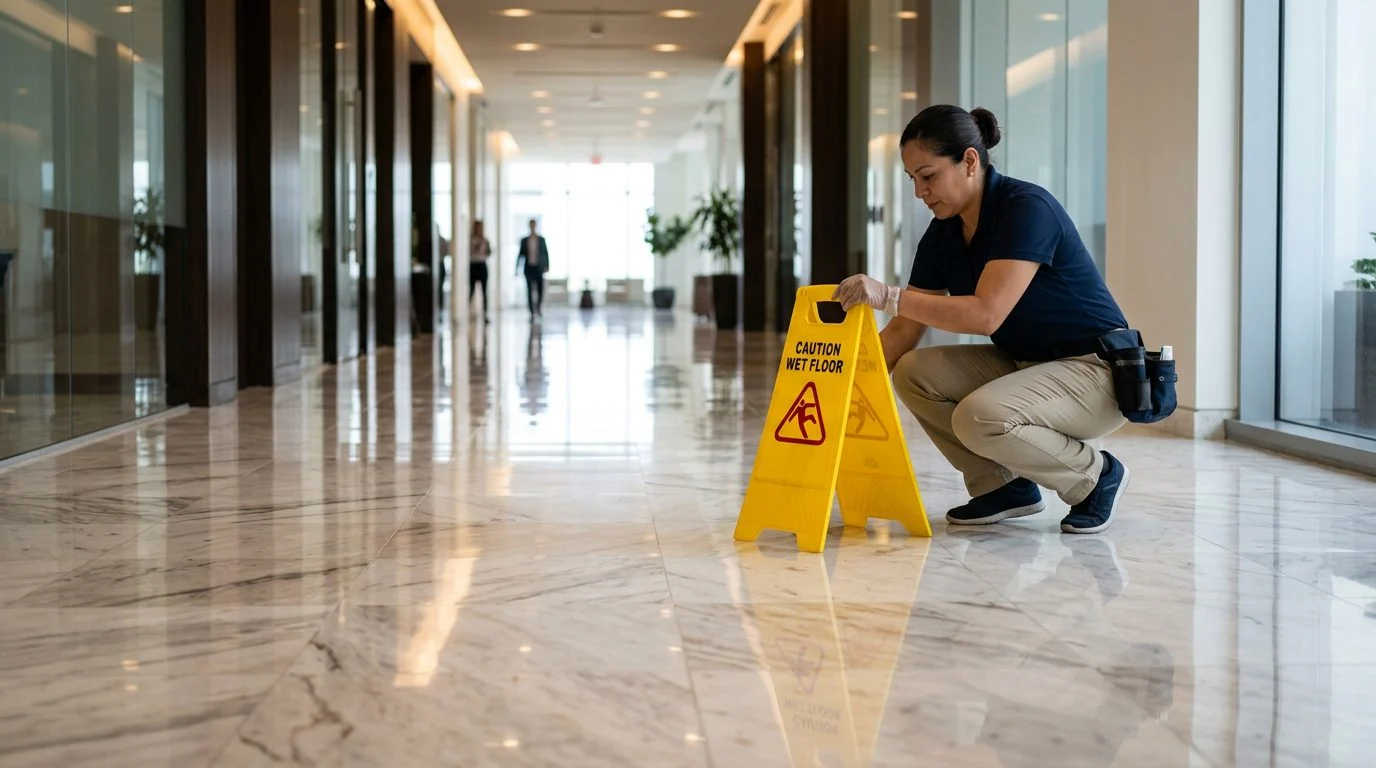
Spot floor care means sweeping or dust-mopping high-traffic areas each day and responding to spills as they happen. Entryways and corridors collect grit fast, so they get swept or dust-mopped on every shift. Tracked-in water and debris get cleared before they spread.
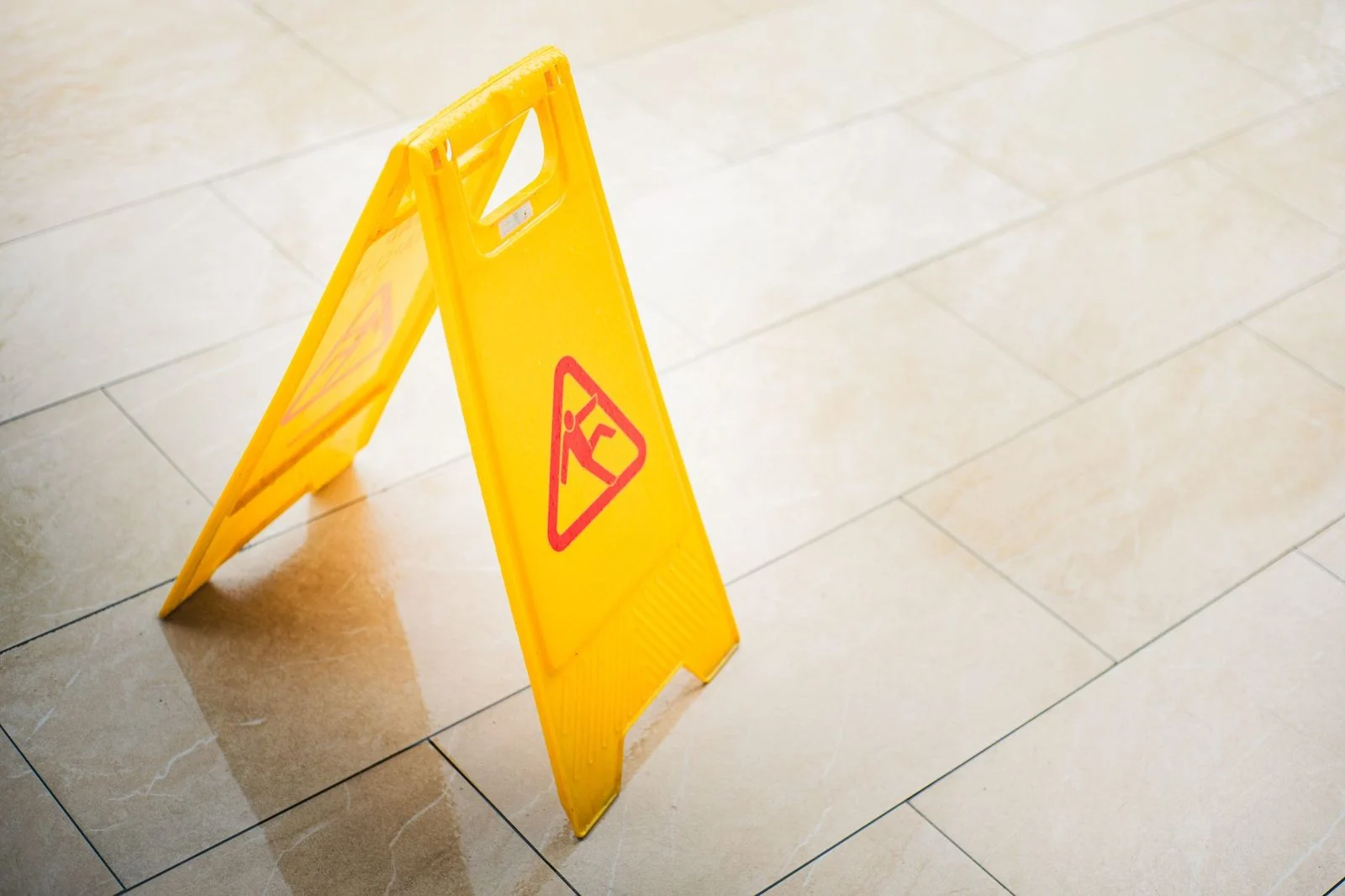
Floor care maintenance focuses on keeping floors clean and well maintained for the people who use them. Fast cleanup of spills lowers the slip risk. It cannot remove every hazard, so cleanup should happen as soon as a spill is found.
Spot-cleaning scuffs and sticky areas happens between scheduled visits. Deeper work, such as stripping or refinishing, runs on a separate schedule through our floor care maintenance service.
How the Daily List Is Set, and Next Steps
A daily list is set with the client after reviewing the building’s layout, traffic, and hours. The client and provider usually walk the property together. They agree on which areas need attention, how often, and what “done” looks like for each task.
Daily tasks sit on the same checklist as weekly and monthly ones. Weekly work might include deeper dusting or baseboards. Monthly work might cover window or wall work. Putting all three on one format shows what happens each day and what happens later. The ISSA Cleaning Industry Management Standard addresses service quality, staffing, and green cleaning practices, and it’s an industry-recognized framework for managing this work.
Who decides what goes on the daily list?
The client and the cleaning provider usually set it together. The list follows the building’s layout, traffic, and hours.
What is the difference between daily and weekly tasks?
Daily tasks repeat every shift to keep the space presentable. Weekly tasks, like deeper dusting, happen less often and take more time.
When someone asks, “What cleaning duties do you expect to handle on a daily basis?”, the answer should come from a written list. If you’re collecting this for an employer or building owner, you’re likely trying to get the scope right before a contract starts. Reach out to our team to talk through the daily duties for your building. Our first consultation is free, confidential, and comes with no obligation to continue.
How Our Day Porter Service Fits Your Building
Built Around Your Hours
Daily tasks are scheduled around your building's operating hours so common areas stay presentable during business time.
Shaped by Traffic and Layout
The daily list follows how your space is used, from lobby foot traffic to restroom use and shared work areas.
Coordinated With Your Team
Our team works with you to set and adjust the list so it matches your priorities and your staff's routines.
Clear Communication
We keep open lines of contact so questions, changes, and special requests are handled promptly.
Tip: Put Your Daily List in Writing
A written daily checklist helps everyone agree on what gets done each shift, how often, and in which areas. Review it together whenever your building's hours, tenants, or traffic change.
Common Daily Duties
Restrooms
Cleaning and restocking restrooms, wiping fixtures, and checking supplies so facilities stay sanitary and ready for use.
Lobbies and High-Touch Surfaces
Wiping door handles, railings, elevator buttons, and other frequently touched surfaces throughout the shift.
Trash and Recycling
Emptying waste bins, replacing liners, and moving refuse to designated collection areas.
Breakrooms and Shared Spaces
Tidying kitchen counters, sinks, tables, and common work areas so shared spaces remain orderly.
Get a Daily Cleaning Plan Built for Your Space. Start With a Free, Confidential First Consultation, With No Obligation to Continue.
Want to know where you stand?
Tell us what happened and our team will walk you through the options available to you, at no cost.