
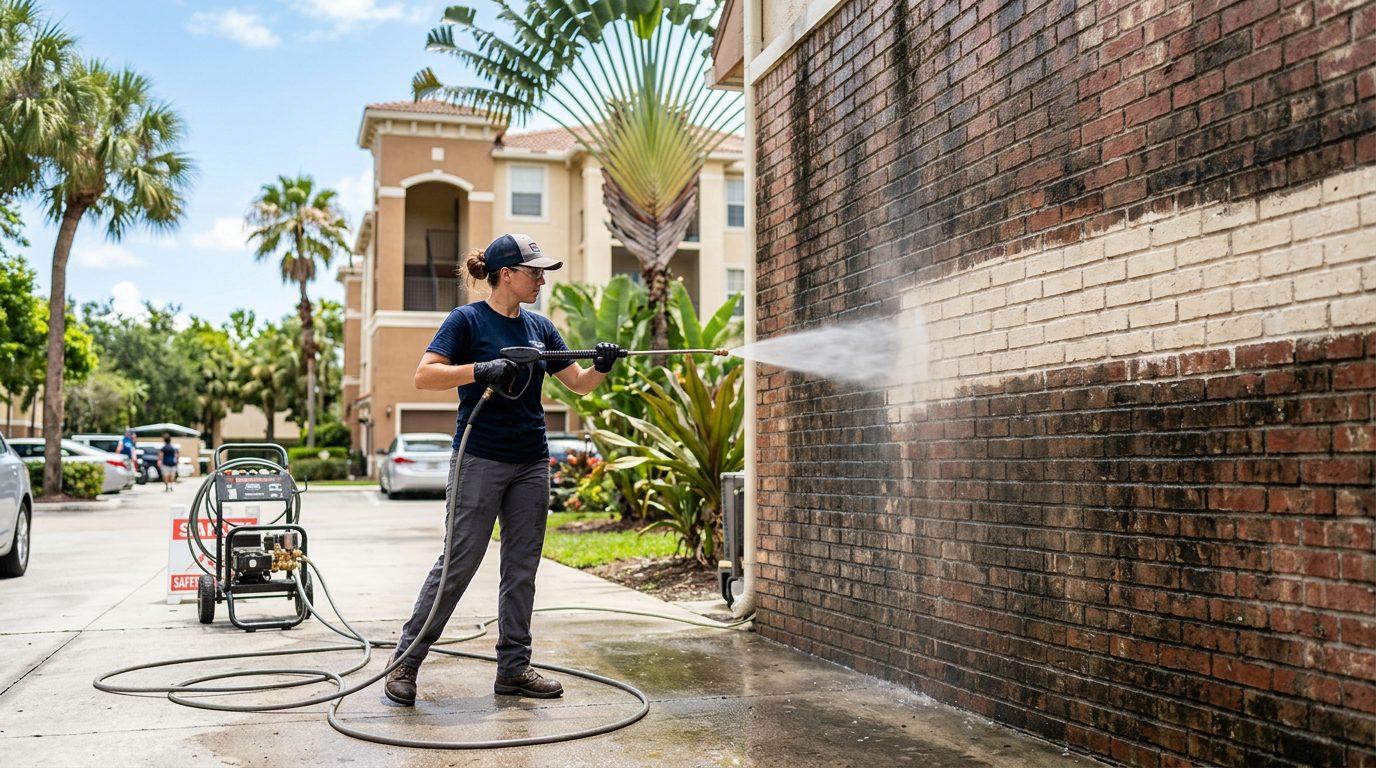
Apartment Common-Area Pressure Washing · Palm Beach County
Shared Spaces That Look Cared For, Every Day
Pressure washing for apartment walkways, entries, parking areas and shared grounds, planned around the people who live there.
By Ryan Jurney · Published November 26, 2026
Algae on walkways, grime on breezeways, and a dirty dumpster pad make an apartment community look worn. Wet algae can also make a walkway slippery.
Here is what it covers, how pricing works, and what to expect.
What Apartment Complex Pressure Washing Covers
Apartment complex pressure washing is high-pressure water cleaning for the hard outdoor surfaces that residents and visitors share. It removes dirt, grime, mildew, and algae from concrete, pavers, and similar surfaces outside the units.
Common areas are the shared parts of a property, such as walkways, parking, and pool areas. They are often the first thing residents and prospective renters notice. Slick, algae-covered surfaces also raise the risk of falls.
This work serves property managers, community association managers, HOA boards, and ownership groups. For apartment buildings other than single-family homes and duplexes, the landlord must make reasonable provisions for “the clean and safe condition of common areas” at all times during the tenancy, unless otherwise agreed in writing. See Fla. Stat. § 83.51.
HOA boards carry a similar weight. Under Fla. Stat. § 720.303, association officers and directors have a fiduciary relationship to the members they serve.
Our team offers commercial services in Palm Beach County. This page covers the apartment common-area pressure washing we offer there.
Not sure what your next step is?
Talk it through with our team — the first consultation is free, confidential, and carries no obligation.
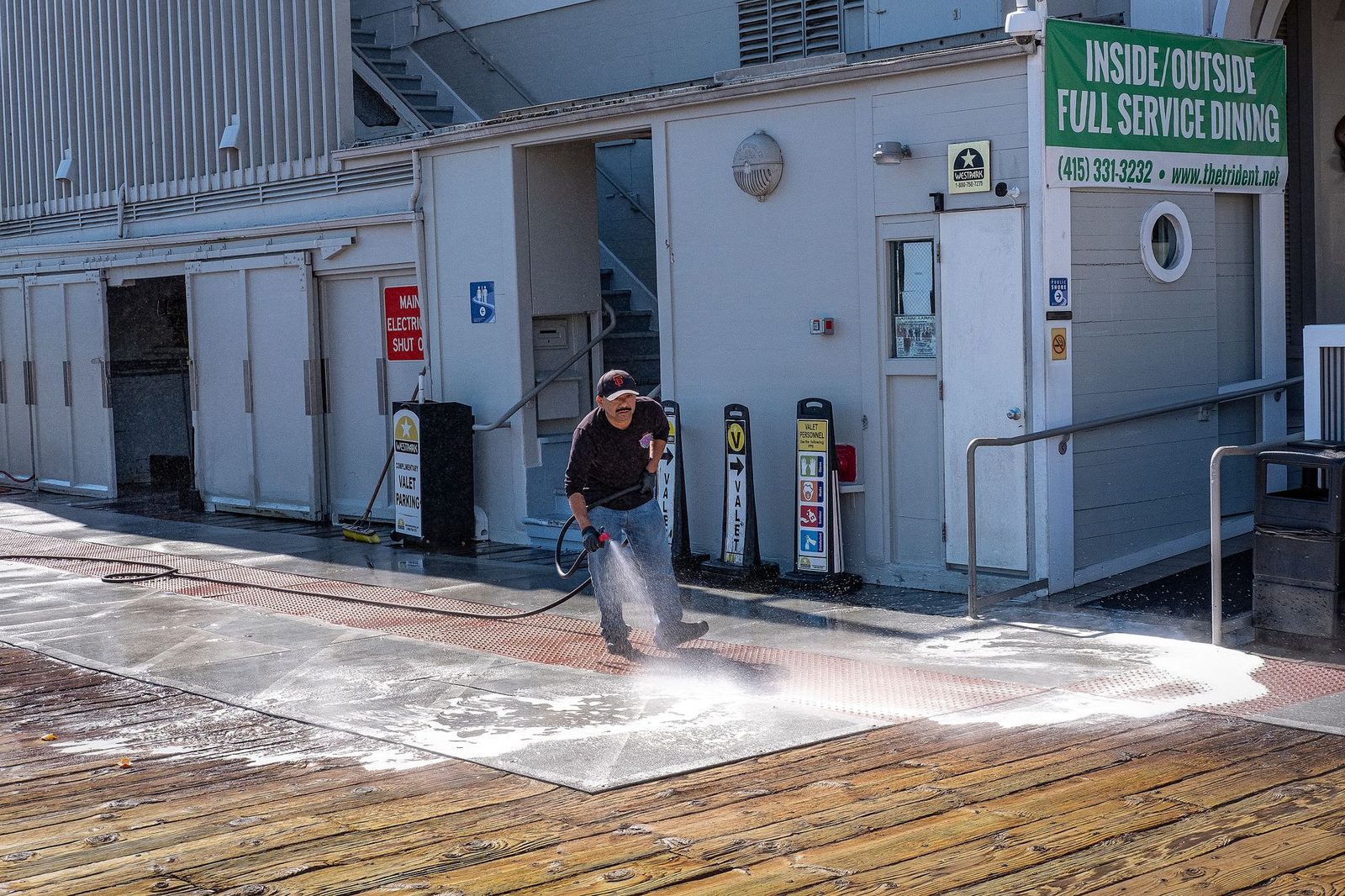
Common-Area Surfaces We Pressure Wash
Pressure washing covers the hard outdoor surfaces shared by residents, from entry walkways to pool decks. The scope can include:
- Walkways, sidewalks, and entry paths to building doors and mailbox areas
- Breezeways, stairwells, landings, and covered walkways
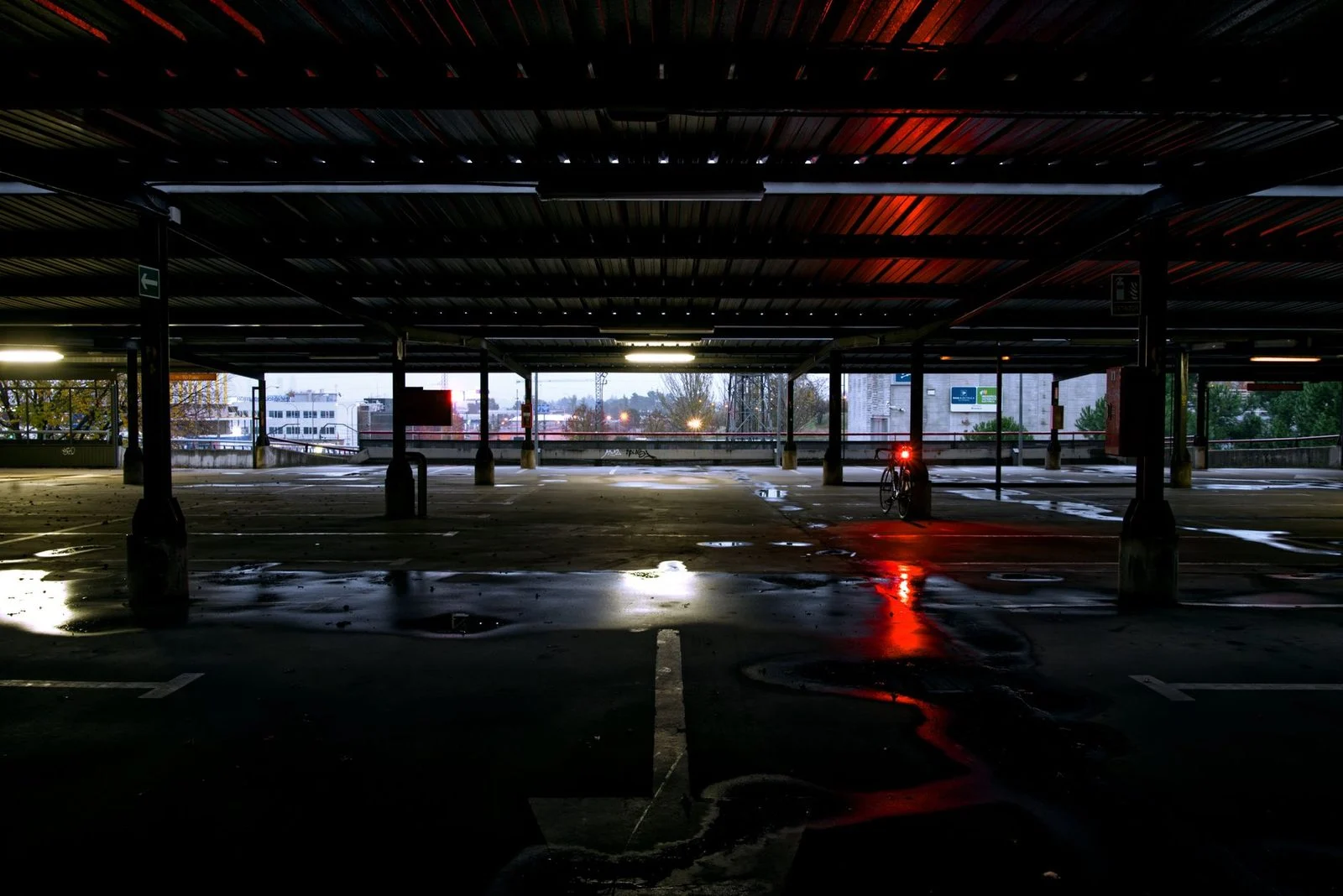
- Parking areas, carport surfaces, and garage floors where access allows
- Dumpster pads and trash enclosure surfaces
- Pool decks, pool entry areas, and clubhouse patios
- Building exterior walls and ground-level facades, where the surface suits washing
Surface type sets the method. Stucco, painted walls, and pavers each need a different pressure and technique, so we match the method to the surface before work begins.
Dumpster pads need extra care.
Indoor hard floors fall under our floor care maintenance service, which is separate from exterior washing.
How Pricing and Scope Are Set
Pricing follows the written scope. That scope starts with a walkthrough of the shared areas and your goals for them.
Scope inputs include:
- Total area of each surface
- Surface type and condition
- Access limits, such as gates, active parking, and loading zones
- Frequency: a one-time deep cleaning or recurring washing
Recurring washing keeps common areas consistent between deeper cleanings. One-time work suits a property that needs a full reset. Both options are available.
A common mistake is scoping only the visible walkways and missing the dumpster pad or pool deck. A complete list of surfaces prevents that gap. Ask that the quote tie back to the written scope, so each surface is accounted for.
Contract terms also matter. Check your own agreement’s terms before adding new work.
What to Expect: Step-by-Step Process
The work runs in five steps, from walkthrough to final review.
- Walkthrough of the community’s shared areas with the property contact.
- Written scope listing surfaces, sequence, and schedule.
- Scheduling around resident traffic, parking, and existing contracts, with notice to residents where the community requires it.
- Pre-treatment and pressure washing, working from the top of each structure downward and clearing debris first.
- Rinse, a check of edges and high-traffic points, and a final walkthrough with the property contact.
Quieter scheduling windows often mean less disruption for residents. Runoff control runs through every step.
The timeline depends on square footage and surface types. The written scope confirms the schedule before work begins.
Why Work with Gator Protection
Gator Protection covers pressure washing alongside day porter service, floor care maintenance, and landscape services. One provider can handle the shared spaces.
- One provider for pressure washing, day porter service, floor care maintenance, and landscape services
- Scheduling can account for existing day porter and landscape visits, so crews don’t collide on the same walkways
- Our support staff handles scheduling and follow-up with the property contact
- A written scope comes before work starts, so the property knows exactly which areas are included
- We serve South Florida, including Palm Beach County, Miami-Dade County, and Broward County
A property with one provider has one scope to track, one set of notes, and fewer schedules to coordinate. That is the practical benefit of bundling these services.
Frequently Asked Questions
Short answers to the questions property managers and boards ask about this service.
Will residents be inconvenienced?
Scheduling is planned around resident traffic and parking. The team works in sections, so walkways and entries stay usable where possible.
Can pressure washing damage stucco, paint, or pavers?
Pressure settings and technique are set for each surface type and its condition before work begins.
Do you wash pool decks?
Yes. Pool decks and pool entry areas are part of the common-area scope.
Is recurring washing available?
Yes. It can be set up alongside other scheduled common-area services.
What should a written scope include?
It lists each surface, the cleaning sequence, the schedule, and any areas left out.
Do you serve areas outside Palm Beach County?
Yes. We serve South Florida, including Miami-Dade and Broward counties.
What does the first consultation cost?
The first consultation is free, confidential, and carries no obligation to continue.
Not sure what your next step is?
Talk it through with our team — the first consultation is free, confidential, and carries no obligation.
Talk to Our Team About Your Community’s Common Areas
Our team can scope pressure washing for your community’s shared areas in one written plan. Each surface, sequence, and schedule is listed before work starts.
If your Palm Beach County apartment community has slick walkways, algae on breezeways, or grimy dumpster pads, request a quote from Gator Protection today, or call the office to get started.
How We Plan Common-Area Work
Scheduled Around Residents
Timing is set with resident traffic and parking in mind, so daily routines are disturbed as little as possible.
Settings Matched to the Surface
Water pressure and technique are chosen for each surface type and its condition before any work begins.
Work Done in Sections
Areas are cleaned in stages so walkways and entries stay usable wherever practical.
Clear Communication
Our team keeps you informed about the plan, the schedule, and any changes along the way.
Tell Us About Your Surfaces First
Stucco, painted walls, and pavers each respond differently to water pressure. Sharing details about your property before the first visit helps the team plan the right approach.
Common Areas We Pressure Wash
Walkways and Breezeways
Concrete and paver walkways, stairs, and covered passages that see daily foot traffic.
Parking Areas and Garages
Lots and parking structures cleaned in sections to keep access open for residents.
Pool Decks and Patios
Shared pool areas and patios cleaned with settings suited to each finish.
Building Exteriors and Entries
Entry areas, lobby approaches, and exterior surfaces that shape a community's first impression.