
Floor Care Maintenance · Miami-Dade County
Cleaner Commercial Floors, Kept That Way
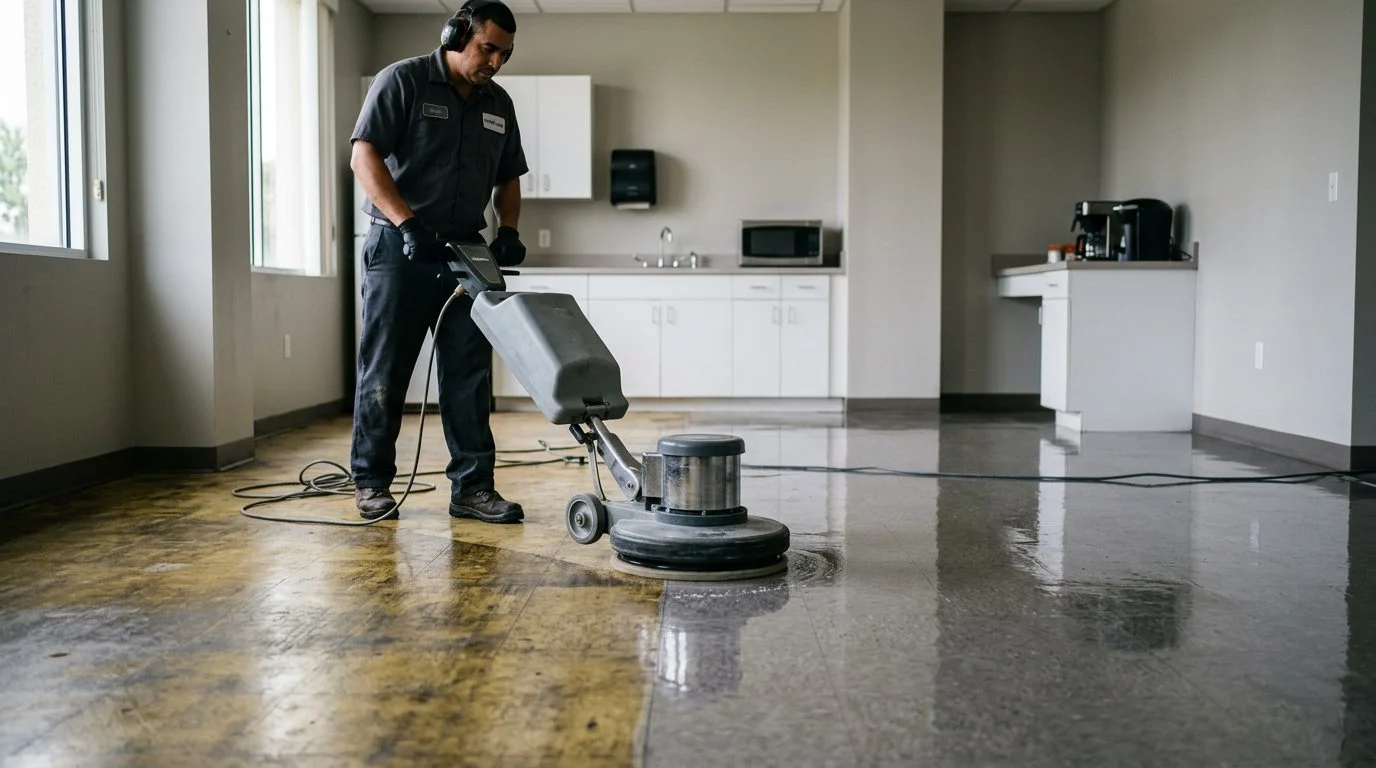
Scrubbing, machine cleaning, and periodic stripping and refinishing, scheduled to fit your floor type and your business. Start with a free, confidential first consultation with no obligation to continue.
Start With a Free Consultation
Free
First consultation
Confidential
Discussion of your floors
No obligation
To continue after the consultation
By Ryan Jurney · Published October 30, 2026
What gets your floors the cleanest? The short answer is three things working together: a cleaner matched to the floor, a mopping method that lifts dirt instead of spreading it, and a rinse that leaves no film behind. For most South Florida commercial spaces, routine floor care maintenance keeps those steps running on a steady schedule. This guide explains each factor in order, with answers to the questions property managers and condo boards ask most.
What “the cleanest” actually means for your floors
Clean means the soil is gone, no sticky film is left, and the floor’s finish is still in good shape.
A floor can look clean from across a lobby and still fall short up close. Light often shows streaks, haze, or dull patches where cleaner was left behind. A floor that feels tacky underfoot usually holds residue, not just dirt.
South Florida conditions make this harder. Sand, humidity, and heavy daily traffic bring in grit. Grit scratches the finish, and scratched finishes hold dirt more easily. Lobbies in Brickell, storefronts on South Beach, and shared spaces in Coral Gables all face this problem.
Three things shape the result: the floor material and finish, how many people walk on it, and how often it gets cleaned. Change any one of them, and the right method changes too.
If you're responsible for floors in a building you don't clean yourself, and they look dull, sticky, or worn, reach out to Gator Protection, Inc. Talk it through with our team — the first consultation is free, confidential, and carries no obligation.
Start with the right cleaner for your floor type
Start by matching the cleaner to the floor material and its finish. A product that suits sealed concrete can dull natural stone.
Tile, vinyl, luxury vinyl plank (LVP), sealed concrete, hardwood, and natural stone each respond differently. Some surfaces react badly to strong acids or alkaline products. Others need a gentle formula that won’t strip the protective coat.
For many resilient and sealed floors, a pH-neutral cleaner made for floor finishes is a common starting point. Choose one that suits your floor, and follow the label directions.
Every cleaning chemical should come with a label and a Safety Data Sheet.
For more detail, read our vinyl flooring care guide and our floor cleaning chemical guide.
Vinegar and dish soap: common home methods and why they can fall short
Dish soap and vinegar can clean a floor, but both often cause problems on commercial surfaces. The main issues are leftover film and finish damage.
Can I use Dawn dish soap to wash my floors? Dish soap is a degreaser, so it lifts oil well. Overuse or poor rinsing leaves a film that attracts dirt, and that film is often why a floor looks dull the next day.
How do I clean floors with vinegar? Mix vinegar with water, mop, and rinse. A diluted vinegar solution is acidic. It can dull some finishes and is a poor fit for natural stone and some wood floors. Dilution, rinsing, and the floor’s finish decide whether the method causes harm.
Many home methods skip a step that matters most: the rinse. Mop water that turns gray should be dumped and replaced. Using the same bucket all day spreads soil back across the floor.
Mopping technique that removes dirt instead of moving it
Sweep or dust-mop first, then wet-mop with clean water. Loose grit that gets wet turns into a grinding paste across the floor.
Use a microfiber or well-wrung mop so the floor stays damp, not soaked. Standing water can seep into seams and leave marks.
Change the water often. Dirty water puts soil right back down. A mop that keeps going into gray water can make a floor look worse.
Work in sections, and move toward the exits. That way you don’t walk across freshly mopped areas. Let each section dry before anyone crosses it.
What do you clean a floor with? In practical terms, you need three things: a cleaner suited to the floor, clean water, and a mop or machine that fits the space.
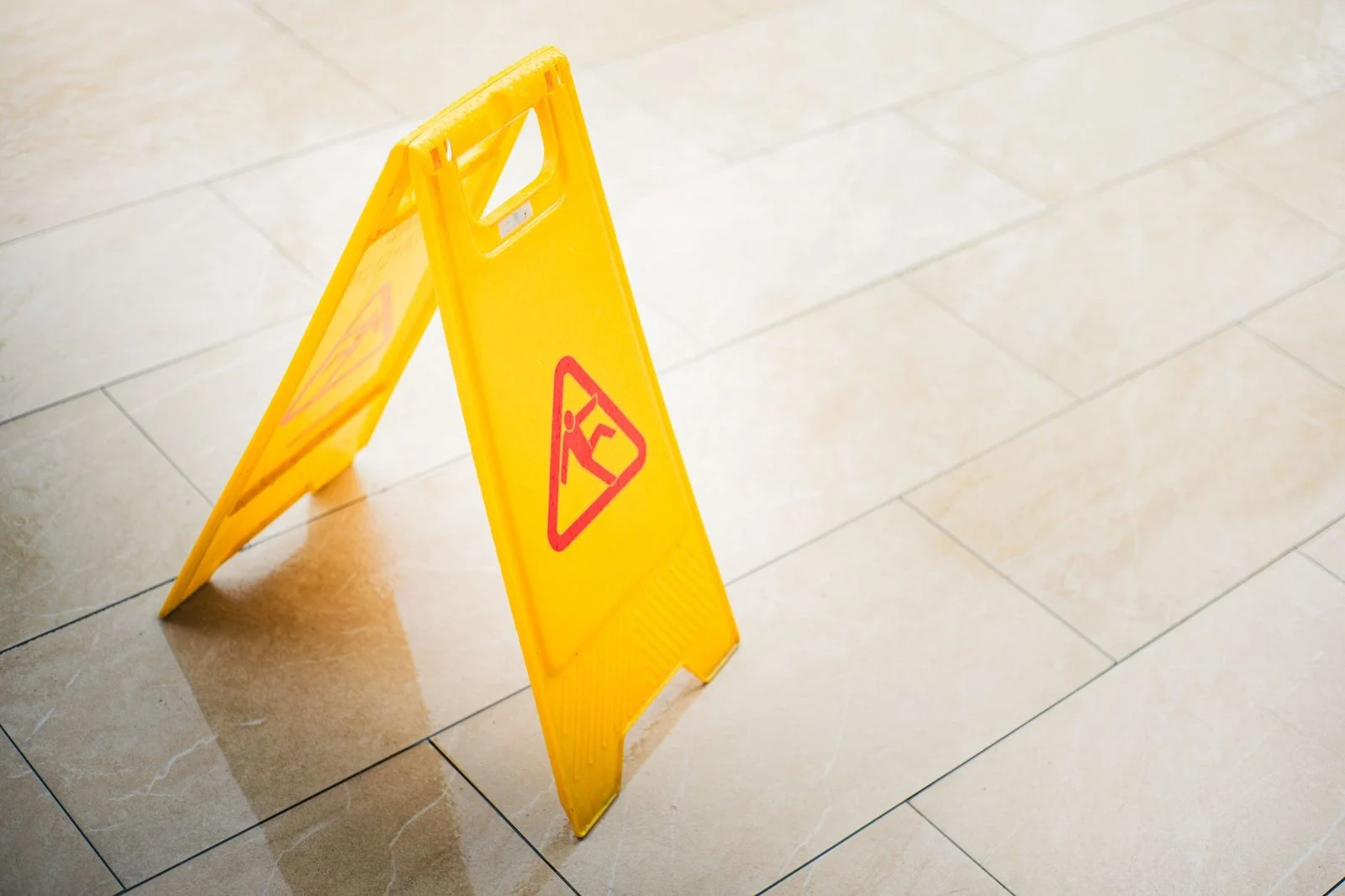
Keeping floors clean and dry also reduces slip risk.
Not sure what your next step is?
Talk it through with our team — the first consultation is free, confidential, and carries no obligation.
How to get a shine without a sticky or streaky finish
Shine comes from a clean, residue-free surface and, on many floors, a protective finish kept in good shape. Polish can only hide a dirty base for a short time.
How do I make my floors shine? Start by removing residue. Then buff the floor and maintain the protective finish on a schedule.
Too much product, incomplete rinsing, and buildup from repeated home methods cause most dullness and haze. Use the amount the label directs, and rinse with clean water.
Buffing can restore gloss on floors that are otherwise clean. Periodic finish maintenance keeps that gloss from wearing away under foot traffic. When buildup is heavy, floor stripping and refinishing removes old layers before a new finish goes on.
For the full picture, see our floor care maintenance guide.
When routine floor care maintenance gets better results
Routine floor care maintenance gets better results on floors with steady foot traffic. Soil builds up faster than occasional cleaning can remove it.
Scheduled cleaning keeps grit from grinding into the finish. Correct equipment and consistent products also keep results uniform from one visit to the next. The ISSA Cleaning Industry Management Standard addresses service quality, staffing, and green cleaning practices for commercial cleaning organizations.
This consistency matters most in condos, office lobbies, and shared restrooms across Miami-Dade, Broward, and Palm Beach counties. For details, see our condo and apartment floor care program.
Quick answers
What gets floors the cleanest? A pH-neutral cleaner matched to the floor, a dust-mop first step, clean water, and a rinse that leaves no film.
Can I use dish soap on floors? It can be used, but overuse or poor rinsing leaves a film that attracts dirt.
How do I make floors shine? Remove residue first, then buff and keep the protective finish maintained.
If you’re responsible for floors in a building you don’t clean yourself, and they look dull, sticky, or worn, reach out to Gator Protection, Inc. for a free first consultation that is confidential and carries no obligation to continue. Contact us here.
Frequently Asked Questions
What gets commercial floors the cleanest?
Floors look cleanest when they are cleaned with methods suited to their surface, such as scrubbing, machine cleaning, and periodic stripping and refinishing, on a regular schedule. Our team can recommend a plan for your floor type during a free, confidential first consultation with no obligation to continue.
How often should commercial floors be professionally cleaned?
High-traffic areas often need daily or nightly cleaning, with deeper floor care such as buffing and stripping done periodically. The right frequency depends on foot traffic, floor type, and how the space is used.
Does floor care maintenance help floors stay clean between deep cleanings?
Yes. Regular dust mopping, spot cleaning, and buffing remove grit and soil that can wear down floor finishes over time. Day porter service can handle these touch-ups during business hours, which helps floors look better for longer.
What should I ask about before setting up a floor cleaning plan?
Ask which cleaning methods and products will be used for your floor type, how often each task will be done, and how the schedule fits your hours. Our team can walk through these questions with you during a free, confidential first consultation, with no obligation to continue.
Have questions about what happened?
Ask our team directly. The first conversation is free, confidential, and there is no obligation to continue.
What to Expect From Our Floor Care Maintenance
A plan matched to your floors
We look at your flooring material, foot traffic, and daily use before recommending cleaning methods and a schedule.
Regular, scheduled service
Consistent maintenance keeps floors looking their best between deeper cleanings, so they do not build up dull, soiled layers over time.
Methods suited to each surface
Scrubbing, machine cleaning, and stripping and refinishing are chosen for the surface in front of us, not applied one way to every floor.
Service across South Florida
We provide commercial floor care in Miami-Dade, Broward, and Palm Beach counties, including areas such as Brickell, Coral Gables, and South Beach.
Tip: Ask About Your Floor Type First
Different floor materials respond to different cleaning products and equipment. Before choosing a method, confirm what your floor is made of so the cleaning does not damage the surface.
Common Floor Care Services
Routine Cleaning
Regular sweeping, mopping, and scrubbing keep daily dirt and debris from settling into high-traffic areas.
Machine Scrubbing
Floor machines lift embedded grime from larger areas more thoroughly than manual cleaning alone.
Stripping and Refinishing
Periodic stripping removes built-up layers of finish, and refinishing restores a clean, even appearance.
Custom Maintenance Plans
We build a cleaning schedule around your facility's hours, traffic, and flooring materials.
Ready for Cleaner Floors? Start With a Free, Confidential Consultation
Related practice areas
- Floor Care Maintenance Brickell | Gator Protection, Inc.
- Floor Care Maintenance Coral Gables | Gator Protection