
Landscape Services | South Florida and Atlanta
Brown Grass After Watering? Too Much Water May Be the Cause
Waterlogged soil can damage roots and turn a lawn brown even when it looks healthy. Learn the signs of overwatering and what to do next.
By Ryan Jurney · Published November 3, 2026
Yes, Too Much Water Can Turn a Lawn Brown
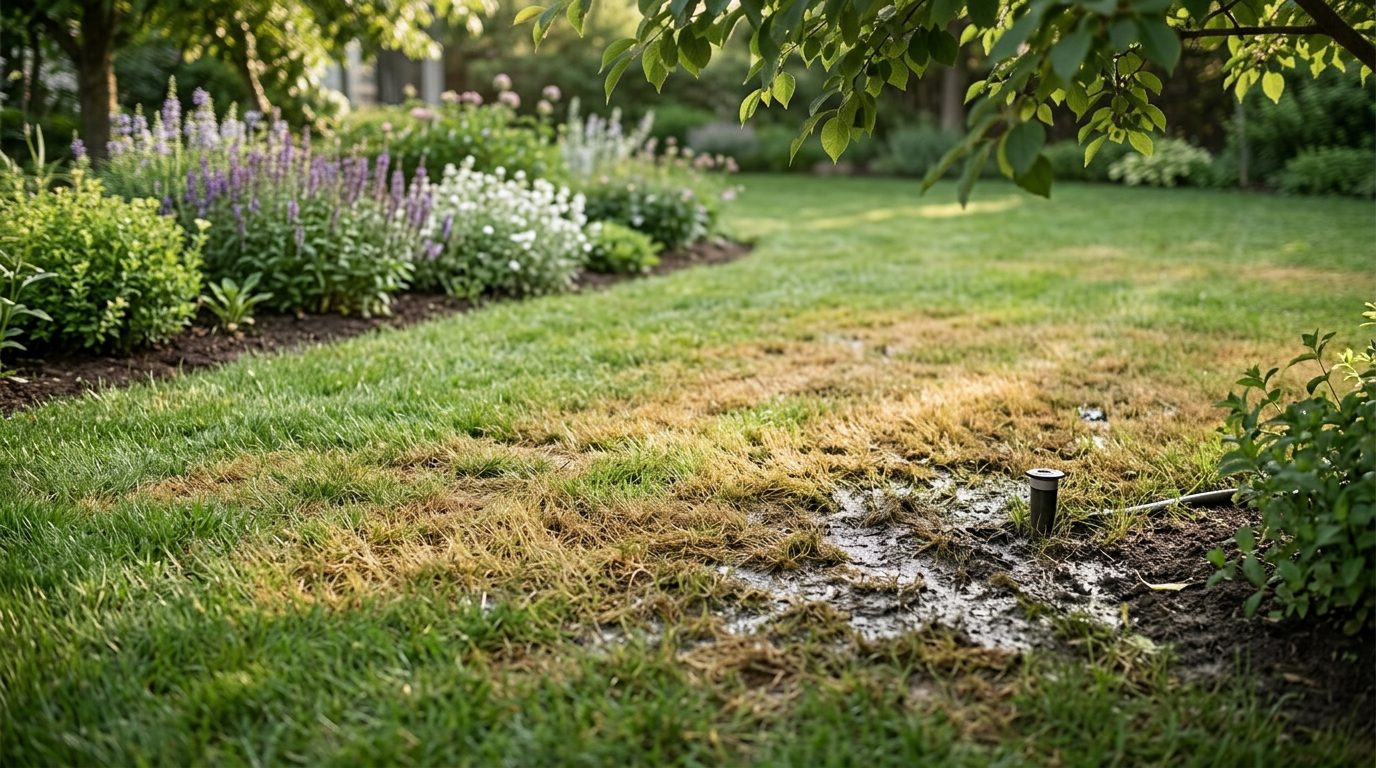
Can an overwatered lawn turn brown? Yes. Too much water can brown turf even when the lawn looks wet and healthy.
Saturated soil fills the small spaces that normally hold air. Grass roots need that air to function. When the root zone stays flooded, roots slow down. They stop taking up water and nutrients the way they should, so the blades lose color and begin to brown.
Over time, the damage can go deeper. Waterlogged roots can weaken and start to rot. A weak root system cannot support healthy blades, so the turf thins, yellows, and browns.
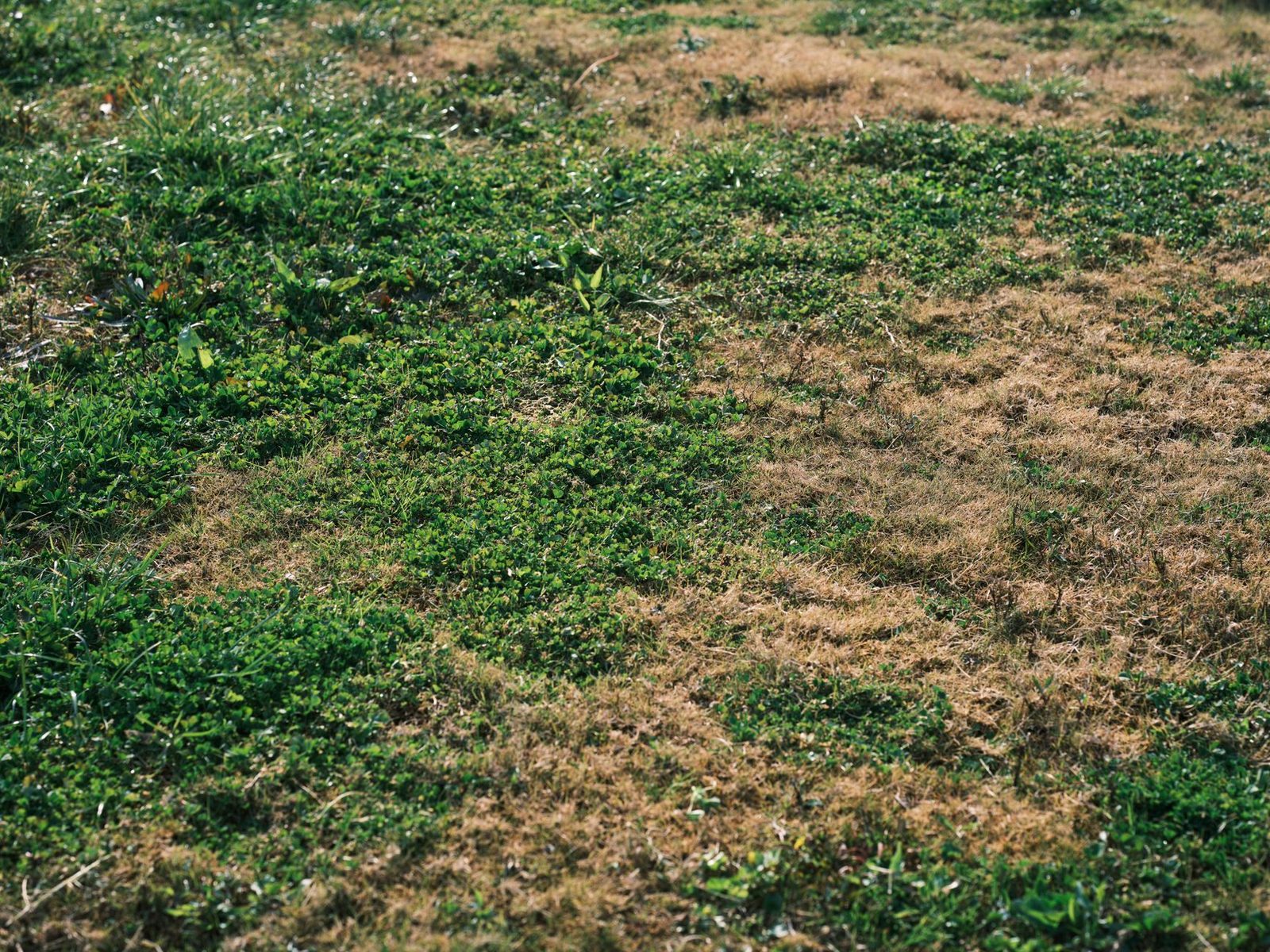
The problem is easy to miss. Overwatered grass can look like drought from a distance. Someone who sees brown and assumes thirst may add more water, and that makes the problem worse.
Shared lawns make this harder. A common area may run on one timer that no one reviews after installation. Board members and property managers may see the browning without ever seeing the timer. Our landscape services for Miami-Dade condos cover this kind of shared property.
If you're trying to work out why the grass at your property is turning brown, reach out through our contact form , call the office, or request a quote. Talk it through with our team — the first consultation is free, confidential, and carries no obligation.
What Happens When Grass Is Overwatered
Overwatered grass usually shows shallow roots, dull blades, and ground that stays soft. Those signs often come before the brown color appears.
Roots grow toward air and moisture. When the top layer stays wet all the time, roots have little reason to grow down. Shallow roots dry out quickly in a hot spell and cannot reach deeper soil.
Limp grass right after irrigation is a common puzzle. The soil is already wet, yet the blades look thirsty. The roots struggle to move water up into the leaves, so the turf wilts or looks dull even after the sprinklers run.
Spongy ground underfoot is another clue. Footprints that stay in the grass, or mower wheels that leave ruts, point to saturated soil. Ground like that never fully dries between watering cycles.
Low spots show damage first. Water collects in dips and along the edges of paths after each cycle. Those areas thin and brown first. If the watering pattern does not change, the browning often spreads outward. Left alone, separate patches can merge into one large brown area.
Signs Your Lawn Is Overwatered, Not Underwatered
Can an overwatered lawn turn brown, and how can you tell it is water and not thirst? The clearest sign is soil that stays soggy, while underwatered grass sits on dry, firm soil.
Signs of too much water:
- Soil stays soggy a few inches down
- Water pools after each cycle
- Mower wheels leave ruts
- The lawn gives off a sour or musty smell
Signs of too little water:
- Blades fold or curl
- Footprints spring back slowly
- Soil is dry and firm a few inches below the surface
Use a simple probe test. Push a screwdriver or soil probe into several spots after the sprinklers finish. If it slides in easily and comes out wet, that zone is getting too much water.
Look at the pattern too. Browning that lines up with sprinkler heads, low areas, or shaded spots often points to the irrigation layout, not the grass itself. Don’t decide from color alone. Both problems can look alike from across the lawn, so check moisture first.
Fungal Disease That Follows Waterlogged Turf
Wet grass can invite fungal disease, and overwatering keeps leaf blades wet for longer periods.
Fungal lawn diseases need moisture to take hold. Irrigation that runs in the evening or overnight leaves blades wet for hours. That extended wetness can raise disease pressure on the lawn.
Brown patch is one such disease. It can affect St. Augustine grass, a turf many South Florida lawns use. Brown patch often shows as roughly circular brown areas, sometimes with a darker outline.
Disease and root stress can occur together. A lawn may need both an irrigation change and a disease check. Treating the wrong problem wastes time and leaves the real cause in place.
Write down what you see. Note the patch shape, rough size, whether the edges look dark, and where the patch sits in the lawn. These details help a service provider assess the problem on site.
Not sure what your next step is?
Talk it through with our team — the first consultation is free, confidential, and carries no obligation.
Other Causes That Look Similar
Dull mower blades, low mowing, heavy fertilizer, poor drainage, and uneven sprinklers can all brown a lawn in ways that look like overwatering.
Dull mower blades tear grass tips instead of cutting them cleanly. The ragged, brown-tipped blades can look like water stress. Mowing too low, or removing too much height at once, also stresses turf and can leave it browning.
Heavy fertilizer can scorch grass, especially when the soil is dry or saturated.
Poor drainage and compacted soil hold water at the root zone. That makes any overwatering more damaging. Compacted soil also drains slowly after each cycle.
Uneven coverage creates wet and dry brown zones in the same lawn. Sprinkler heads may spray pavement while other areas get too little water. The result is a lawn that looks brown in two different ways at once.
How to Check Your Irrigation Before Changing the Schedule
Check the timer, the rain, and the sprinkler output before you change how often the lawn is watered.
Start with the timer. Confirm the days, start times, and run length for each zone. A fixed schedule that ignores rain can deliver far more water than the lawn needs, especially during South Florida’s wet season.
Next, check the local rules.
Then test coverage. Place catch cans or similar containers across each zone, run the cycle, and compare the water depth. Uneven readings mean some heads spray too much and others too little.
Schedule watering for early morning so blades dry during the day. Water deeply and less often rather than running short daily cycles that keep the top layer saturated. The UF IFAS Green Industries BMP program covers fertilizing, irrigation, and water quality practices for landscape professionals.
Adjust one thing at a time. Then watch the lawn for several weeks before deciding the change did not help.
When to Get Help With a Browning Lawn at a Condo or Community
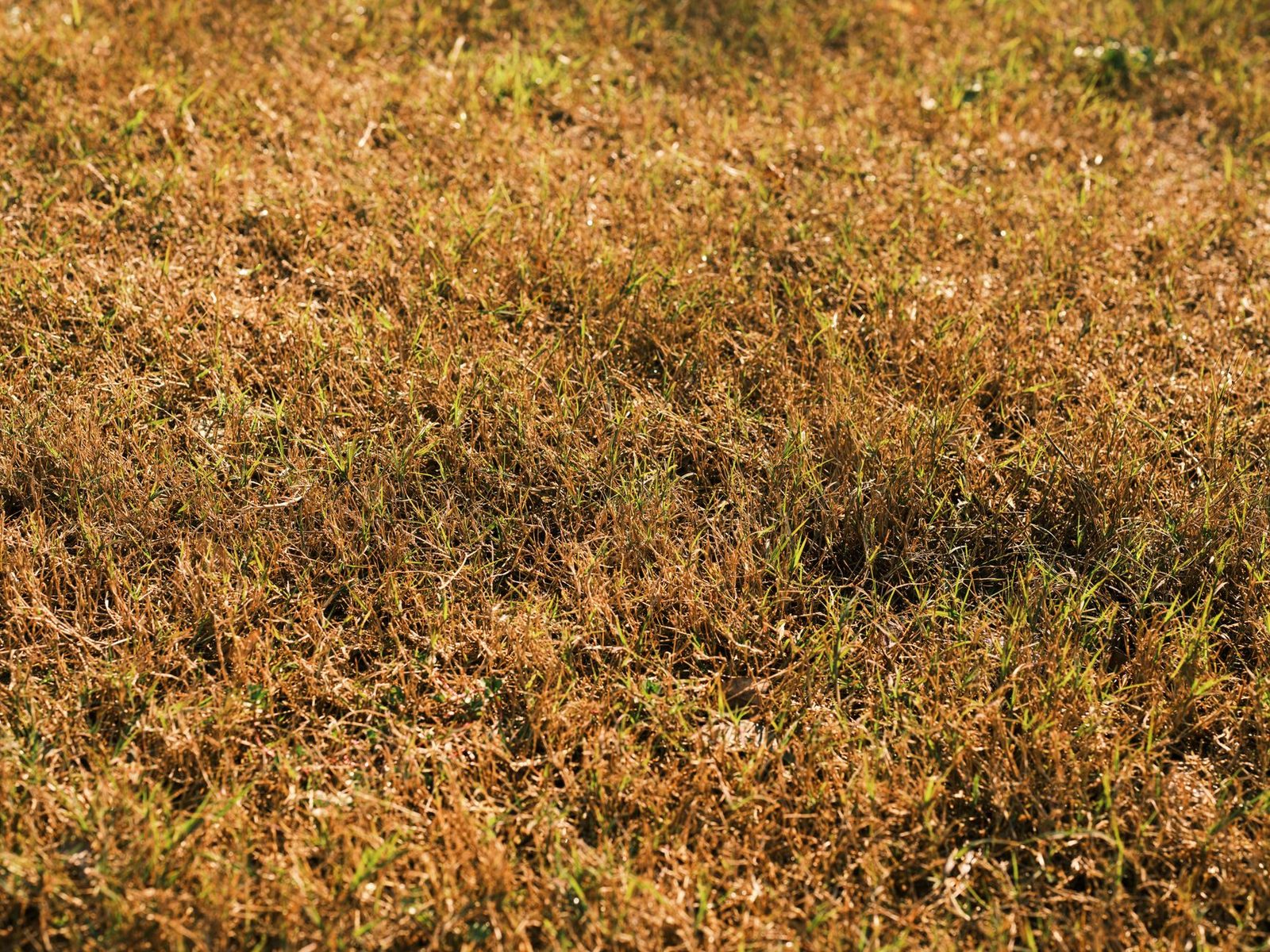
Shared lawns are harder to diagnose when a board, management company, or contractor controls the irrigation timer.
Board members and property managers often inherit a browning common area. They may not set the watering schedule day to day. A clear record of where and how the browning appears is a useful first step.
Gator Protection provides landscape maintenance for condo and apartment communities in Miami-Dade, including gated properties in Coral Gables. Related pages include condo landscape maintenance in Miami-Dade, apartment complex landscape maintenance, and gated community landscape maintenance in Coral Gables.
Our first consultation is free, confidential, and comes with no obligation to continue (consulta inicial gratuita, confidencial y sin compromiso).
If you’re trying to work out why the grass at your property is turning brown, reach out through our contact form, call the office, or request a quote. We can talk through what to check first.
Can an overwatered lawn turn brown?
Yes. Waterlogged soil can slow root function and leave blades brown even when the lawn looks wet.
How can you tell overwatering from underwatering?
Check the soil a few inches down. Soggy soil points to too much water, while dry, firm soil points to too little.
Does a brown lawn after rain mean overwatering?
It can, if the timer keeps running after rain. Review the schedule and soil moisture before making changes.
Have questions about what happened?
Ask our team directly. The first conversation is free, confidential, and there is no obligation to continue.
Signs Your Lawn Is Getting Too Much Water
Squishy or Soggy Soil
Soil that stays wet and gives underfoot, especially a few inches down, points to too much water.
Shallow, Weak Roots
Roots that stay near the surface or pull up easily can be a sign that the soil is staying saturated.
Yellow or Brown Patches
Blades that turn yellow or brown in spots, even while the lawn looks wet, may be a sign of stressed roots.
Fungus and Thin Growth
Moist, poorly drained areas often show fungal spots, thin growth, or a sour smell from the soil.
Watch for Overwatering Before the Damage Spreads
Wet soil does not always mean the lawn is getting enough water. Check soil a few inches below the surface before adding more water, and avoid running sprinklers on a set schedule regardless of conditions.
How to Tell Overwatering from Underwatering
Check the Soil
Dig a small hole or use a probe a few inches deep. Soggy soil points to too much water, while dry, firm soil points to too little.
Look at the Drainage
Puddles that linger after watering or areas that stay soft for days often signal poor drainage and excess moisture.
Review Your Schedule
Fixed watering schedules can keep soil saturated during cooler or rainy periods. Adjust timing based on conditions.
Watch the Grass Closely
Browning that appears with wet soil, along with thin or yellowing turf, is worth investigating before changing anything else.