
Landscape Services | South Florida
Mow Smarter, Not Just More Often: A South Florida Lawn Guide
Frequent mowing can help a lawn fill in, but only when it is done the right way. Here is what the science and daily lawn care tell us, and how our team approaches commercial turf across South Florida.
By Ryan Jurney · Published November 3, 2026
Does frequent mowing thicken grass? The short answer
Not by itself. Mowing more often does not add new grass plants or change how many plants fill your lawn. Density depends mainly on how the grass grows.
Think of mowing as a way to shape growth, not create it. A common-area lawn that looks thin usually has a growth problem, a light problem, or a stress problem. A cutting schedule can be part of the fix, but it’s rarely the whole fix.
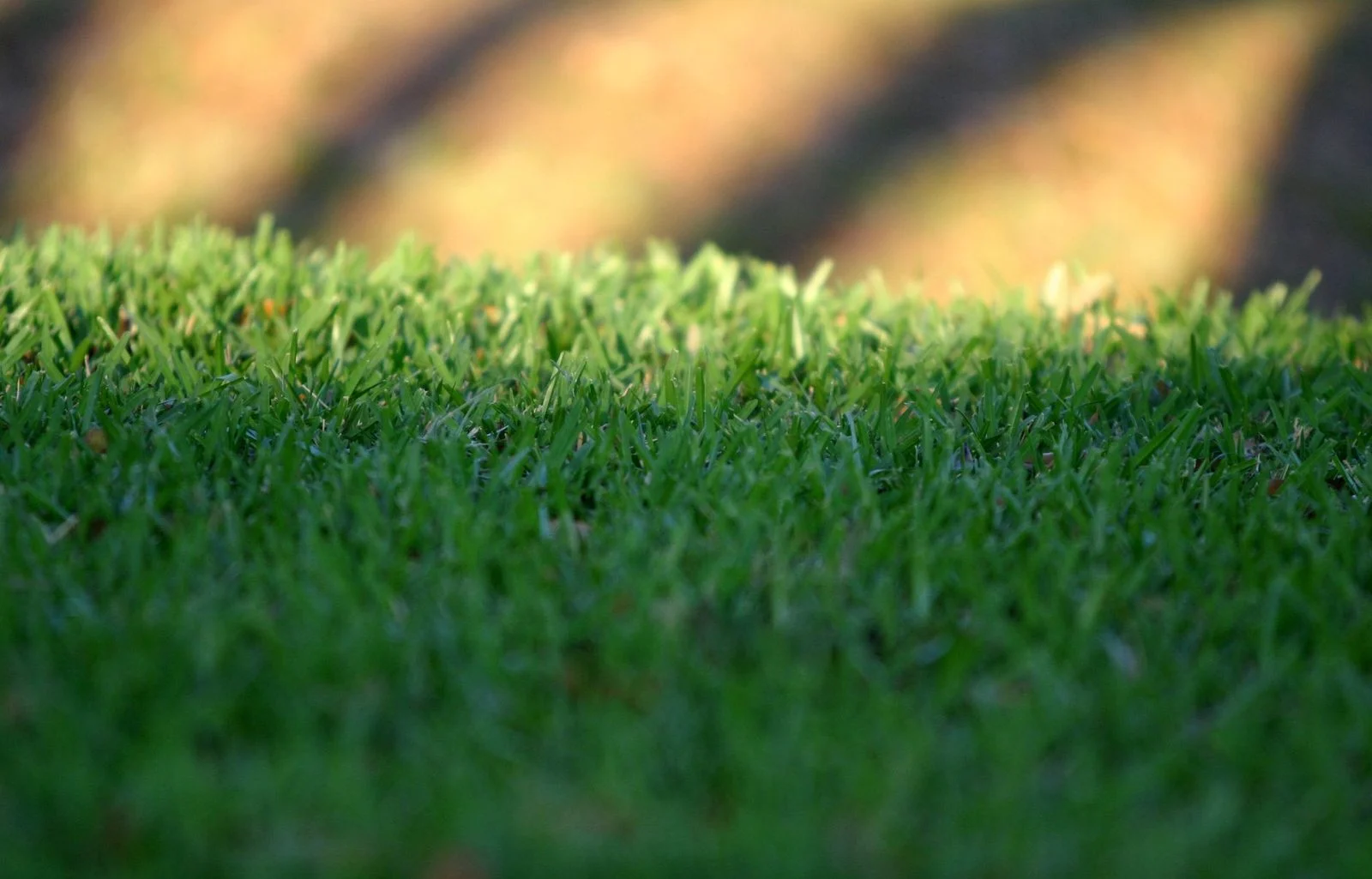
Frequent mowing can still keep turf looking dense. Long, floppy blades fall over and shade the leaves near the soil. Shaded leaves make less energy, so the lower lawn thins out. Regular cutting keeps blades upright and the canopy even.
This matters if you manage a condo or HOA property. Board members often see thin patches and assume the crew is cutting too little. The real answer is more specific, and the rest of this page explains it.
Not sure what your next step is?
Talk it through with our team — the first consultation is free, confidential, and carries no obligation.
How grass actually gets thicker: tillering and growing points
Grass gets thicker mainly through tillering. That’s when a plant sends out new shoots from its base.
Each shoot grows from the crown, the low, compact part of the plant at or just above the soil. New shoots fill gaps over time. Tillering is the main way a lawn fills in between existing plants.
The growing points sit low on the plant. When you trim only the tips of the blades, the growing points usually stay in place. They keep producing leaves. Cutting too low can remove them, which is why height matters so much.
Tillering needs three things: light reaching the base of the plant, enough water, and nutrients. A lawn with all three tends to fill in. A lawn missing one won’t, no matter how often it gets mowed.
Shade is a common reason a mowed lawn stays thin. Heavy shade from trees or buildings slows tillering. Soil compaction does too, because new shoots struggle to push through hard ground. Foot traffic in common areas often causes both problems at once.
Mowing height and the one-third rule matter more than frequency
Mowing height and the one-third rule usually affect density more than how often you cut. These are general horticultural guidelines, and they apply to most lawns.
The one-third rule says to avoid removing more than about one-third of the blade length in one mowing. Removing more forces the plant to rebuild its leaf area all at once. That weakens it.
Scalping means cutting so low that the mower removes much of the green tissue, and sometimes exposes soil. Scalped turf is stressed. Root growth slows, and the lawn can thin out over the season. Many scalped lawns look worse for weeks afterward.
The right height depends on the grass type. Species differ in their recommended ranges. Find out which grass is planted on the property, then set the mower to suit it.
Blade sharpness matters too. A sharp blade makes a clean cut. A dull blade tears the leaf and leaves ragged, brown tips. That damage makes thin turf look even more stressed than it is.
Is it better to mow more often?
It’s better to mow often enough to stay within the one-third rule. A fixed, frequent schedule is not the goal.
During fast growth, weekly cutting keeps each pass light. Each cut removes only a small amount, so the plant stays healthy. Cutting less often during that stretch means heavy cuts that stress the lawn.
Frequent cutting at the same height can encourage denser growth in some turf types. That works only when the rest of the conditions are good: water, nutrients, light, and a steady height.
Mowing too often at a very low height works against density. Each pass stresses the plant again before it recovers. The lawn stays short and sparse instead of filling in.
Frequency should follow growth rate. A lawn in warm, wet months needs more frequent cuts than the same lawn in a slower season. The practical check is simple. Look at the grass before each cut, not the calendar.
Have questions about what happened?
Ask our team directly. The first conversation is free, confidential, and there is no obligation to continue.
Is 2 weeks too long to cut grass?
Two weeks can be too long during peak growth, and fine during slow growth. The answer depends on how fast the lawn is growing right now.
In peak season, grass can grow well past one-third of its height in two weeks. A cut that large is hard on the plant. The lawn can look thinner for a while afterward.
In slower periods, two weeks may keep the grass within the one-third rule. Rainfall, temperature, and fertilizer all change how fast the lawn grows. So the same two-week interval can be right in one month and wrong in the next.
A calendar interval is less reliable than a height check. Measure the grass before each mowing. If it has grown more than the one-third rule allows, cut it sooner. If the grass is very tall, raise the deck for the first cut and lower it over the following cuts.
How long does it take grass to grow 3 inches?
The time varies by grass species, season, water, and nutrient supply. No single number applies to every lawn.
Warm, wet months in South Florida usually bring faster growth than cooler, drier periods. A lawn that grows quickly in July may barely move in winter.
Track growth on the actual property. A shaded area grows more slowly than a sunny strip beside it, even on the same schedule. Measure height in several spots and watch the trend over a few weeks.
Water rules shape growth, too. Plan irrigation within South Florida Water Management District irrigation rules, and let the watering schedule match the growth you measure.
Watering and feeding support a denser lawn
Deep, less frequent watering and steady feeding support denser turf better than light daily watering. Water deeply, then let the top layer dry a bit before the next run.
Deep watering encourages roots to grow downward. Deeper roots support a stronger plant. Shallow, frequent watering keeps roots near the surface, where they dry out quickly.
Consistent nutrition helps grass produce new shoots and recover from wear. The University of Florida IFAS GI-BMP program provides training and best management practices for landscape professionals on fertilizing, irrigation, and protecting water quality.
Water and mowing work together. Mow at the right height while the soil has enough moisture. Tillering then has the best chance to fill the gaps.
Want to know where you stand?
Tell us what happened and our team will walk you through the options available to you, at no cost.
Building a mowing schedule for condo common areas
A workable schedule checks grass height weekly in peak season. It then adjusts the interval to the growth rate. Start with the grass type and the set height.
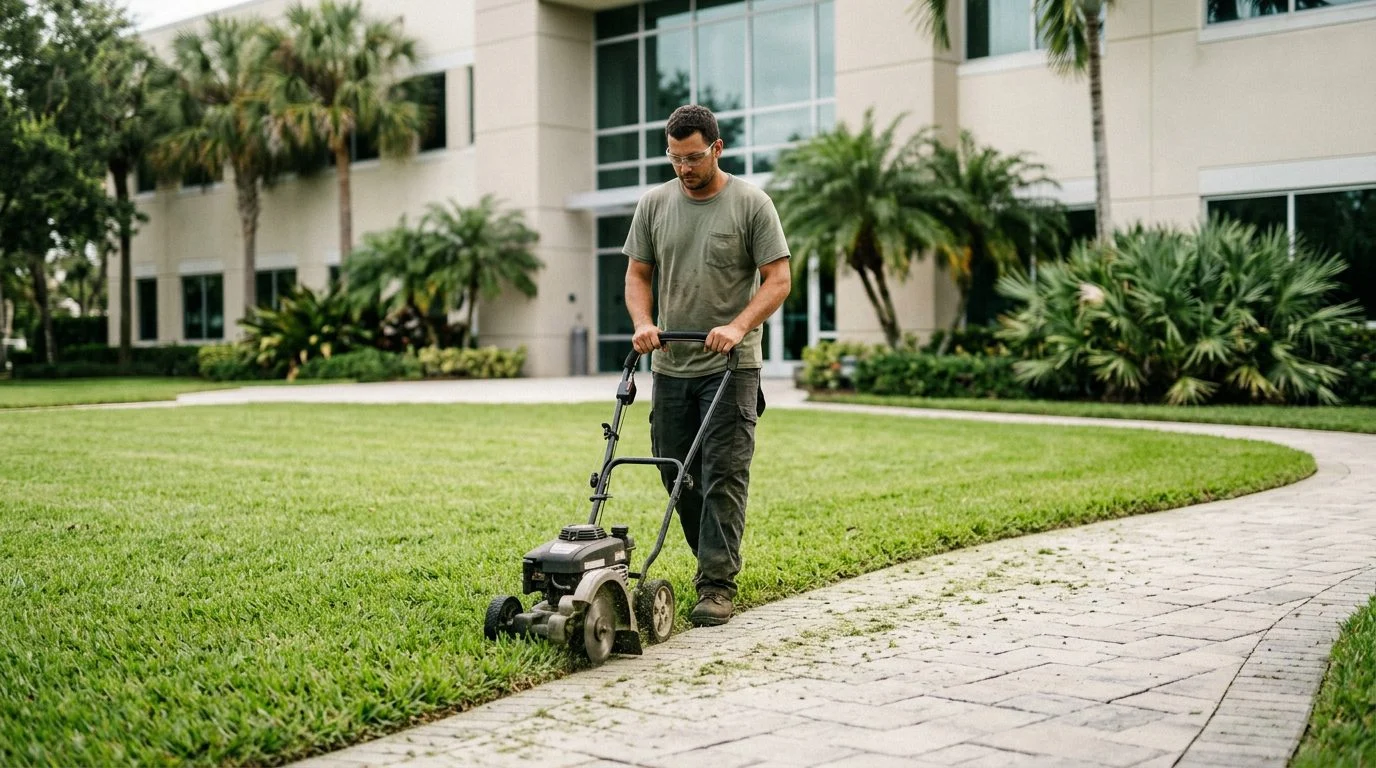
Measure before each cut. Use the one-third rule to decide when the next cut is due, not a fixed calendar. Remove heavy clumps of clippings, since they can smother turf. Edging keeps walkways and beds crisp, which makes thin turf look more intentional between cuts.
Frequently asked questions
Does mowing more often make grass thicker?
Not by itself. Frequent mowing helps when it keeps blades upright and within the one-third rule.
Is it better to mow more often?
It’s better to mow often enough to stay within the one-third rule for the current growth rate.
How often should you mow grass in South Florida?
There’s no single interval. Check the height before each cut, and let growth set the schedule.
If you’re reviewing thin turf across a condo property, you may be deciding whether the current schedule needs to change. That’s a hard call from a distance, especially when someone else maintains the lawn. Contact our team to talk through the property’s turf. Our free first consultation is confidential and comes with no obligation to continue.
Watch out: scalping
Cutting grass too short, or removing more than one-third of the blade height in a single mowing, stresses the plant. Stressed turf thins out, invites weeds, and can look worse even when it is mowed more often.
How we approach your grounds
Mowing matched to growth
We set cutting schedules around how fast your turf is actually growing, not a fixed calendar, so blades stay within the one-third guideline.
Right height for the grass type
We adjust mower height for the turf species on your property, since South Florida lawns vary widely from site to site.
Consistent scheduling
Predictable service visits keep commercial properties looking maintained through the rainy season and the dry months.
Confidential, no-obligation start
We offer a free first consultation that is confidential and comes with no obligation to continue.
Landscape and grounds services we provide
Landscape services
Routine mowing, edging, and turf maintenance for commercial properties throughout South Florida.
Pressure washing
Cleaning for walkways, entrances, and exterior surfaces that keep your property presentable.
Floor care maintenance
Regular care for commercial floors that supports a clean, safe environment for staff and visitors.
Day porter service
On-site support that keeps your facility clean and orderly throughout the business day.