
Landscape Services | South Florida
Brown Grass in South Florida? Find Out What Is Causing It and What to Do Next
Heat, drought, pests, and irrigation problems can all turn a lawn brown. Here is how to tell what is happening and how to start bringing your grass back.
By Ryan Jurney · Published November 3, 2026
How to treat grass that is turning brown starts with one question: is the grass dormant or dead? Brown color can come from water problems, heat, pests, disease, or mowing. Find the cause first, then match the treatment to it. This guide covers South Florida lawns, including the shared grounds of condo communities and apartment complexes.
Why Grass Turns Brown
Brown grass is a symptom, not a diagnosis. Several different problems can produce the same color, so the cause has to be identified before treatment.
The usual causes include drought stress and irrigation gaps, overwatering that keeps roots short of air, heat stress during peak summer, and fungal diseases such as brown patch. Insects like chinch bugs and grubs can also thin a lawn. Pet urine spots and scalping from mowing too low or with dull blades are common too.
South Florida adds its own twist. Sandy soils drain fast, so dry spots can appear within days of missed watering. During the rainy season, the opposite problem shows up when soil stays soaked. Check those rules before you change your schedule.
The pattern matters. A single brown spot often points to a local cause, such as a pet or a sprinkler head that doesn’t reach. Browning across a whole zone usually points to irrigation, mowing, or weather.
Not sure what your next step is?
Talk it through with our team — the first consultation is free, confidential, and carries no obligation.
Diagnose Before You Treat
Start by checking whether the grass is dormant or dead. Dormant grass is still alive and can come back. Dead grass has lost its roots and won’t recover on its own.
Use three quick checks. First, pull gently on a handful of blades. Dead grass often lifts out easily, while living roots resist. Second, scratch a blade or stem with your fingernail. Green tissue underneath means the plant is alive. Third, look at the crown, the base where blades meet the soil, and any runners. Live color there is a strong sign of recovery.
Then read the pattern. Circular patches with a darker border can suggest fungus. Irregular spots with chewed grass or sawdust-like debris can suggest insects. Sharp yellow-brown spots, sometimes with a green ring, can suggest pet urine.
Write down what you see and take photos over several days. Patterns become clearer over time, and photos help anyone who needs to review the problem later.
Can Brown Grass Be Saved and Turn Green Again?
Often, yes, if the crowns and roots are still alive. Dormant grass can recover once the stress is removed. Grass with dead crowns and roots generally will not regrow, and those areas need reseeding or sod.
Recovery depends on the facts of the lawn: how long the stress lasted, the grass type, and what caused the damage. Expect regrowth to be gradual, not sudden.
Watch for signs of life over the following weeks. New green shoots coming from the crown or runners are the clearest sign. Some blades greening up while others stay brown is also a good sign. Each area can respond differently, even within the same lawn. No one can promise a set timeline or full recovery, but removing the stress gives living grass its best chance.
Step-by-Step Treatment for Brown Grass
Treat the cause first, then support recovery with water, mowing, and feeding. Work through these steps in order.
- Correct irrigation. Water deeply and less often rather than shallow every day. Avoid overwatering that keeps the soil saturated.
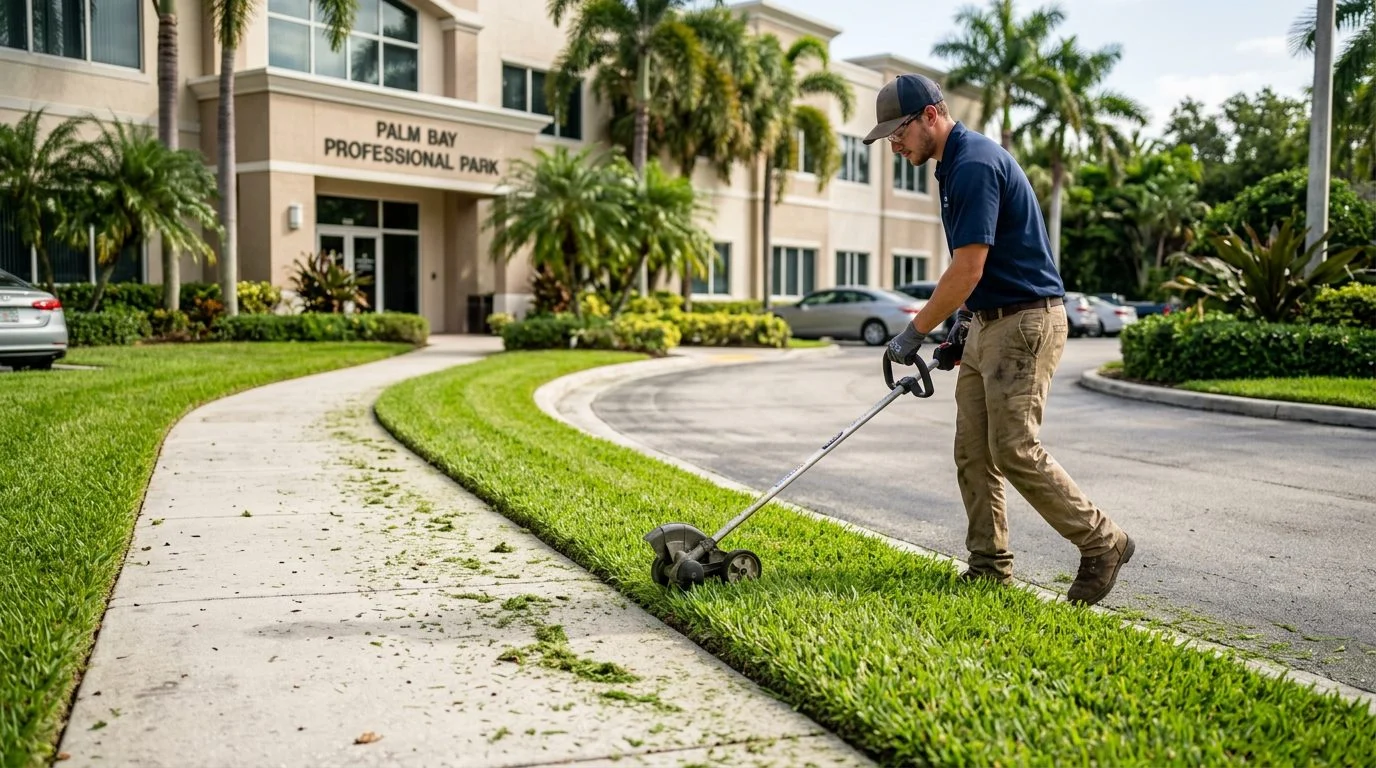
- Adjust mowing. Raise the mowing height and remove only a small part of the blade at a time. Keep blades sharp so cuts stay clean.
- Address thatch and compaction. Dethatching or aerating helps water and air reach roots when thatch or packed soil is heavy.
- Feed only when the grass can use it. Skip heavy fertilizing on heat-stressed turf.
- Treat the confirmed cause. Apply a fungicide or insecticide only after the problem is identified. Follow the label for rates, timing, and safety.
- Repair dead patches. Reseed or sod bare areas once the cause is under control and conditions suit the grass type.
Have questions about what happened?
Ask our team directly. The first conversation is free, confidential, and there is no obligation to continue.
Preventing Brown Grass on Shared Properties
A written maintenance schedule is the most practical way to prevent repeat browning on shared grounds. Shared lawns often have uneven sun, separate irrigation zones, and heavy foot traffic. That is why some areas brown before others.
A useful schedule covers irrigation checks, mowing height, seasonal feeding, and pest monitoring. Name who checks sprinkler heads and how often. Record the findings so each season starts with real information.
The landscape maintenance contract usually spells out these duties. Read it for who handles irrigation, pest control, and repairs. Clear responsibilities close the gaps where brown patches tend to start.
Training matters on multi-property grounds too. The UF/IFAS Green Industries Best Management Practices program trains landscape professionals on fertilizing, irrigation, and protecting water quality. Those three areas are the ones that most often decide whether a lawn browns or recovers.
Bringing a Brown Lawn Assessment to a Professional Team
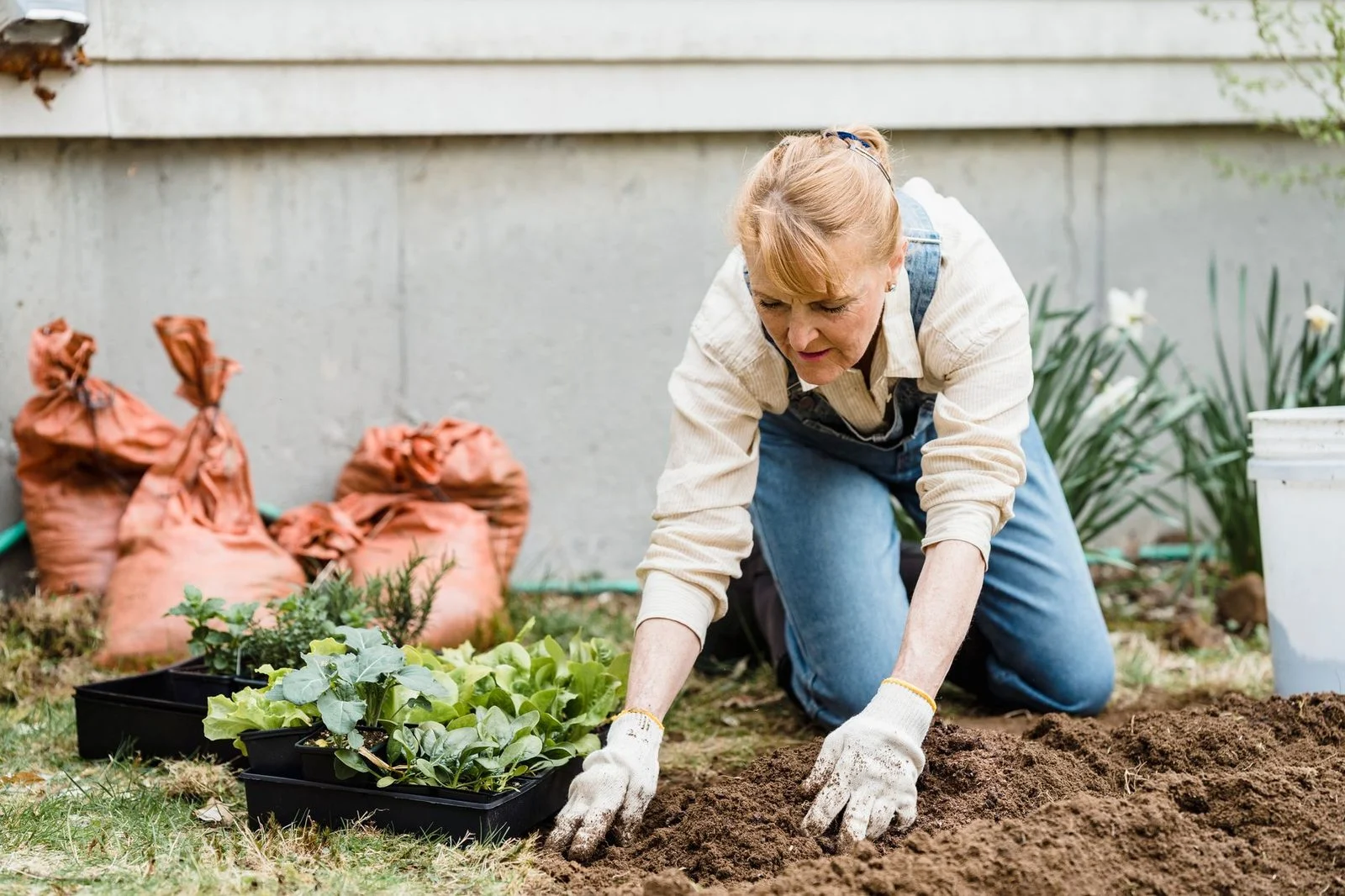
Many readers are dealing with brown grass on property they manage for someone else. A condo board member or property manager may not have chosen this problem. They may also lack the time to sort out its cause alone.
Frequently Asked Questions
Can grass that has turned brown be saved?
Often, yes, if the crowns and roots are still alive. Grass with dead crowns and roots generally will not regrow.
Will grass come back after turning brown from heat?
It can, when the grass is dormant and the stress eases. Regrowth is not guaranteed, and it takes time.
How do I make my grass green again?
Fix the cause first. Then water deeply, mow at the right height, and feed only when the grass can use it.
If brown grass is on the grounds you manage, our team can review the browning pattern, irrigation, and grounds schedule with you. Our landscape services overview covers the wider work. Our free first consultation is confidential, with no obligation to continue. Contact our team to start the conversation.
Why Property Managers and Owners Work With Gator Protection
A Dedicated Team
Our team handles commercial landscape maintenance across South Florida, from Miami-Dade and Broward to Palm Beach County.
Problems Diagnosed Early
We look at irrigation, soil, and turf health together so the cause is identified before the damage spreads.
Consistent Scheduled Care
Regular mowing, watering checks, and upkeep help keep lawns from declining through the hot, wet season.
Clear Communication
We explain what we see on your property and the options available, in plain language.
Avoid Common Mistakes
Do not respond to brown grass by watering heavily every day or applying extra fertilizer or herbicide right away. Excess water can promote disease and shallow roots, and fertilizer on stressed turf can burn it further. Check the cause first.
A Practical Approach to Recovering Brown Grass
1. Check the Roots and Crowns
Pull up a few sections and look for white or firm roots and green crowns at the base of the blades. Healthy tissue means recovery is more likely.
2. Review Your Watering
Confirm that sprinklers are reaching every zone and that the lawn gets a deep, less frequent soaking rather than daily shallow watering.
3. Look for Pests and Disease
Chinch bugs, grubs, and fungal patches can cause brown areas that look like drought. Pests often show irregular patches with a clear edge.
4. Schedule a Professional Assessment
A free first consultation, confidential and with no obligation, lets our team review your property and recommend next steps for your grass.
Get a Free First Consultation for Your Lawn
Want to know where you stand?
Tell us what happened and our team will walk you through the options available to you, at no cost.
Related practice areas
- Condo Landscape Maintenance Contracts in Miami-Dade: Scope, Visit Frequency and Pricing Structure
- Apartment Complex Landscape Maintenance in Miami-Dade: Grounds Scope for Multi-Building Properties
- Will Grass Come Back After Turning Brown? | South Florida