
Landscape Services | South Florida
Will Grass Come Back After Turning Brown?
Brown lawns are not always dead. Learn how to tell dormant turf from dead grass, and when patching or resodding makes more sense for your property.
Start with a free first consultation
Free
First consultation, confidential and with no obligation to continue
South Florida
Miami-Dade, Broward and Palm Beach counties
By Ryan Jurney · Published November 3, 2026
Will Grass Come Back After Turning Brown?
If you're weighing whether to wait or act on a browned lawn, you don't have to sort it out alone. Talk it through with our team — the first consultation is free, confidential, and carries no obligation.
Short answer: brown does not always mean dead
Will grass come back after turning brown? Often, yes. Browned grass is frequently dormant, which means the blades have died back while the crown and roots are still alive. Once moisture and warm weather return, dormant turf can green up again. Grass that is truly dead, with its crowns and roots killed, will not recover on its own.
Many browned lawns are not a total loss. That’s good news, but it also means the wrong response can waste time. Waiting too long on dead areas, or ignoring the cause of the stress on dormant ones, can slow down recovery. The rest of this page shows you how to tell which situation you have.
Dormant grass vs. dead grass: how to tell the difference
Dormant grass is usually tan or straw-colored, and the blades may curl. Dead grass often looks gray or black and may feel hollow. Color alone isn’t enough, so run a few simple checks in several spots across the lawn.
The tug test. Gently pull on a small cluster of blades. Dormant grass usually stays anchored in the soil. Dead grass often lifts out with little resistance.
The scratch test. Lightly scrape a brown blade or stem with your fingernail. Green tissue underneath suggests the plant is alive. Dry, brittle tissue all the way through suggests it is not.
Check the crown. The crown is the growing point at the base of the plant, where the blades meet the soil. Look for green color or firmness there. Stolons, the above-ground runners, can also show signs of life.
Check the soil. Moist soil and healthy roots below support recovery. Dry, hard soil with few or no roots is a warning sign.
Common causes of browning in South Florida lawns
Browning usually traces back to a stress the turf could not handle.
The most common causes include:
- Drought stress during hot, dry stretches.
- Irrigation problems, such as uneven coverage, clogged or misaimed heads, or run times that soak some zones while missing others.
- Overwatering, which can leave soil saturated and roots short of air.
- Heat stress, compacted soil, pest or fungal activity, and heavy foot traffic on the same paths.
Irrigation is often the easiest cause to check. Walk the lawn while the system runs. Look for dry spots, puddles, or heads that spray the sidewalk instead of the grass.
Identifying the cause matters. If browning continues after the cause is corrected, the damage may go deeper and need a different response.
Not sure what your next step is?
Talk it through with our team — the first consultation is free, confidential, and carries no obligation.
What recovery looks like and what to expect
Recovery starts with fixing the cause. Adjust the irrigation, ease off watering if the soil stays soggy, and relieve compaction where foot traffic packs the ground. The UF/IFAS Green Industries Best Management Practices program is a state-recognized training program for landscape professionals that covers fertilizing, irrigation, and protecting water quality.
Dormant turf needs steady moisture and warm conditions to start producing new green growth. The timing varies with the grass type, the weather, and how much damage the lawn took. Don’t expect every area to green up at once.
Patchy recovery is normal. Some areas green first while others lag behind. Judge the lawn over several weeks, not a few days. Areas where the crowns and roots died may need patching, overseeding, or resodding after the cause is fixed.
When a professional assessment makes sense
A professional inspection helps separate dormant turf from dead turf across a large area. Walking a big property by eye makes it easy to miss a pattern, especially when the brown spots are scattered.
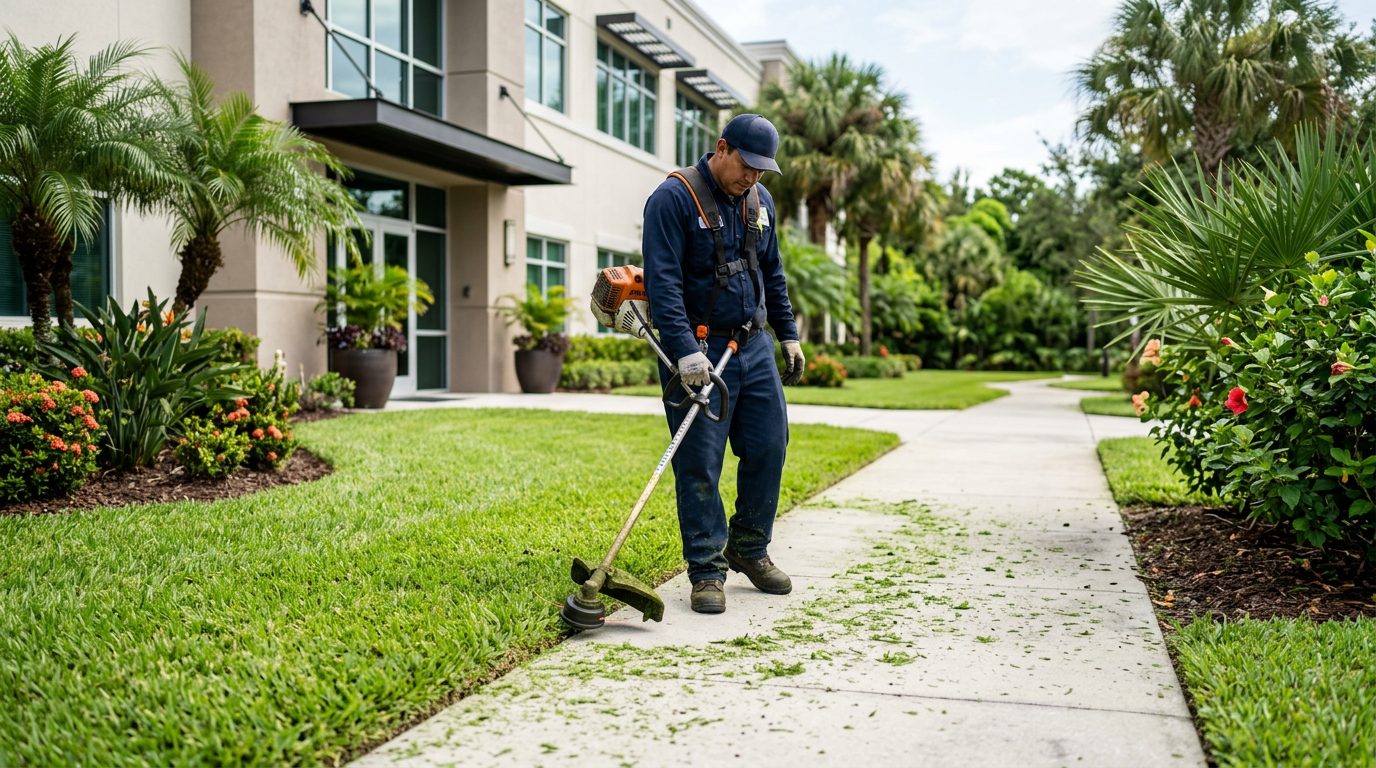
Condo associations and property managers often need more than a quick look. They need a written plan covering several zones, irrigation checks, and a schedule that fits the community’s routine. Ongoing landscape maintenance can also catch watering and irrigation problems early, before they turn into large patches.
Gator Protection, Inc. provides landscape services throughout South Florida. Our team can look at the lawn, explain what the signs mean for your property, and outline your options.
Talk with Gator Protection about your browned lawn
You may be the person who noticed the brown patches. You may also be the one who has to decide whether to wait, adjust the irrigation, or bring in help. That decision carries weight when a board, tenants, or residents are watching the lawn every day.
Can grass that has turned brown be saved?
Often, yes, if the crowns and roots are still alive. Dead areas usually need patching, overseeding, or resodding.
Can dead grass be watered back to life?
Watering alone will not revive grass whose crowns and roots are dead. Watering can help dormant turf.
Does brown grass always mean the lawn is dead?
Not always. Many brown lawns are dormant, and the tug and scratch tests help tell them apart.
Our free first consultation is confidential and comes with no obligation to continue. If you’re weighing whether to wait or act on a browned lawn, you don’t have to sort it out alone. Fill out our contact form or call our office to request a free quote and arrange a lawn assessment for your property.
Have questions about what happened?
Ask our team directly. The first conversation is free, confidential, and there is no obligation to continue.
What Our Team Looks at on Brown Turf
Crown health
The crown is the growing point at the base of each plant. Living crowns are the first sign that grass can recover.
Root condition
Healthy roots are firm and light-colored. Roots that are dark, mushy or pull away easily often indicate dead turf.
Dormancy versus damage
Dormant turf can green up again once conditions improve. Dead areas usually need patching, overseeding or resodding.
Timing of the response
Waiting to see whether brown areas recover can help, but prolonged stress may make recovery harder.
Watering alone may not bring dead grass back
Extra water can help dormant turf, but it will not revive grass whose crowns and roots are already dead. Check the base of the plants before changing your irrigation schedule.
Simple Checks Before You Decide
Pull a few blades
Gently tug on brown grass at the soil line. Firm resistance and roots that hold can suggest the plant is still alive.
Look at the crown
Cut or peel back the base of a plant. Green or white tissue points to life, while dry, brittle tissue points to damage.
Map the brown areas
Note whether damage is scattered or in large patches. Scattered dormancy often recovers on its own, while large dead areas may need repair.
Plan the repair
Once you know which areas are dead, patching, overseeding or resodding can restore uniform coverage across the property.
Not sure whether your lawn can recover? Our team is ready to take a look.
Related practice areas
- Condo Landscape Maintenance Contracts in Miami-Dade: Scope, Visit Frequency and Pricing Structure