
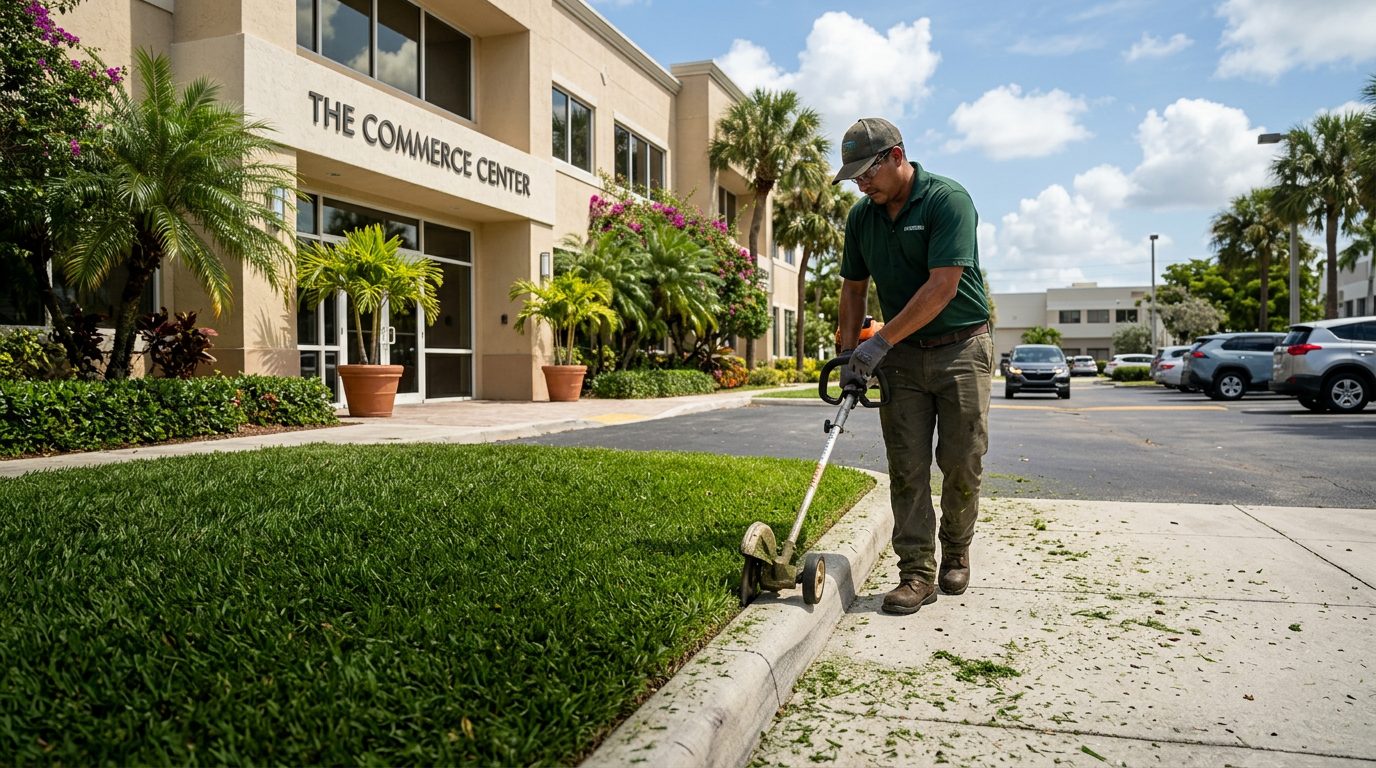
Landscape Services | South Florida
Keep Your Retail Storefront Looking Its Best, Every Week
Curb appeal drives foot traffic, and a well-kept entrance tells shoppers what to expect inside. Here is how to plan landscape care that fits a retail property.
Why Retail Properties Need a Planned Landscape Program
First Impressions
Shoppers judge a store from the parking lot. Tidy beds, edged walks, and clean signage areas support the brand you have built inside.
Scheduled Upkeep
Regular visits keep turf, shrubs, and planting areas on a predictable routine, so busy store hours are not disrupted by emergency work.
Site-Specific Plans
Entrances, drive-thru lanes, loading zones, and rear service areas each need different attention. A plan built around your property covers all of them.
By Ryan Jurney · Published November 21, 2026
Your store’s grounds need steady care, and someone has to be chosen to provide it. This guide shows you what to request so every bid covers the same work.
The short answer: define your scope, schedule, and pricing terms, then contact Gator Protection, Inc. to review them in writing. That is how to buy landscape maintenance for a retail store on fair terms.
What Commercial Landscape Maintenance Means for a Retail Store
Commercial landscape maintenance is recurring, scheduled care of the outdoor areas around a store. It covers turf, planting beds, shrubs, trees, and hard surfaces such as walkways and parking lot edges.
Procurement managers, facilities managers, and property managers usually make this decision. Some oversee one store. Others oversee several locations in Miami-Dade, Broward, or Palm Beach County.
Retail sites differ from office grounds in a few ways:
- Storefront visibility: entries and signs must look clean and cared for every morning.
- Sightlines: shrubs near signs and doors must stay trimmed so customers can see the store.
- Heavy foot traffic: edges, planters, and walkways wear faster.
- Deliveries and loading: dumpster and dock areas need debris control and clear access.
Gator Protection also provides day porter service, floor care maintenance, and pressure washing. One provider can cover shared store areas like entries and walkways.
If you inherited grounds care for a store you didn't choose to manage this way, call our office or request a free quote, and we'll walk through your site with you. Talk it through with our team — the first consultation is free, confidential, and carries no obligation.

What the Scope of Work Should Cover
A scope of work lists each task, how often it happens, and the standard it must meet. Vague wording like “keep grounds neat” gives you no basis for comparing bids.
Ask that the scope include:
- Mowing, edging, and trimming, with a stated frequency and mowing height.
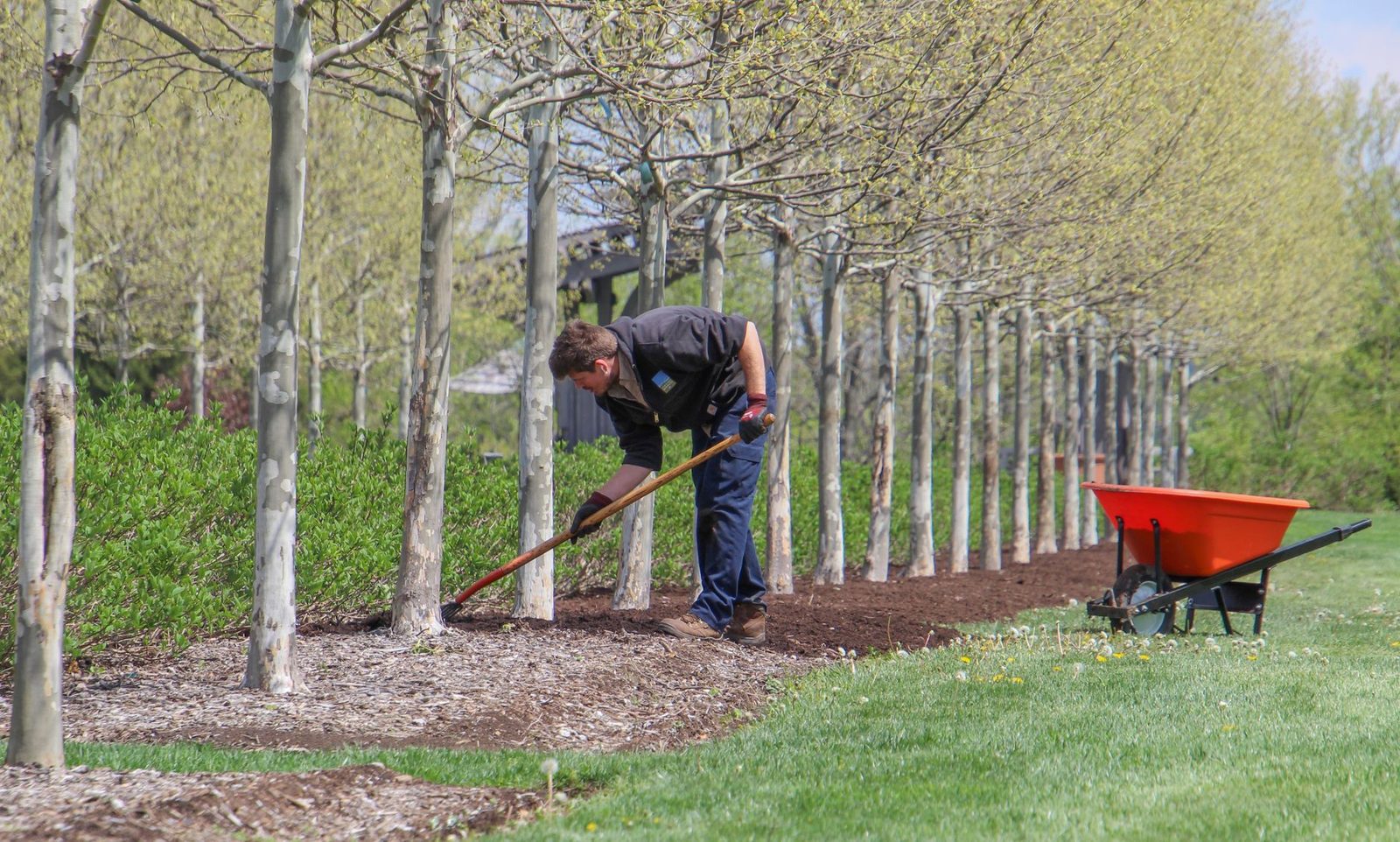
- Shrub and hedge pruning, bed weeding, and mulch replacement on a set schedule.
- Fertilizer and weed or pest control, with the provider handling and storing its products.
- Irrigation inspection with written reports on zones, leaks, and clogged heads.
- Debris removal, leaf cleanup, and cleanup after storms.
- Site-specific items such as entry planters, sign areas, and the ground around dumpsters and loading docks.
- A service calendar showing weekly, monthly, and seasonal tasks, plus how extra work is requested and priced.
Irrigation needs its own line. Ask how often the provider inspects each zone and what it reports. Florida’s water conservation guidance covers landscape irrigation practices you can check against.
Documents and Proof to Request Before You Compare Bids
Ask Gator Protection, Inc. for written details on licensing, insurance, and staffing when you contact our team. Each item below shows the provider can do the work as written.
- A written scope tied to your site map, with task frequency and response times.
- Proof of business registration and any license the work requires.
- Certificates of insurance naming your organization as your risk policy requires.
- An equipment and staffing plan: who is on site, how crews are supervised, and who your point of contact is.
- Ask our team whether references from comparable commercial properties can be shared.
- A sample service report and photo documentation format.
- Pricing split into base maintenance, seasonal work, and add-on items.
- Chemical safety details.
How the Process Typically Works, Step by Step
The process usually moves from a first call to a site walkthrough, a written proposal, a review, and a start date. Here is what to expect at each step.
- First call: You describe the store, the site size, and the problems you’re seeing now.
- Walkthrough: The provider measures beds and turf, notes irrigation zones, and flags drainage or safety issues.
- Written proposal: You receive the scope, schedule, pricing structure, and contract terms.
- Review: You ask questions and request changes to the scope before signing.
- Transition: You set a start date, introduce the crew, and agree on a first-visit checklist.
- Ongoing service: The provider runs periodic site reviews and sends written reports.
Timelines vary with site complexity and crew scheduling. Ask for the timeline in writing with every proposal.
How to Compare Proposals and Avoid Common Gaps
Build your decision around the scope you have defined, not only the lowest total. A cheap bid that leaves out irrigation checks or storm cleanup will cost you later.
- Check for missing items: irrigation checks, seasonal cleanups, and debris removal after storms.
- Confirm extra work pricing: get written rules for extra visits, scope changes, and emergency work.
- Ask how problems get fixed: find out how service issues are reported, how fast the provider responds, and how it corrects them.
- Ask about access and timing: cover site access, after-hours work, and coordination with store hours and deliveries.
Why Work With Gator Protection, Inc.
Gator Protection, Inc. provides commercial janitorial and commercial landscape maintenance, so grounds and shared indoor or entry areas can sit under one provider.
- Coordinated services: landscape work can be scheduled alongside pressure washing and floor care maintenance for shared store areas.
- Daytime coverage: day porter service handles daytime cleaning and spill response.
- Support staff: our support staff handles scheduling, documentation, and point-of-contact communication for your store.
- Service areas: we serve South Florida, including Miami-Dade, Broward, Palm Beach, South Beach, Coral Gables, and Brickell, plus parts of Atlanta, Georgia.
Use the checklist in this guide on our proposal, and ask us to answer each line in writing.
Not sure what your next step is?
Talk it through with our team — the first consultation is free, confidential, and carries no obligation.
Frequently Asked Questions
What is landscape maintenance?
It is recurring care of plants, turf, and grounds on a set schedule. It is different from one-time installation.
How do I know which tasks to include?
Walk the site and list every outdoor area that customers, staff, and deliveries touch.
Should I ask for a sample report?
Yes. Ask to see the format before you sign so you know what you’ll receive.
What if the store has irrigation problems?
Put irrigation inspection and written reporting in the scope, along with a written process for approving repairs.
Can one proposal cover more than one store?
Yes. Ask for a site-by-site schedule and one consolidated pricing summary.
Talk With Our Team About Your Store’s Grounds
If you inherited grounds care for a store, or you’re replacing a current vendor, you need a clear basis for comparison. Store openings, delivery schedules, and complaints about the entryway don’t wait for paperwork.
Our first consultation is free, confidential, and carries no obligation to continue. La consulta inicial es gratuita, confidencial y sin compromiso de continuar.
Call our office, fill out the contact form, or request a free quote, and we’ll review your store’s site with you.
How to Buy Retail Landscape Maintenance
1. Map Your Outdoor Areas
List the parking lot islands, entrance beds, lawns, signage zones, dumpster enclosures, and delivery paths that need regular care.
2. Define the Tasks and Frequency
Decide which jobs recur, such as mowing, edging, pruning, weeding, and debris removal, and how often each should happen.
3. Set Visit Times Around Store Hours
Agree on when crews will arrive so work is done safely and does not interfere with customers or deliveries.
4. Review a Written Proposal
Look for a clear scope, a visit schedule, and a plain description of what is included and what is billed separately.