
Day Porter Service | South Florida
Day Porter Training That Keeps Your Building Ready Every Shift
Here is how to think about training a day porter team, from the tasks on the schedule to the products and equipment used throughout the day.
By Ryan Jurney · Published November 10, 2026
If you sit on a condo board or manage an apartment building, you may be asking what your day porter really needs to know.
A day porter needs training in building orientation, resident communication, workplace safety, chemical handling, and any floor, landscape, or pressure washing tasks they are assigned. This guide covers each area by job duty, so you can check what your porter should be trained to do.
What Does Day Porter Work Involve in a South Florida Condo or Apartment?
Day porter work is a daytime, on-site role that keeps lobbies, elevators, hallways, pool decks, and other common areas clean and presentable.
The job has two parts. The first is scheduled rounds. That means emptying trash room bins, wiping handrails, checking restrooms, and sweeping entries. The second is quick response. A resident spills coffee in the lobby, a package cart blocks a corridor, or a manager asks for the pool deck to be cleaned before a tour. A good porter handles both without losing track of the rounds.
The role changes with the building. A high-rise with a front desk follows a different pattern than a garden-style complex with separate buildings and courtyards. The association documents or lease rules also shape what a porter may touch and what belongs to the manager.
For a board member or manager, training starts with a written duty list. Without one, nobody can tell whether a porter is trained for the work they actually do.
If your building's porter training feels unclear after a complaint or an incident, reach out so we can talk through your building's needs. Talk it through with our team — the first consultation is free, confidential, and carries no obligation.

How Is a Day Porter Different From a Janitor?
A day porter is visible to residents and handles upkeep as problems come up. A janitor often follows a set cleaning schedule.
That difference changes the training. A porter needs courtesy, a calm way to handle a complaint, and the judgment to call the manager instead of guessing. A janitor’s training leans toward cleaning procedures, product use, and working a fixed route efficiently (ISSA cleaning industry standard).
Many buildings need both roles. Trouble starts when the scope is vague. Tasks fall between the two jobs, and the trash room gets skipped because each worker assumes the other one has it.
Write down which tasks belong to the porter, which belong to the cleaning crew, and which go to the manager. Then train to that list.
What Core Training Should Every Day Porter Have?
Every day porter should be trained in four core areas: the building, residents, workplace safety, and emergencies.
Building orientation. The porter should know the floor plan, where water and electrical shutoffs are, amenity hours, and the rules for packages and trash rooms. A porter who knows the building can answer a resident’s question without guessing.
Resident communication. The porter should handle complaints politely, pass serious issues to management quickly, and respect privacy in units and hallways.
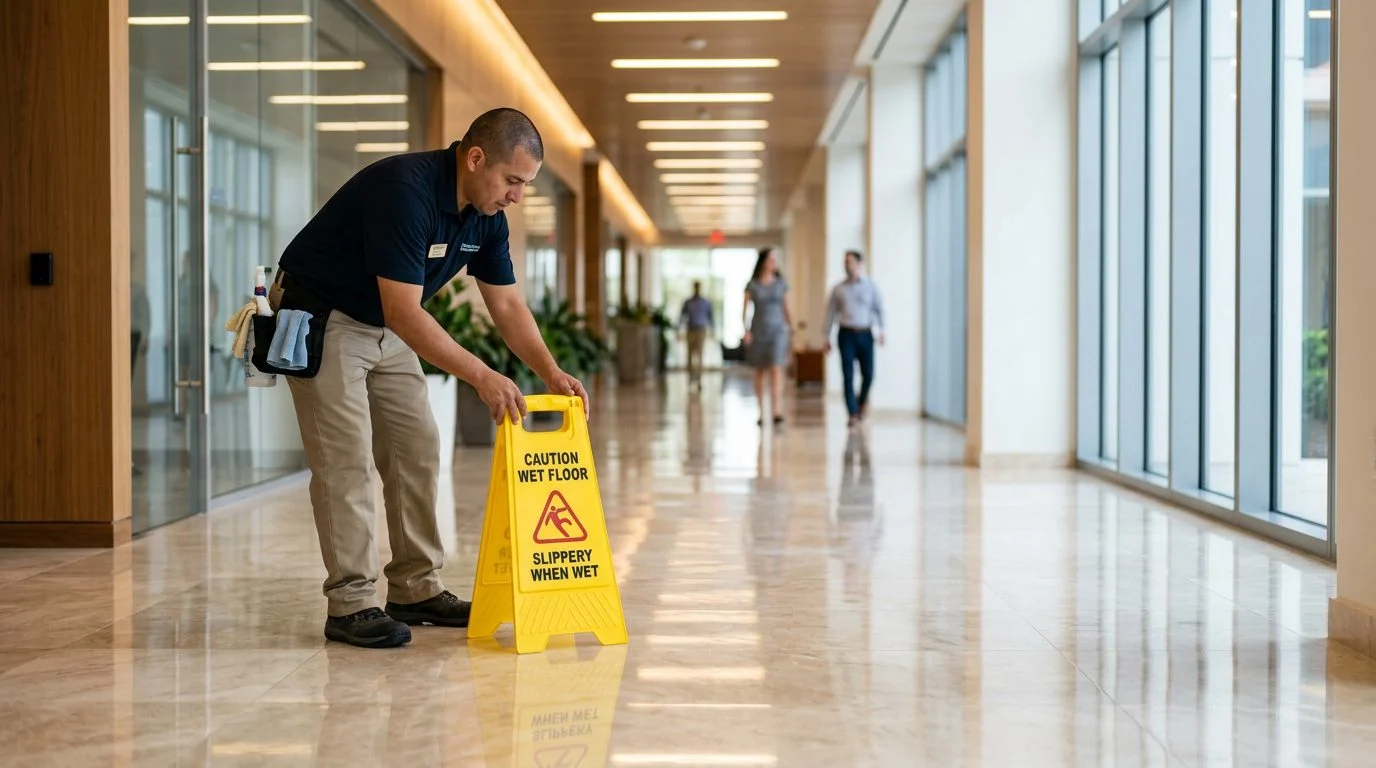
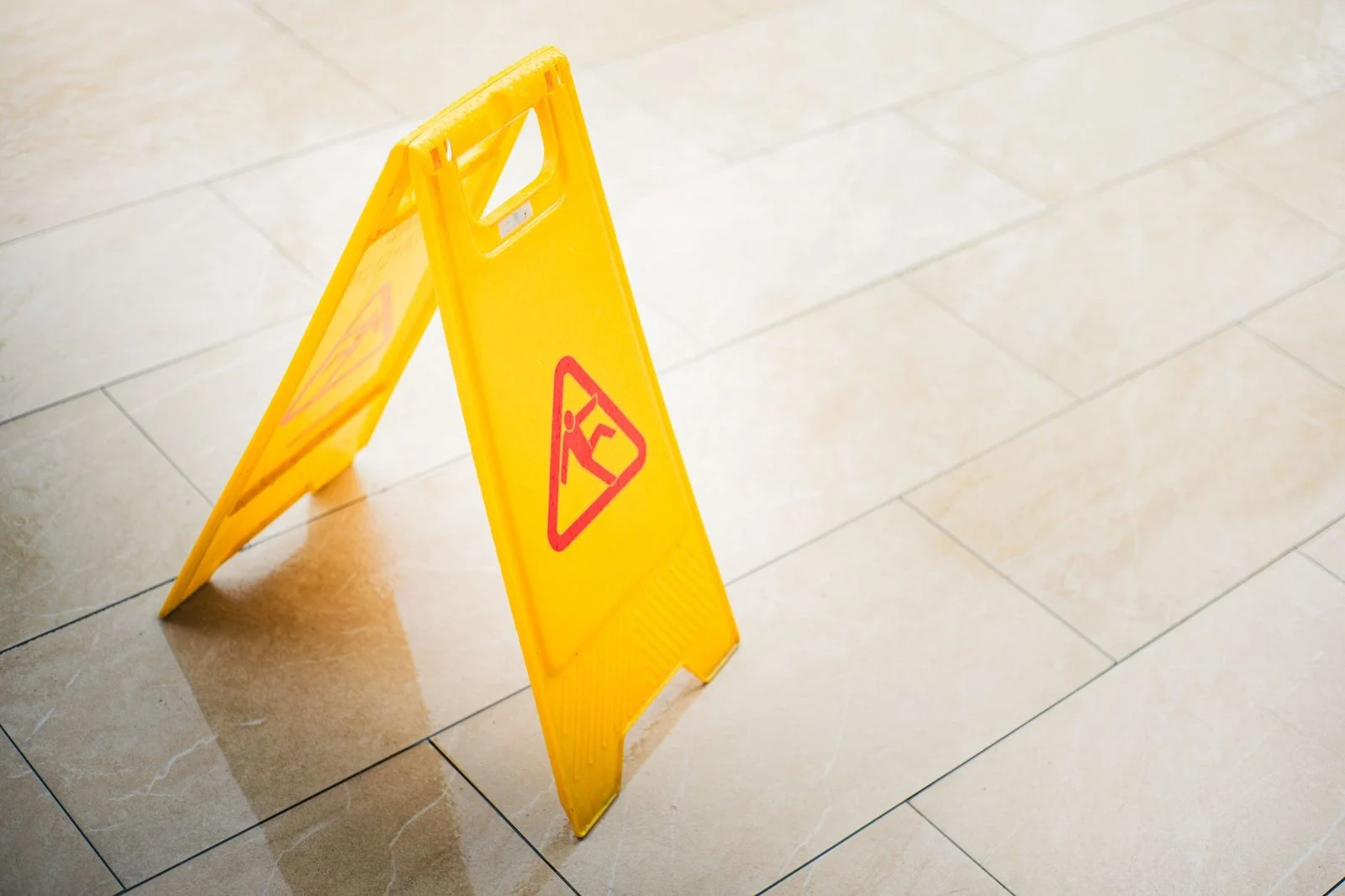
Basic workplace safety. Training should cover wet-floor signs, safe lifting, ladder and cart use, and when to stop work and report a hazard (OSHA employer responsibilities).
Emergency awareness. The porter should know who to call, where emergency contacts are posted, and what to report after an incident.
What Chemical Safety Training Does a Day Porter Need?
Knowing how to handle the chemicals used at work is a useful part of any cleaning job.
Training for a porter should cover:
- Reading product labels and Safety Data Sheets
- Knowing which chemicals the porter actually uses
- Storing products correctly and apart from each other
- Diluting products as the label directs
- Never mixing products, such as bleach and ammonia-based cleaners
- Wearing the protective gear each product calls for
- Handling spills and exposures and reporting them to the manager
What Should a Porter Know About Floor Care, Landscape, and Pressure Washing?
A porter needs to know the surface they are cleaning, the equipment they run, and which tasks belong to someone else.
South Florida buildings often have tile, terrazzo, marble, and luxury vinyl tile. Each surface needs its own method and product. A harsh product that works on tile can dull marble. Floor machines and wet-floor controls need safe-operation training. Floors must dry before people walk on them (walking-working surfaces standard).
For landscape work, a porter can keep walkways and entries clear and remove debris. A plant, irrigation, or tree problem should go to the property manager, not be guessed at (SFWMD irrigation rules).
For pressure washing, pressure and nozzle choice matter. High pressure can damage stucco, painted surfaces, balcony finishes, and sealants. Keep water and equipment away from outlets and electrical components.
Training should state what the porter may do and when the manager decides the next step.
How Should Porter Training and Daily Work Be Documented?
Keep daily logs, task checklists, and incident notes so the board or manager can see what was done and what still needs attention.
A simple log lists the date, the area, the task, and the worker’s initials. Photos help when a spill, stain, or damage needs a record. For an incident, record the facts, the time, the people involved, and who received the report. Write it the same day, while details are fresh.
For an apartment building other than a single-family home or duplex, the landlord must, unless agreed otherwise in writing, make reasonable provisions for the clean and safe condition of common areas. See Fla. Stat. § 83.51.
Ask for the porter’s training record and how it stays current.
Not sure what your next step is?
Talk it through with our team — the first consultation is free, confidential, and carries no obligation.
Talk With Gator Protection About Your Building’s Day Porter Training
If you’re reviewing a porter’s training after a complaint or incident, a conversation can help you sort out what to change.
Maybe you inherited a porter program you did not design. Maybe a recent complaint has the board asking hard questions. Maybe you’re wondering whether current training is enough. Any of those is a fair reason to take a closer look.
Gator Protection, Inc. provides day porter service, floor care maintenance, landscape services, and pressure washing across South Florida. Our team can talk through your building’s needs and how those services fit your duty list. We offer a free first consultation that is confidential and comes with no obligation to continue.
To start that conversation, use our contact form. For the full scope of our work, see day porter service.
Frequently Asked Questions
How should a day porter handle cleaning products?
Day porters work with cleaning products throughout the shift, so clear, practical instruction on their use is part of the job. Clear instruction on the cleaning chemicals used during a shift is a practical part of a safe workplace.
Who decides whether a task belongs to the porter?
The building’s written duty list should say so, and the property manager or board sets that list.
Why Work With Gator Protection
Day Porter Coverage
Our day porter service keeps common areas, restrooms, and entrances presentable during business hours, when tenants and visitors notice most.
Clear Task Expectations
We focus on written duties and practical instruction so every porter knows what is expected on each shift.
One Team, Several Services
Floor care, landscape services, and pressure washing are available alongside day porter work, so your property has a single point of contact.
South Florida Service Area
We serve Miami-Dade, Broward, and Palm Beach counties, including South Beach, Brickell, and Coral Gables.
Free First Consultation
Our free first consultation is confidential and comes with no obligation to continue.
Do Not Assume a Porter Already Knows the Building
Products, equipment, and areas differ from one property to the next. Confirm training on each site before a porter works alone, and update it when the building or its duties change.
Core Areas Covered in Porter Training
Cleaning Products and Safety
Porters work with cleaning products throughout the shift. Clear instruction on storage, mixing, and use keeps the workplace safer for everyone.
Duty Lists and Responsibilities
A written list of tasks makes it clear who handles restrooms, lobbies, trash areas, and other recurring work.
Floor Care Basics
Sweeping, mopping, and routine maintenance each need the right tools and method for the surface being cleaned.
Outdoor Work and Pressure Washing
Equipment handling, water pressure, and the surfaces being cleaned all call for training before a porter operates the equipment alone.
Get Your Free First Consultation: Confidential, With No Obligation to Continue
More of our services
- Day Porter Service in Miami-Dade
- How a Condo Manager Can Document Day Porter Work for a Board Meeting
- Day Porter Service in South Florida
- Day Porter Service for South Florida Properties