
Pressure Washing | South Florida
Keep Your Deck Looking Its Best Between Cleanings
Learn which warning signs tell you it is time to clean, and how a careful approach protects the wood.
By Ryan Jurney · Published November 21, 2026
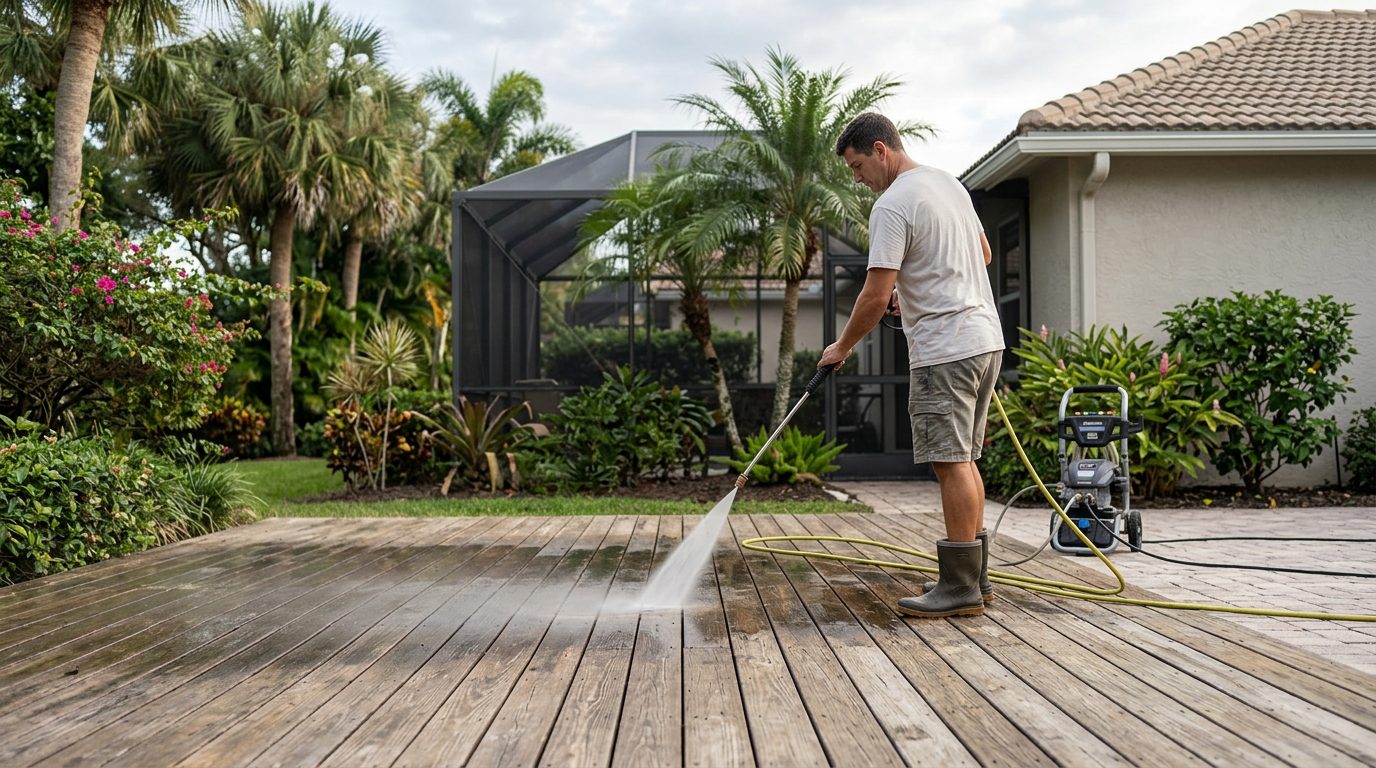
How often should you power wash your deck? Most decks need a full cleaning about once a year, and their condition should set the timing. In South Florida, humidity and wet-season rain can call for cleaning sooner.
Quick answer: how often most decks need power washing
For planning, many owners schedule a full deck cleaning once a year and check the surface each season. That is a starting point, not a promise. The right interval depends on the deck’s material, its finish, and how it is exposed.
Some decks need attention sooner. If you see visible grime, mildew, or a slick surface, clean the deck before the planned date. Waiting too long lets dirt and moisture settle into the wood, which makes the job harder later.
Think of the schedule as a plan you adjust. A deck in full sun with light foot traffic may stay clean longer than a shaded deck beside a busy kitchen door. Look at the deck, then set the schedule.
If you're now responsible for a deck you didn't build or clean, we can help you plan its schedule. Our first consultation is free, confidential, and carries no obligation to continue. Talk it through with our team — the first consultation is free, confidential, and carries no obligation.
What sets the cleaning interval for your deck
Your deck’s material, finish, and location set the interval more than the calendar does. Wood and composite boards age differently. A sealed board, a stained board, and a natural board each hold dirt in their own way.
Sun and shade matter too. A deck in full sun dries faster but can gray and fade. A deck under trees stays damp longer, which helps mildew grow.
South Florida adds its own pressure. Humidity keeps boards damp. Wet-season rain and afternoon storms wash in leaves, sand, and dirt. Wind pushes debris into the gaps between boards.
Daily use adds more. Pets, grills, and patio furniture trap dirt and moisture. Near the coast, salt air and nearby roads can leave a film on the surface. A deck with heavy use and salt exposure may need cleaning sooner than one with light use inland.
Why more frequent pressure washing is not always better
Washing more often is not always better. Too much force or too many cleanings can damage wood. High pressure can raise the grain, gouge soft boards, and loosen fasteners.
Weathered wood is especially easy to harm. Many cleaning pros use lower pressure with a suitable cleaner on older boards. The goal is clean wood with the surface still intact.
Over-cleaning also wears down stain and sealer. That shortens the time between coats, which means more work and more cost over the years. A careful approach protects the finish you already paid for.
No method can promise a particular result for your deck. The condition of the boards, the finish, and the weather all shape what a cleaning can do.
Signs your deck is due for a cleaning
A deck is due for cleaning when its surface shows visible change. Look for green, black, or gray mildew and algae on boards, railings, and steps. These growths can make the surface look dirty even after it dries.
Dull, graying wood is another sign. So is faded stain that no longer sheds water. When water soaks in instead of beading or running off, the finish has worn down.
Slippery spots matter for safety. So do debris stuck between boards and dirt packed into the grain. Any of these signs means it’s time to check the deck.
If you plan to stain or seal the deck, clean it first. A clean, dry surface helps a new finish bond. Plan the wash before the stain, not after.
When to power wash a deck in South Florida
Plan cleaning for a stretch of dry weather. Boards need time to dry before the next rain. South Florida has a wet season with heavy rain and afternoon storms, and a drier stretch with fewer storms.
Humidity slows drying in both seasons. A wash done just before a rainy spell can leave boards damp for days. A dry window gives the wood a better chance to dry out before it gets wet again.
Timing can also follow how you use the property. Owners often schedule a cleaning before a rental turnover, a family gathering, or a seasonal opening. That way the deck looks its best when people need it.
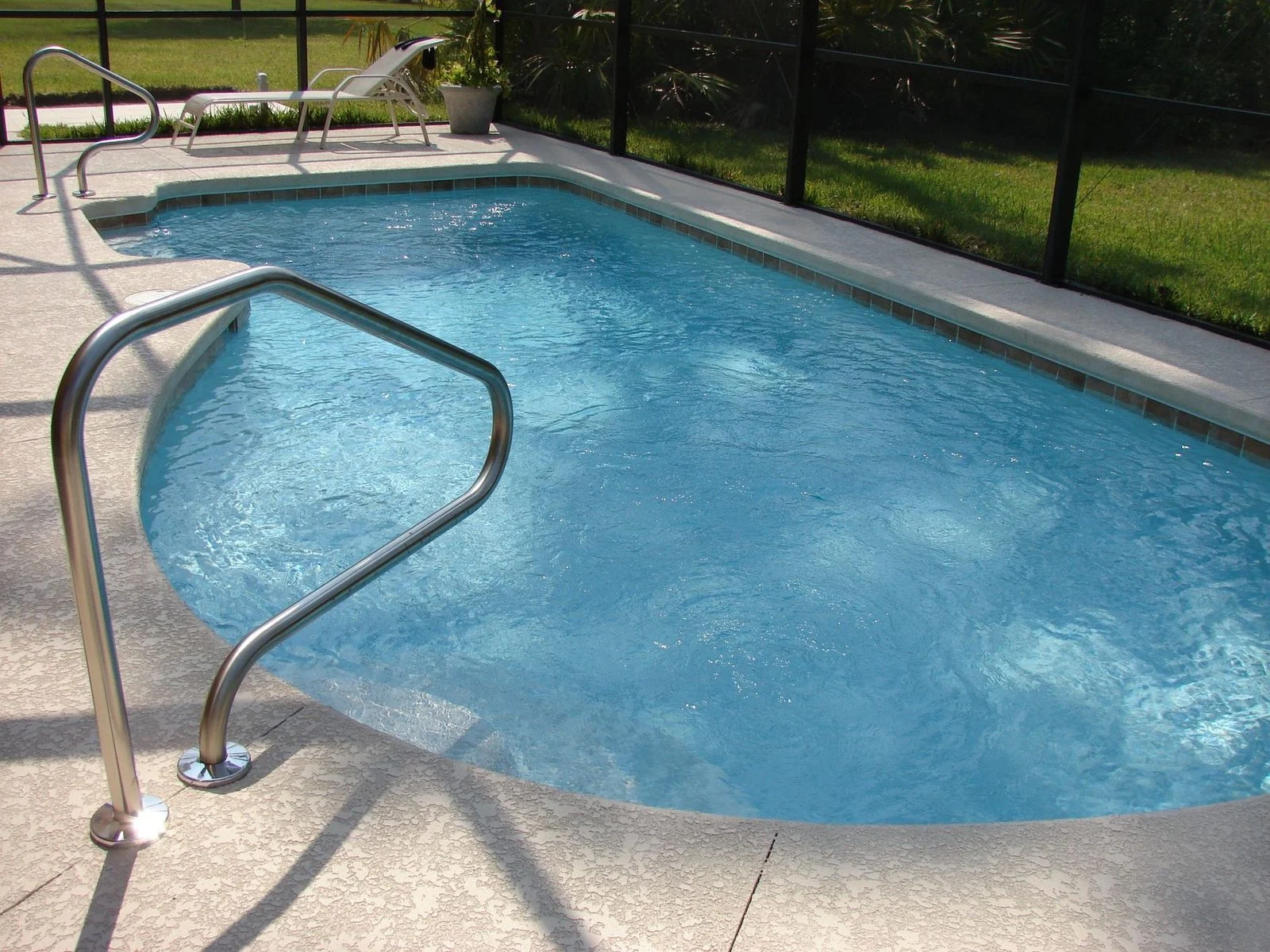
For a larger outdoor area, such as a pool deck, the surface size changes the planning. Ask about the full area when you plan the work.
Drying, staining, and rain: what to plan after cleaning
A deck needs to dry before you stain it. Drying time depends on the wood’s moisture, humidity, and airflow. Wet, shaded boards take longer than sunny, breezy ones.
Stain timing follows how dry the wood is. It does not follow a fixed date on the calendar. Check the dryness of the boards before you start.
Next, follow the product’s cure window. Each stain or sealer has a recommended time to set. That window tells you how long the finish needs to stay dry. Plan the job around it.
Rain soon after staining is a real risk. Rain can disturb a finish that has not set yet. Look at the forecast before you start, and give the finish time to cure before wet weather arrives.
Not sure what your next step is?
Talk it through with our team — the first consultation is free, confidential, and carries no obligation.
Planning a deck cleaning schedule with help from our team
Many people end up responsible for a deck they did not choose. You may have inherited a home, manage a rental, or care for a property for an owner. The deck’s cleaning history may be unknown, and that makes the schedule harder to set.
Our team can look at the surface, note the material and its condition, and suggest an interval that fits how the deck is used and where it sits. Organized maintenance helps here. Organized maintenance programs and checklists give commercial properties a clear, repeatable care routine, and our team can help set one up for your property.
Frequently asked questions
How often should you power wash your deck?
For planning, many owners clean once a year and inspect the deck each season. Clean sooner when mildew, grime, or slickness appears.
How long should a deck dry after power washing?
Drying time depends on the wood’s moisture, humidity, and airflow. Wait until the boards are dry before you stain.
What if it rains after I stain my deck?
Rain soon after staining can disturb a finish that has not set. Follow the product’s cure window and plan around the forecast.
If you’re now responsible for a deck you didn’t build or clean, reach out through the contact form or call our office. Our first consultation is free, confidential, and carries no obligation to continue.
Signs Your Deck Needs Attention
Dark or green staining
Mildew and algae often collect in shaded areas and along the edges of boards, especially in humid weather.
Slippery boards
A film of grime or algae can make steps and walkways slick, which is a safety concern for everyone who uses the deck.
Faded or graying wood
Weathered surfaces can look dull and rough. Cleaning removes the surface buildup so the wood is ready for its next step.
Buildup after rain
If the deck looks dirty soon after a storm or a rainy season, it may be time for a professional cleaning visit.
Protect the Wood
Very high pressure or a nozzle held too close to the boards can gouge softer wood and raise the grain. A gentle, well-controlled approach suited to your deck material helps keep it in good condition.
Why Work With Gator Protection
Supported by our team
Our team of assistants and office staff helps coordinate each visit from scheduling to follow-up.
Serving South Florida
We provide pressure washing and related services across Miami-Dade, Broward, and Palm Beach counties, including Coral Gables, Brickell, and South Beach.
Scheduling that fits your property
We plan service visits around your property's needs so your deck is ready when you need it.
A free first consultation
The initial consultation is free, confidential, and comes with no obligation to continue.