
Floor Care | South Florida
Sticky Floors After Mopping? Here's How to Fix Them
Residue, dirty rinse water, and too much cleaner can leave commercial floors feeling tacky. Learn what causes it and how our floor care team can help across South Florida.
By Ryan Jurney · Published November 4, 2026
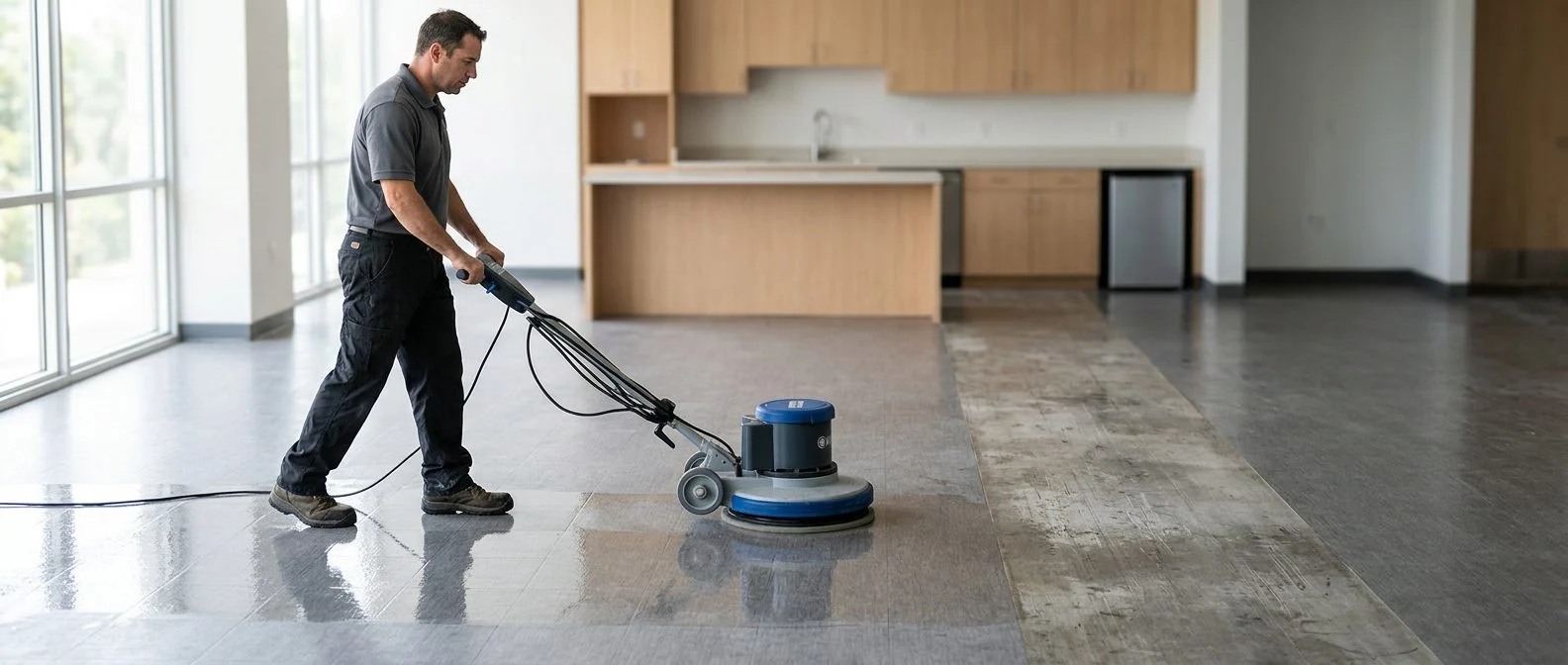
To get rid of sticky floors after mopping, stop adding cleaner, rinse the floor with clean water, and let it dry fully. Most tacky floors have a thin film of leftover cleaner or dirty mop water, not dirt the mop missed. This guide explains how to find the cause and fix it, whether you clean the space yourself or manage a building for others.
Why floors feel sticky after mopping
A sticky floor usually has a thin film left behind. That film is leftover cleaner, soap, or old floor finish. It is rarely dirt the mop missed.
Too much cleaner is the most common cause. Extra product stays on the floor as water evaporates, and the surface feels tacky. Dirty mop water causes the same problem. It spreads film around instead of lifting it off.
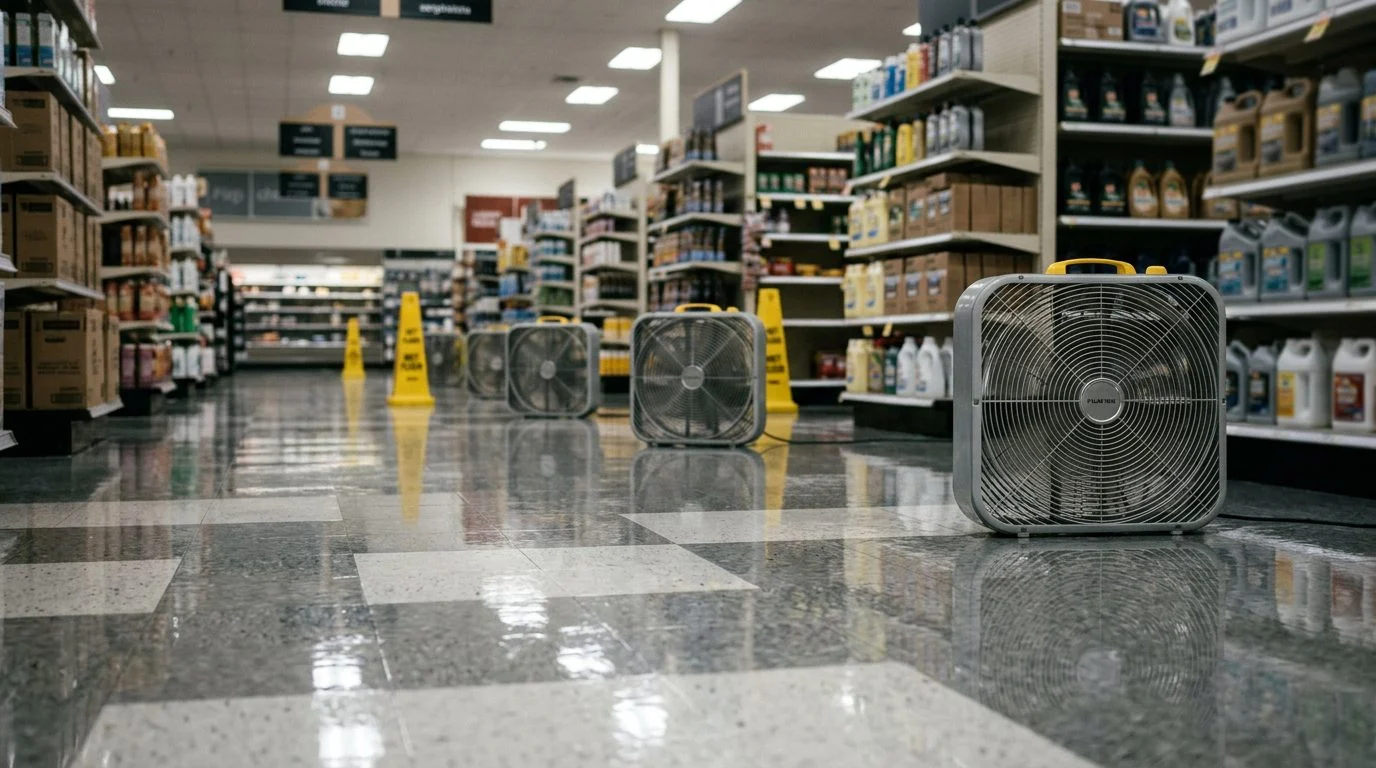
Finish and wax buildup can also feel sticky. Humidity slows drying, which makes residue easier to notice in South Florida. Some cleaners feel slick for a few hours while they dry, and that’s normal. If the tacky feel lasts after the floor is fully dry, residue is the likely cause.
Not sure what your next step is?
Talk it through with our team — the first consultation is free, confidential, and carries no obligation.
How to remove sticky residue from floors
To remove sticky residue, stop adding cleaner and rinse the floor with clean water. Mix the next batch at the dilution printed on the product label. Cleaning product labels and Safety Data Sheets are useful sources for checking how a product should be handled.
Follow these steps:
- Empty the bucket and refill it with clean water.
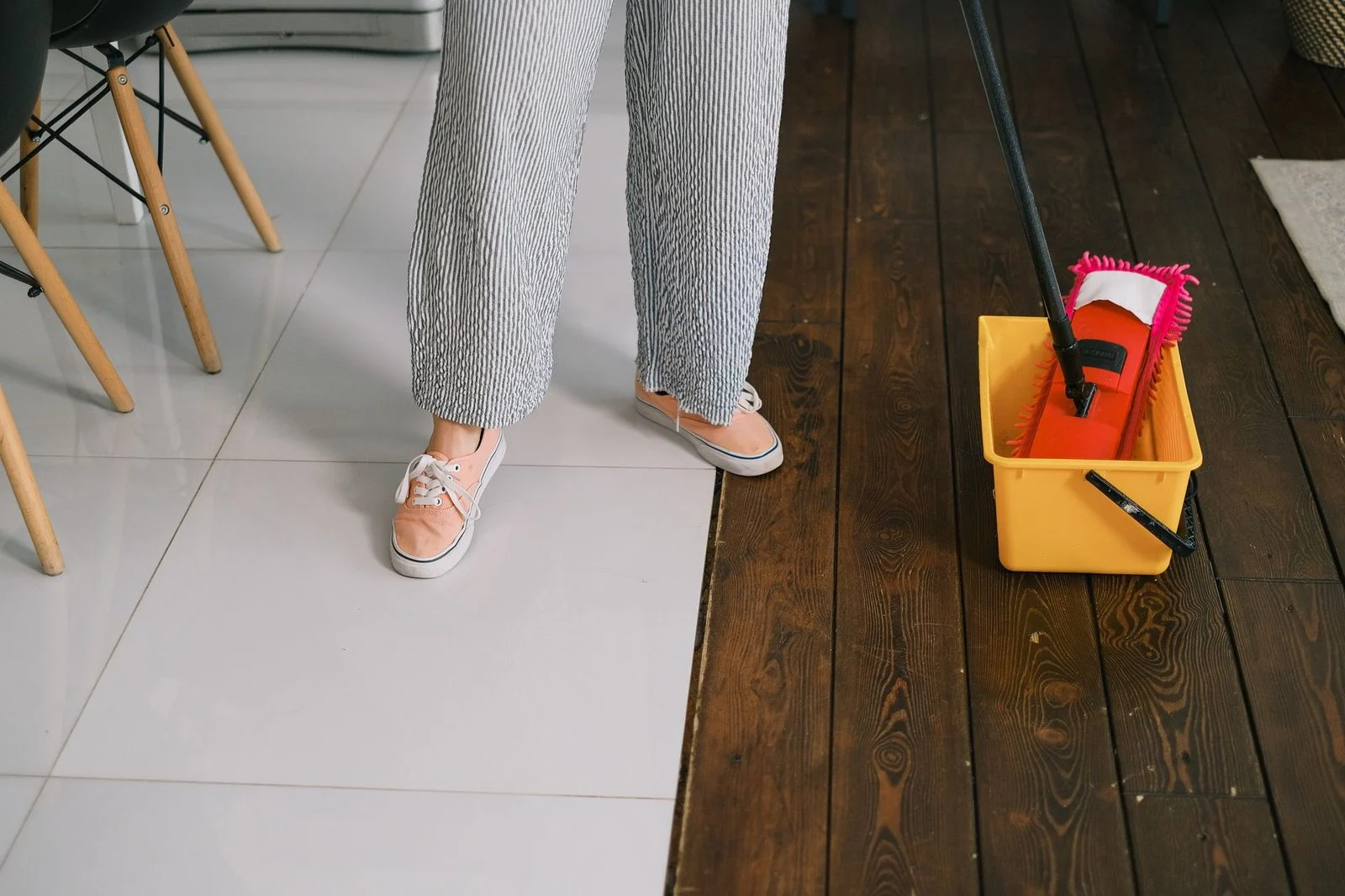
- Wring a clean mop well, then rinse the floor in small sections.
- Change rinse water often so residue doesn’t go back down.
- Use a clean microfiber pad. A dirty pad holds and spreads film.
- Let the floor dry fully, then check whether the tacky feel is gone.
If the film is still there after a full dry, move on to the tile and vinegar steps below.
Does vinegar get rid of sticky floors?
Diluted white vinegar can cut through some soap residue, but it doesn’t work on every floor. It is mildly acidic, which helps loosen certain films. That same acidity can dull natural stone and some finished surfaces.
Before you use it, test a small hidden area and follow the flooring maker’s cleaning guidance. Use a weak solution, and rinse with clean water afterward so no acidic film is left behind.
Vinegar will not strip heavy polish or wax buildup. Those films need a different approach, usually a product made for stripping floor finish.
Have questions about what happened?
Ask our team directly. The first conversation is free, confidential, and there is no obligation to continue.
Why floors stay sticky after washing and how to fix tile floors
Tile floors stay sticky when residue hides in the grout. Grout lines and textured tile hold cleaner and soap scum that one mop pass doesn’t reach.
To fix it, scrub grout lines with a soft brush and clean water. Then wipe the area with a damp mop wrung out well. Let the grout dry fully before anyone walks on it.
Match the method to your tile and grout type. Avoid harsh abrasives on glossy or sealed surfaces, since they can scratch the finish.
Repeated mopping with the same cleaner builds film over time. A periodic residue-removal clean can reset the surface. If the stickiness returns after a thorough rinse, the cause is usually the product or the dilution, not the mop.
How do you keep sticky floors from coming back after mopping?
Prevent sticky floors by controlling dilution, rinse water, and routine. Measure cleaner every time instead of pouring by feel. Rinse mop heads often and change the water during a full cleaning cycle.
Schedule periodic deep cleaning and finish maintenance so buildup doesn’t pile up between visits. The ISSA Cleaning Industry Management Standard is an industry standard covering service quality, staffing, and green cleaning practices. Keeping floors clean and dry helps reduce the chance of slips.
Our floor care maintenance service covers the surfaces, products, and schedule for commercial spaces, including buildings you manage for someone else.
Why are my floors still sticky after washing them?
A film of leftover cleaner or dirty rinse water is usually still on the floor. Rinsing with clean water and drying fully often clears it.
What removes sticky residue from floors?
Clean water rinses, a well-wrung mop, and fresh pads often remove residue. Diluted vinegar can help on some floors, but test a small area first.
If a floor keeps feeling sticky after every shift and you’re the one responsible for fixing it, contact us for a free first consultation, confidential and with no obligation to continue.
Common Causes of Sticky Floors
Too Much Cleaner
Concentrated solution that isn't diluted properly can dry into a film that attracts dirt and feels slick or tacky.
Dirty Rinse Water
Mop water that carries soil back onto the floor leaves a grimy layer that becomes sticky as it dries.
Residue Buildup
Repeated mopping without a proper rinse can gradually build up residue in high-traffic areas.
Incomplete Drying
Floors that are left damp or are walked on too soon can pick up dirt and feel tacky.
Tip: Don't Add More Cleaner
Adding extra cleaning solution usually makes sticky floors worse. Rinse with clean water, wring the mop well, and let the floor dry fully before foot traffic returns.
How Our Floor Care Team Helps
Protective Routines
We follow floor care routines designed to protect the surfaces in your commercial building.
Proper Dilution and Rinsing
Our team focuses on correct cleaner ratios, clean rinse water, and fresh pads to reduce residue.
Scheduled Maintenance
Regular floor care visits help prevent buildup before it becomes a recurring problem.
Support Across South Florida
We provide floor care maintenance for businesses throughout Miami-Dade, Broward, and Palm Beach counties.
Book your free first consultation: confidential, with no obligation.
Want to know where you stand?
Tell us what happened and our team will walk you through the options available to you, at no cost.
Related practice areas
- Floor Care Maintenance for Miami-Dade Condos, Apartments and Gated Communities
- Epoxy Garage Floor Cleaning for Miami Condo Parking Garages
- Luxury Vinyl Plank Floor Cleaning for Apartment Clubhouses, Gyms and Leasing Offices
- Hardwood Floor Maintenance for Condo Lobbies, Boardrooms and Amenity Rooms in Miami-Dade