
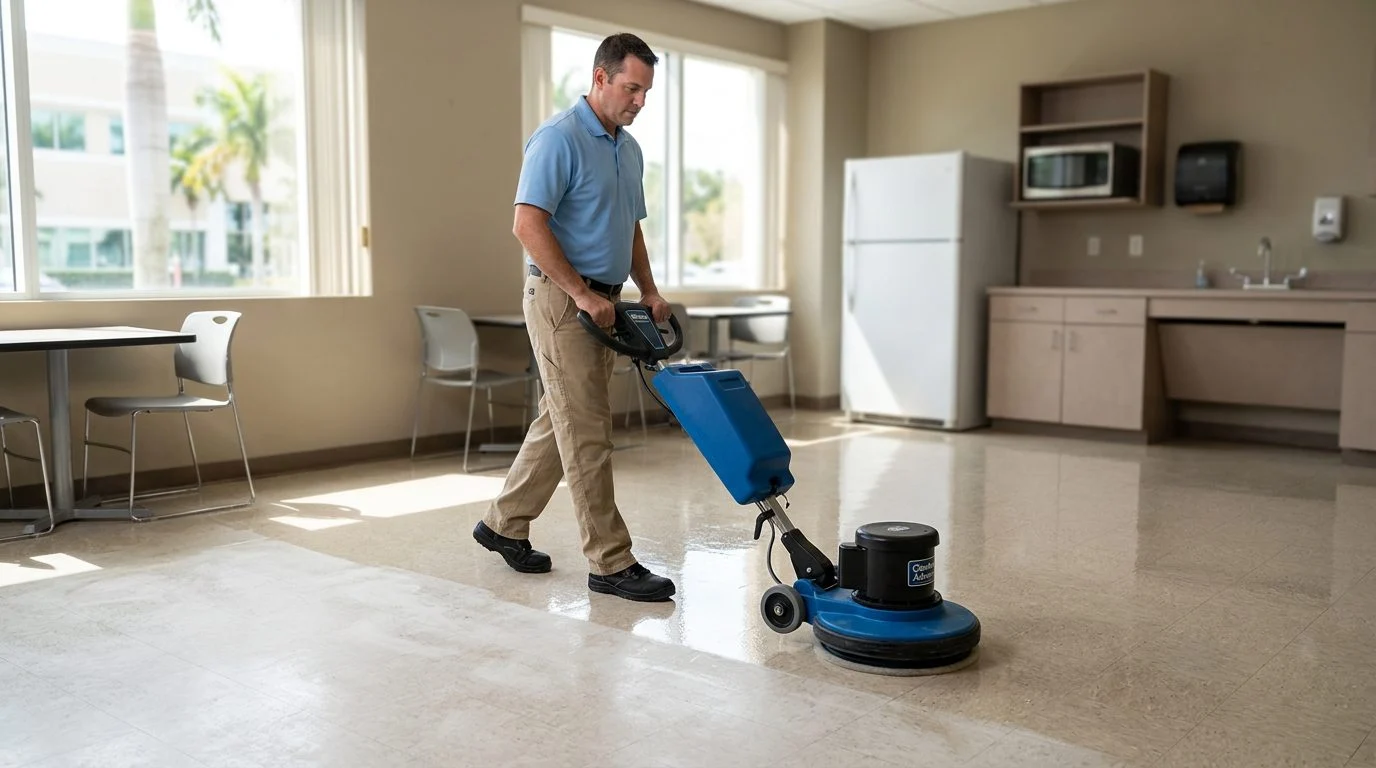
Floor Care Maintenance · South Florida
Hazy vinyl floors? Start with the cause, not another coat of wax.
A closer look at your floors can separate a simple cleaning problem from a buildup that needs a different approach.
Your first step, on our terms
Free
First consultation
Confidential
Every conversation
No obligation
To continue
By Ryan Jurney · Published November 26, 2026
Cloudy spots on a commercial vinyl floor can make a clean lobby look neglected. If you manage a building you don’t clean yourself, you may be the one asking what’s going on. White haze on commercial vinyl floors usually comes from a film on the surface, not damage to the vinyl. In South Florida, the usual culprits are product buildup, dried detergent, mineral deposits from water, and moisture that lingers in humid air. This guide walks through each cause and the habits that make haze worse.
What White Haze on Commercial Vinyl Looks Like
White haze is a dull, milky, or cloudy film that sits on or just inside the vinyl surface. It rarely means the vinyl itself is breaking down.
Haze often shows up first in high-traffic lanes, near entrances, and along seams. It builds slowly. Many people don’t notice it until light hits the floor at a certain angle, such as afternoon sun through a front window.
That slow build is a clue. Haze that grows over time usually reflects steady habits, not one bad day. Look at where the haze sits and how it changed. That pattern points toward the cause.
Haze generally sits above the vinyl’s top protective layer, the wear layer. That’s why it often responds to the right cleaning approach rather than replacement.
If haze is dulling a commercial floor you manage, and you didn't choose its cleaning history, our team is glad to talk through the likely cause with you. Talk it through with our team — the first consultation is free, confidential, and carries no obligation.
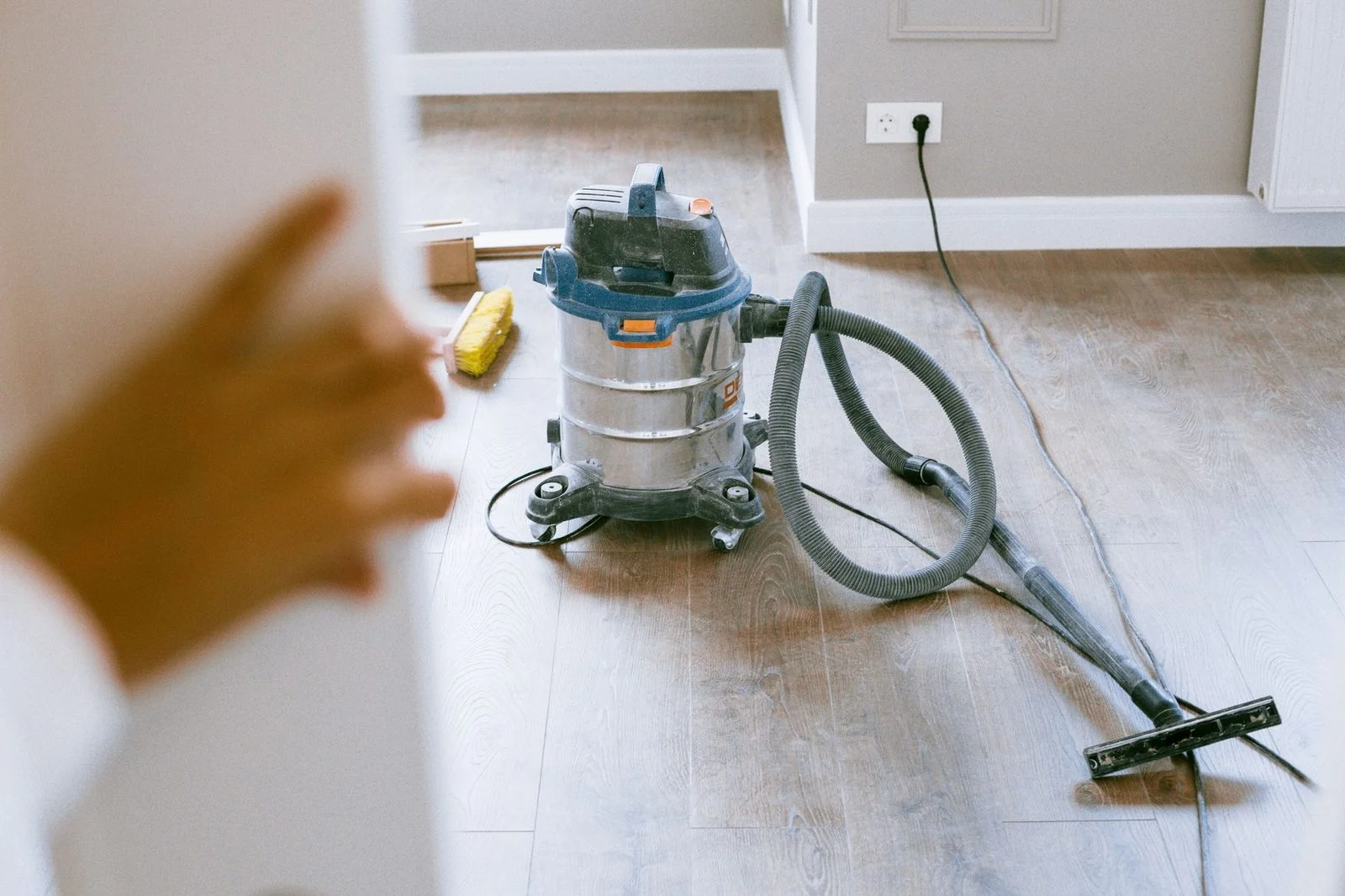
Product Residue and Finish Buildup Leave a Layered Film
Product buildup forms a whitish film one layer at a time. Floor finishes, sealers, and polishes are meant to go on in thin coats. When they go on too thick, or new coats cover old ones without removal, the layers dull and whiten.
Detergent works the same way. A cleaner that’s too strong, mixed at the wrong dilution, or not rinsed can dry into a film. The Tile Council of North America white residue guidance says white residue can come from detergent buildup, and it recommends minimal cleaner and thorough rinsing. That guidance covers tile and grout, so treat it as general advice on residue, not vinyl-specific instructions.
Household dish soap is a common mistake. It isn’t made for floor care, and its leftover film can attract dirt. Buildup usually looks worst in heavy-traffic areas and spots that get mopped most often.
Chemical choice matters too. Asking questions about any cleaning product used in your building is a useful step.
Finish schedules matter as well. How often a floor is burnished, buffed, or scrubbed affects how many finish layers build up.
Mineral Deposits From Hard Water Leave Chalky Patches
Minerals such as calcium and magnesium leave a chalky white deposit when water dries on the floor. Hard water carries these minerals. As mop water evaporates, the minerals stay behind.
The deposit tends to show up in patches, in lines where mop water dried, and along edges where water pooled. Those marks often look different from the broader haze caused by finish buildup.
Using too much water raises the risk. A flooded floor has more water to dry, which leaves more mineral behind. Mop water that isn’t changed often enough also spreads dirt and minerals across the floor instead of lifting them away.
Mineral film can hide dirt underneath. Routine mopping may not reach that film, so the floor can look dull even after it’s been cleaned. The surface looks clean on top while the problem sits below.
South Florida Humidity and Temperature Swings Add to Haze
Humidity slows evaporation, so water and cleaner stay on the floor longer and leave more residue behind. In South Florida, a mopped floor can stay damp well after the crew has left the room.
Moisture also collects under mats, along seams, and at floor edges. Those damp spots are where cloudy seams and whitish patches tend to form.
Temperature changes add to the problem. When air conditioning cycles on and off, or doors open to hot, wet air, condensation can form on cooler floor surfaces. This often happens near lobby doors and entry points.
Strong sun through large windows makes dullness and film easier to see, even when the cause is the same.
Cloudy seams deserve special attention. Moisture and residue collect in joints. A seam that looks cloudy often points to a moisture or buildup issue, not only the surface.
Spills on any floor can create slip hazards, so prompt cleanup is a sensible habit.
Cleaning Habits That Make Haze Worse
Layering more finish, using harsh tools, mixing products, and flooding the floor all tend to make haze worse. Each habit adds film or spreads it.
Adding wax over a hazy floor traps the existing film underneath and deepens the cloudy look. Stripping the floor with aggressive chemicals can also dull the surface and create more haze.
Abrasive pads can scratch the surface, and a scratched surface tends to look hazier. Use the least aggressive tool that does the job.
Mixing cleaning products can leave residue or cause unwanted reactions. Use one product at a time, at the dilution the manufacturer specifies.
Flooding the floor and reusing dirty mop water spreads film across the whole area. Change the water often and wring the mop well.
Identify the cause before choosing a fix. A method that clears residue may do little for mineral deposits.
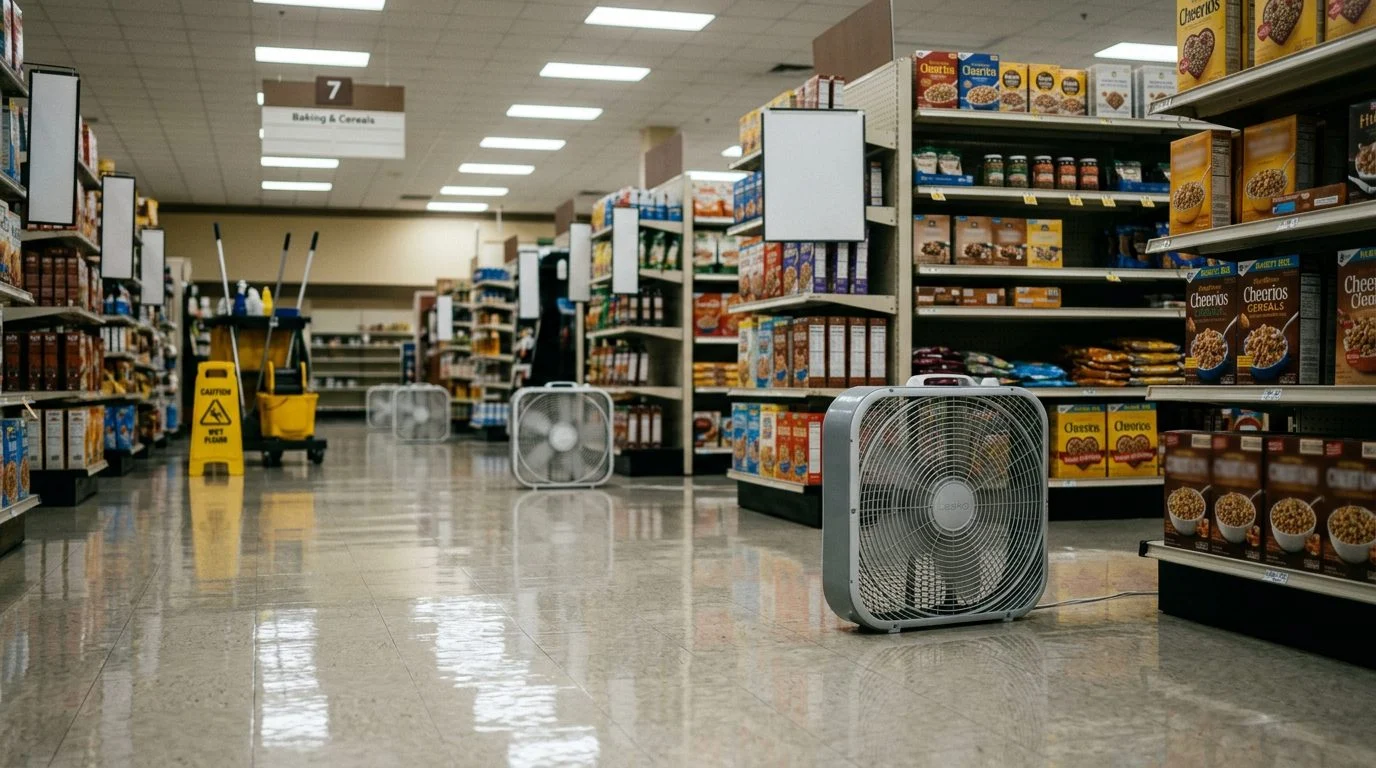
Talk With Our Team About Your Hazy Floor
If haze is showing up on a floor you manage, but you didn’t choose the cleaning history behind it, our team can help you find the likely cause. Haze is frustrating when you’re responsible for how a space looks and feels to employees, customers, or tenants.
Gator Protection, Inc. provides commercial floor care maintenance, day porter service, landscape services, and pressure washing across South Florida, including Miami-Dade County, Broward County, Palm Beach County, Coral Gables, Brickell, and South Beach.
To start, use the contact form, call the office, or request a quote for an assessment of the floor and its likely cause. La consulta inicial es gratuita, confidencial y sin compromiso de continuar.
Can regular cleaning remove white haze?
Residue and mineral film can respond to the right cleaning. Haze that won’t move may need a different approach, and a floor assessment can help identify it.
Does humidity cause white haze on vinyl?
Humidity can make haze worse by slowing drying, which leaves more residue and moisture behind. It works alongside cleaning habits rather than acting alone.
What to do before you choose a fix
Note when the haze appears
Keep track of whether the film shows up after mopping, after humid weather, or in high-traffic paths. Those patterns help point to the cause.
Avoid stacking products
Layering waxes, polishes, and strong cleaners can trap residue under the surface and make the haze harder to remove.
Check the drying routine
Floors that are left wet or damp can leave film behind. Adjusting how and when floors are cleaned can make a real difference.
Ask for an assessment
Our team can look at the floor, the cleaning routine, and the conditions in the building to identify what is causing the haze.
Why start a conversation with Gator Protection
Free first consultation
The first consultation is free, confidential, and carries no obligation to continue.
Serving South Florida
We support commercial properties across Miami-Dade, Broward, and Palm Beach counties, including South Beach, Coral Gables, and Brickell.
Floor care maintenance
Our floor care maintenance is part of a broader commercial janitorial and landscape service that keeps your property looking its best.
A team that listens
Our team takes time to understand your floors, your traffic, and your schedule before recommending any next step.
Warning: do not guess with harsh chemicals
Strong acidic or alkaline cleaners can damage vinyl and make haze worse. If the film persists after routine cleaning, stop adding new products and have the floor assessed first.