
Landscape Services · South Florida
Keep Commercial Irrigation Running Right Across South Florida
Heat, storms, and heavy foot traffic all affect how a property's sprinklers perform. Here is what property managers should watch for.
By Ryan Jurney · Published November 21, 2026
If you manage a commercial property in South Florida, your sprinklers probably stay out of mind until a lawn browns or a water bill jumps. So how often should commercial irrigation be checked? For most properties, a full wet check at least once each season, with quick walk-throughs in between, is the practical answer. Heavier use calls for more frequent checks.
This guide covers what a wet check includes, the warning signs that show up between checks, the watering rules that shape your schedule, and how to turn findings into repairs.
How Often Should Irrigation Systems Be Inspected?
Most commercial systems need a full wet check at least once each season, with quick visual walk-throughs in between. A walk-through is a short look at the controller and the zones that show stress. A full check goes further and finds the faults that hide under turf and inside valve boxes.
Some properties need checks more often than that baseline. Large turf areas, many irrigation zones, and sites with heavy daily use all add wear. A system that has run on the same settings for a year is a good candidate for closer attention.
Timing matters in South Florida. Heat and heavy summer storms both stress heads, valves, and controllers. A small fault left alone for a few weeks can soak a walkway, kill a shrub bed, or waste water on every cycle. Checking on a regular schedule catches these problems while they are still small and cheaper to fix.
If a dry zone, a puddle at your entrance, or a jump in your water bill has you wondering about your system, our team is ready to talk it through with you. Talk it through with our team — the first consultation is free, confidential, and carries no obligation.
What a Commercial Irrigation Wet Check Includes
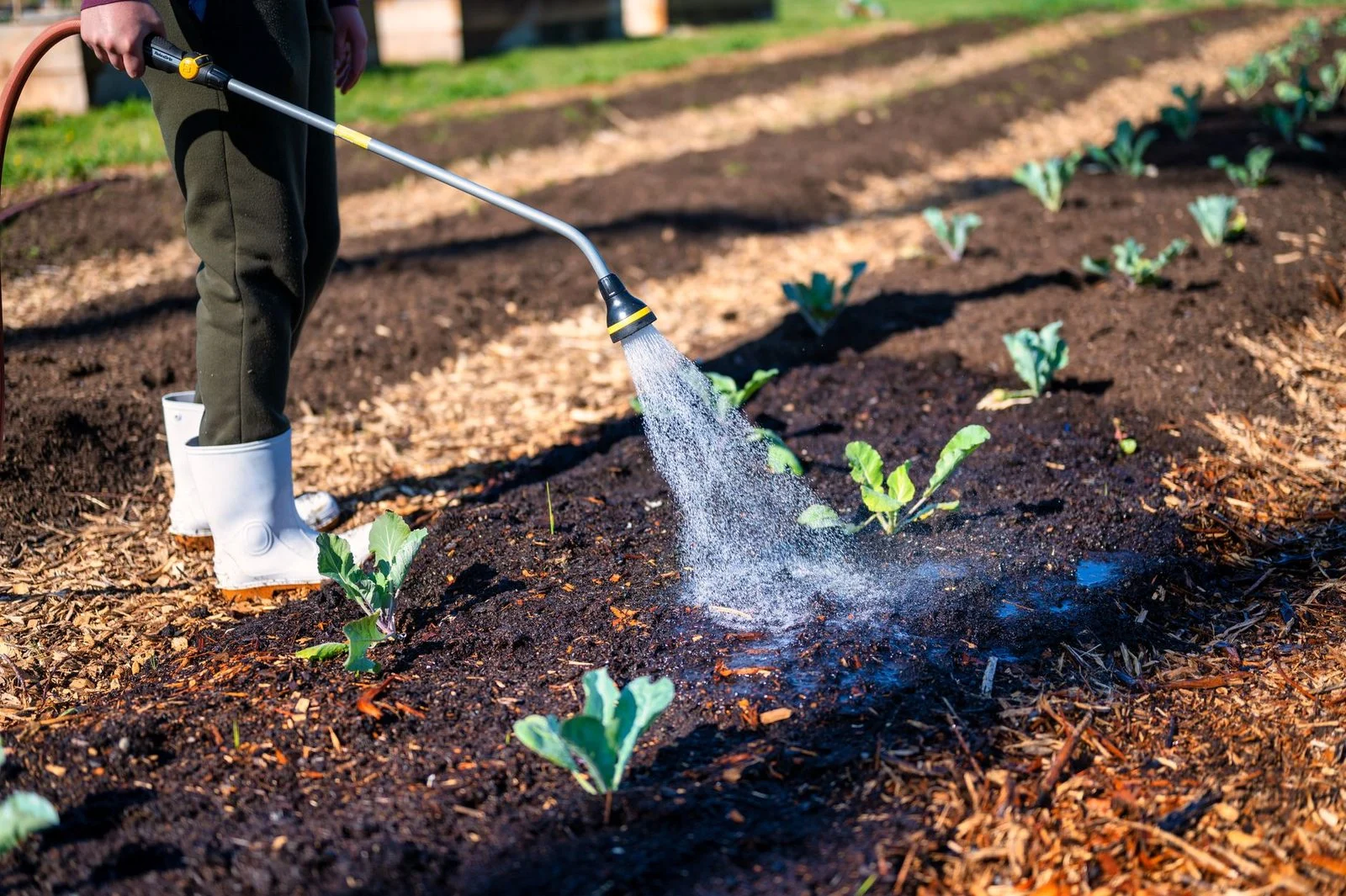
A wet check means running every zone and watching what the water actually does. A glance at the controller doesn’t show whether water lands where it should. A thorough check covers these areas:
- Spray pattern and coverage. Each zone runs while the reviewer watches turf, shrub beds, and planters for dry gaps and overspray.
- Heads and nozzles. Broken, clogged, misaligned, or sunken heads get flagged. A head set too low can hide under turf and miss its target.
- Valves and valve boxes. Check valves and valve boxes are inspected for leaks and standing water.
- Pressure. Operating pressure is observed, and zones with uneven output are marked.
- Controller program. Run times, start times, and seasonal settings are reviewed. The rain sensor should be confirmed as connected and responding.
Findings should be recorded by zone. That record lets you compare one check to the next and see whether a problem is new or keeps coming back.
Signs an Irrigation System Needs Attention Between Checks
Dry patches, soggy spots, and water on pavement are early signs that a system needs attention before the next check. Watch for these between visits:
- Dry or brown patches that don’t match the rest of the zone.
- Soggy, sunken, or unusually green spots, which can point to a leak or overwatering.
- Water pooling on walkways, parking areas, or building edges.
- Heads spraying pavement, signs, or building walls, or water still running after a cycle ends.
- A sudden rise in the water bill with no matching change at the property.
- A controller that resets, skips zones, or runs at the wrong times.
A dry patch in the middle of one zone often traces back to a single head or nozzle, not the whole system. A quick look at that zone is more useful than guessing at the controller. Water on pavement deserves fast attention, because it does not stay on the lawn.
Watering Rules and Rain Sensors in South Florida
Water doesn’t stay in one place. Runoff can carry pollutants from paved surfaces. According to the SFWMD what you can do page, polluted runoff entering South Florida storm drains is discharged untreated into connected water bodies. That’s why overspray onto a parking lot is more than wasted water. The water carries whatever it picks up on the way out.
Rain sensors matter for the same reason. A sensor that is disconnected, dirty, or misadjusted can keep the system running during or right after a rain. Each zone can also need a different schedule, so one controller setting is rarely right for every zone. For broader state guidance, the Florida DEP water conservation page covers landscape irrigation restrictions, reclaimed-water use, and Florida-Friendly Landscaping principles.
How Often Should I Run My Irrigation System in Florida?
Run times should match the needs of each zone. A fixed daily habit doesn’t account for either one.
Plant needs shift across the year. During the wet months, rain covers much of what the landscape needs, so the controller usually needs less irrigation. Hurricane season is a good time to confirm the controller and rain sensor are set correctly before storms arrive.
After a major storm or prolonged heavy rain, check the controller and pause watering. Resume only after the soil has drained and the sensor is confirmed working.
Should irrigation be paused after heavy rain?
Yes, pausing watering after heavy rain is a sensible step. Resume only after the soil drains and the rain sensor is confirmed to be working.
Can overwatering cause runoff onto parking lots?
Yes. Water that runs past its target can flow across paved surfaces, and that runoff can carry pollutants into storm drains.
Turning Inspection Findings Into a Repair Plan
Sort each finding into urgent or routine, then assign it a zone and a target date. Urgent items include leaks, heads spraying pavement, and a failed controller. Routine items include misaligned heads, worn nozzles, and schedule tuning.
Fixing a small leak early limits turf loss, plant replacement, and wasted water. A leak that repeats through cycle after cycle adds up quickly. Waiting for the next check often means replacing plants that could have been saved.
A clear repair log also helps when you review the system with an owner or board. Each entry should show the zone, the problem, the fix, and the date. The next wet check can then confirm whether the repair held. For training on irrigation and water quality, the UF IFAS Green Industries program covers landscape professionals.
Not sure what your next step is?
Talk it through with our team — the first consultation is free, confidential, and carries no obligation.
Talk to Our Team About Your Irrigation System
Picture a parking-lot island with dry spots that keep spreading, water pooling at a building entrance, or a water bill that jumped after the last rainy season. If that sounds like your property, and no one has checked the system since last year, our team can help you sort out what you’re seeing. We serve South Florida, including Miami-Dade, Broward, and Palm Beach counties. Reach out through the contact form, by phone, or to request a quote. La consulta inicial es gratuita, confidencial y sin compromiso de continuar. (The initial consultation is free, confidential, and carries no obligation to continue.)
What a Regular Irrigation Check Covers
Zone coverage
We look at each zone to confirm that heads spray the intended areas and that turf and planting beds get even water.
Schedule settings
Run times and days are reviewed against current conditions so the system is not watering on autopilot.
Leaks and damage
Broken heads, cracked lines, and wet spots near paved areas are flagged before they become larger problems.
Controller and sensors
We check that the controller and rain sensor are working so irrigation responds to weather as it should.
Don't Wait for Brown Spots
Dry patches and runoff onto walkways are often the last signs of a problem. By the time they appear, water may already have been wasted for weeks.
Signs Your Irrigation Needs Attention Sooner
Standing water
Puddles on lawns, sidewalks, or parking areas after watering can point to overspray or a line that is leaking.
Uneven growth
Some areas turning green while others fade often means a clogged or misaligned head.
Irrigation after rain
If the system keeps running during or right after a storm, the controller or sensor may need service.
Changing property use
New planting, construction, or a heavier crowd of visitors can change how much water different areas need.