
Landscape Services | South Florida
Water Smarter, Not Just More: Get Your Florida Lawn Schedule Right
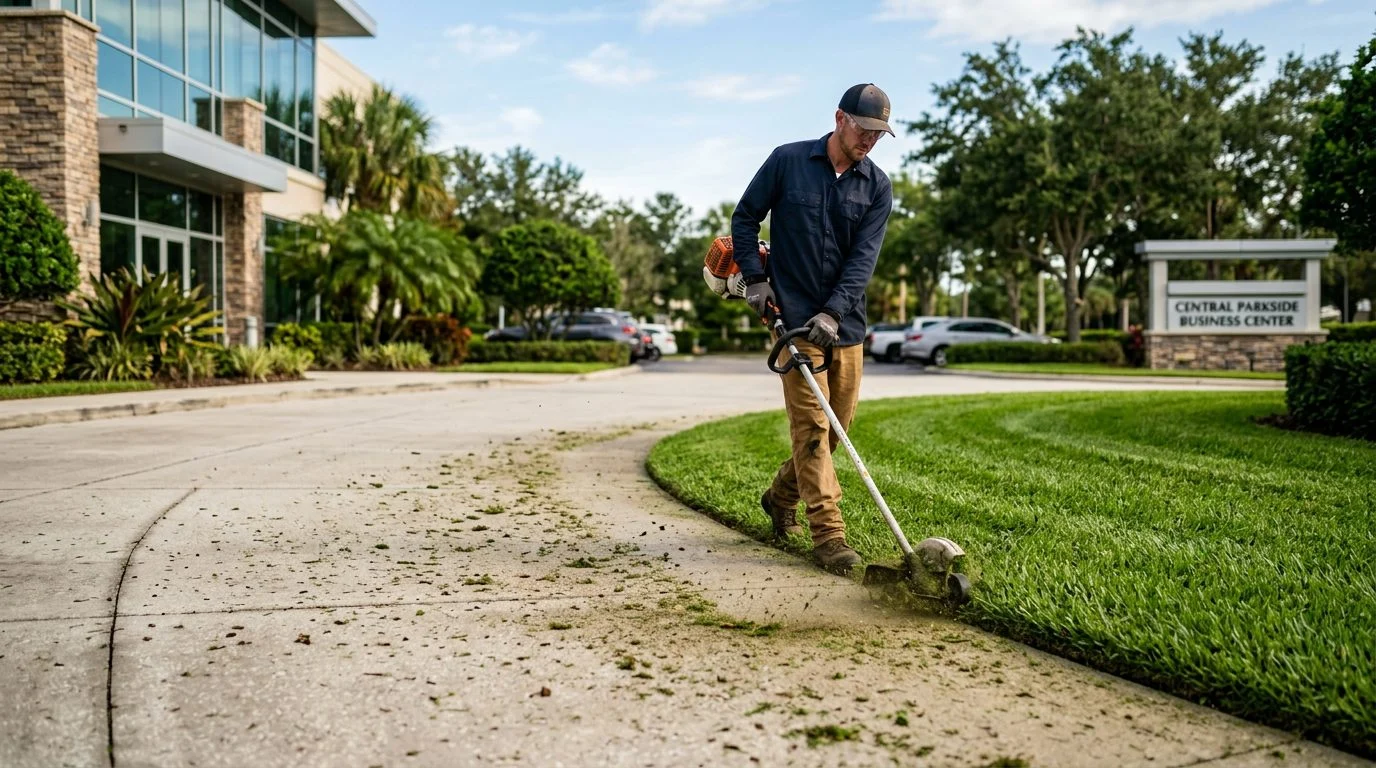
Gator Protection plans landscape maintenance for commercial properties across South Florida, and the right watering routine is a good place to start.
Why Work With Gator Protection
Free First Consultation
Your first consultation is free, confidential, and carries no obligation to continue.
Serving South Florida
We serve Miami-Dade, Broward, and Palm Beach counties, including South Beach, Coral Gables, and Brickell.
Landscape Maintenance
Our landscape services are part of a broader commercial program that also covers day porter service, floor care, and pressure washing.
A Team That Follows Up
Our team stays in touch so your grounds stay on schedule and look their best.
By Ryan Jurney · Published November 18, 2026
How often should you water grass in Florida? Most established lawns usually do well with deep, less frequent watering, not a light sprinkle every day. The right schedule shifts with rain, soil, season, and grass type. This guide walks through each one for a South Florida property.
The short answer: how often should you water grass in Florida?
Water deeply, and let the top of the soil dry a little between sessions. That’s the core pattern for most Florida lawns in the warm months. So how often should you water grass in Florida? Less often during the wet months, and more often during hot, dry stretches.
Frequency alone doesn’t tell the whole story. A lawn sprinkled lightly every day can grow shallow roots. Those roots dry out fast in afternoon sun. A deeper soak reaches further down, so the grass handles dry spells better.
Many commercial properties run automatic controllers. A controller set once and left alone can keep watering through a rainy week. Review the schedule every time the weather shifts.
Before you set any schedule, check the South Florida Water Management District rules for your property.
Not sure what your next step is?
Talk it through with our team — the first consultation is free, confidential, and carries no obligation.
How much water grass needs each week
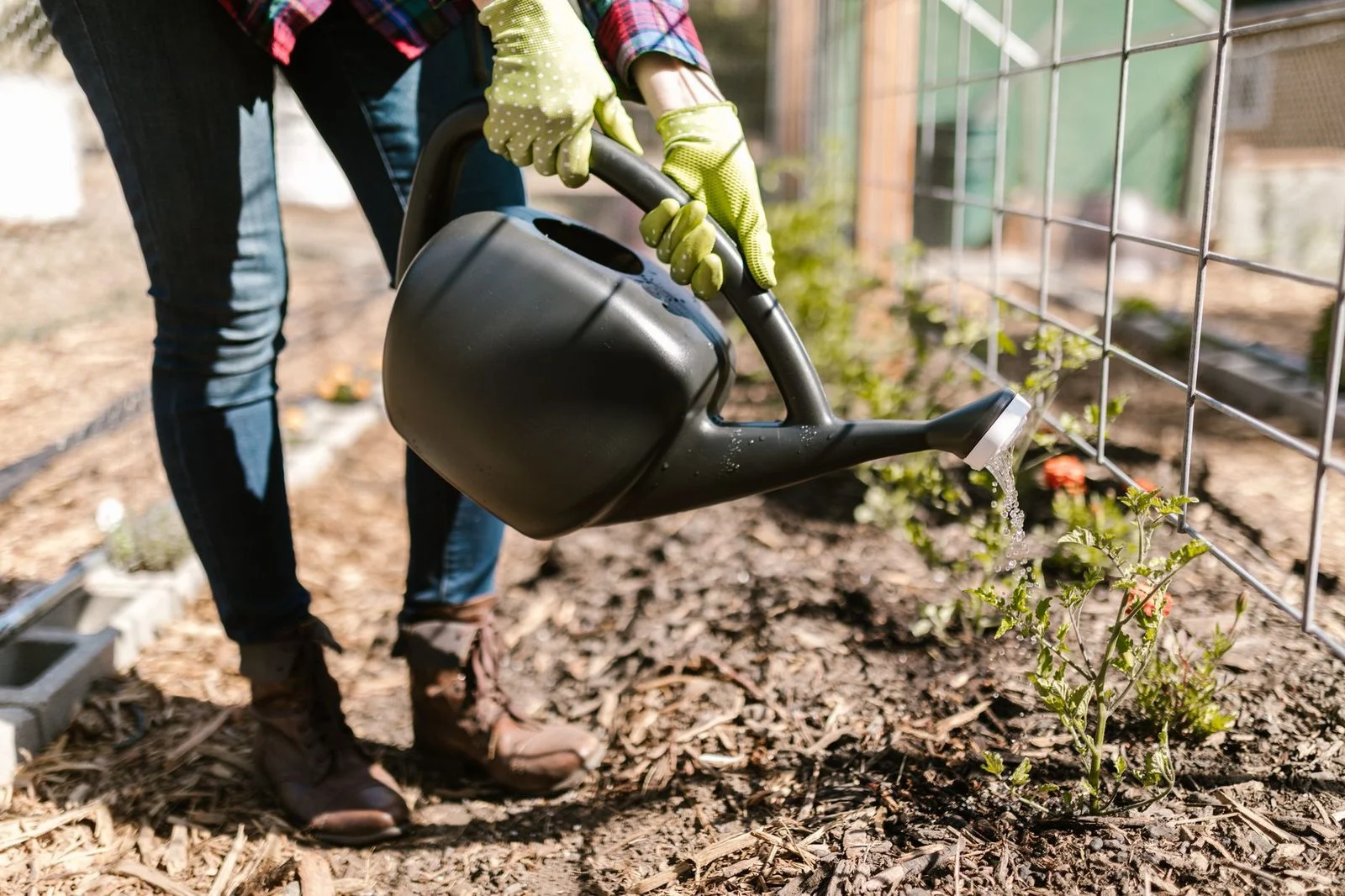
Most lawns need enough water each week to wet the root zone, and rain counts toward that total. If a heavy storm just soaked the yard, skip the next scheduled run.
Not sure how much rain fell? Set an empty, straight-sided can on the lawn. The depth of water in the can after a storm shows you the rainfall. If the soil stays soggy for days, cut the next run.
Sandy soil is common across South Florida, and it drains fast. One longer session soaks deeper than several short bursts, which tend to wet only the top layer. Short, frequent runs often waste water on the surface.
Not sure if the grass is thirsty? Try the footprint test. Walk across the lawn, then look back. If the blades stay flat and don’t spring back within a few minutes, the grass likely needs water. A grayish-blue tint is another sign.
To learn more about irrigation practices, read the UF IFAS Green Industries program. It covers irrigation and water quality for landscape professionals.
How long to run sprinklers for each zone
Run time is how long one zone runs to deliver its target amount of water. No single number fits every yard.
Is 30 minutes too long? It’s too long only when water runs off or pools. Otherwise it may be just right, since sprinkler output varies from one system to the next.
The most reliable way to find your number is the catch-can test. Set several straight-sided containers across one zone. Run the zone for a set time, then measure the water in each container. Average the depths, and adjust the run time until you reach your target. Write the minutes down for each zone and keep them with your irrigation log. Repeat this for every zone, because output often differs across a property.
Re-test after repairs or landscaping changes. Sprinkler heads clog, shift, or get blocked by new growth, and those changes shift the output.
Watch for runoff. If water pools or flows toward the street, split the run into two shorter cycles with a rest between them. Overwatering also leads to shallow roots and fungus in wet turf.
Best time of day to water and what changes in cooler months
Early morning is the usual choice for watering grass in Florida. Water has time to soak in before the heat, and the blades have time to dry before evening.
Commercial properties often have mowing and foot traffic on set days. Plan watering around those visits so turf is not wet when crews walk across it.
Cooler weather slows growth, so the lawn needs less water. Reduce the schedule rather than assuming the sprinklers can stay off. Dry spells can still stress turf in winter, even on mild days.
Is 50 degrees too cold to water grass? A cool day alone doesn’t end the lawn’s need for water. Check the footprint test and the soil, then water when the grass shows thirst.
For St. Augustine grass in winter, cut back frequency, avoid soggy soil, and watch for drought stress during dry spells. Wet, cool turf can invite fungus.
The same lawn can need very different schedules in June and January in South Florida. Plan to review the schedule at least once each season.
Signs your watering schedule is off
Underwatering shows up as wilting, footprints that stay visible, and dull or grayish patches. Some brown patches recover once watering is fixed. Others need repair, such as reseeding or new sod.
Overwatering shows up as soggy soil, standing water, fungus, shallow roots, and grass that pulls up easily. Watch the edges near walkways, where runoff often collects.
Change one thing at a time, and watch the lawn for a week or two. Then decide whether the schedule needs another change.
If stress continues after the schedule is right, look beyond water. Pests, soil compaction, and gaps in sprinkler coverage can cause similar symptoms. Corners that sit outside the spray pattern often get less water than the rest of the lawn.
Keep a simple log of run dates, rainfall, and what you see. A log turns guesswork into a pattern you can read.
Talk through your property with our team
The right watering plan comes down to four site details: rain, soil, season, and grass type. Get those right, and the schedule becomes much easier to set.
Quick answers
How often should you water grass in Florida?
Most established lawns do well with deep, less frequent watering, and rain counts toward the total.
Is 30 minutes too long to water a lawn?
It is only too long if water runs off or pools, so a catch-can test gives you the reliable answer.
Is 50 degrees too cold to water grass in Florida?
Cool weather lowers the lawn’s needs, so reduce watering and water when the grass shows thirst.
Maybe you sit on a condo association board, or you inherited a property with a sprinkler schedule nobody has reviewed. You’re watching the turf decline and wondering what changed. If that’s your situation, our team can help you work out a watering plan that fits your site. Our first consultation is free, confidential, and comes with no obligation to continue. Reach out through our contact form or call the office.
Watch for Overwatering
Watering too often or too long can waste water and weaken turf roots. Adjust your routine based on what the lawn shows you, not on habit.
Signs Your Lawn Needs a Watering Review
Footprints Linger
If grass stays flattened after you walk across it, the turf may be short on moisture.
Dull or Bluish Color
Grass that loses its green shine or looks grayish can be signaling water stress.
Puddles and Runoff
Water pooling on the surface or running into walkways suggests the schedule is delivering more than the soil can absorb.
Patchy or Thinning Areas
Bare spots that keep growing may point to uneven watering across the property.