
Landscape Services · Miami, FL
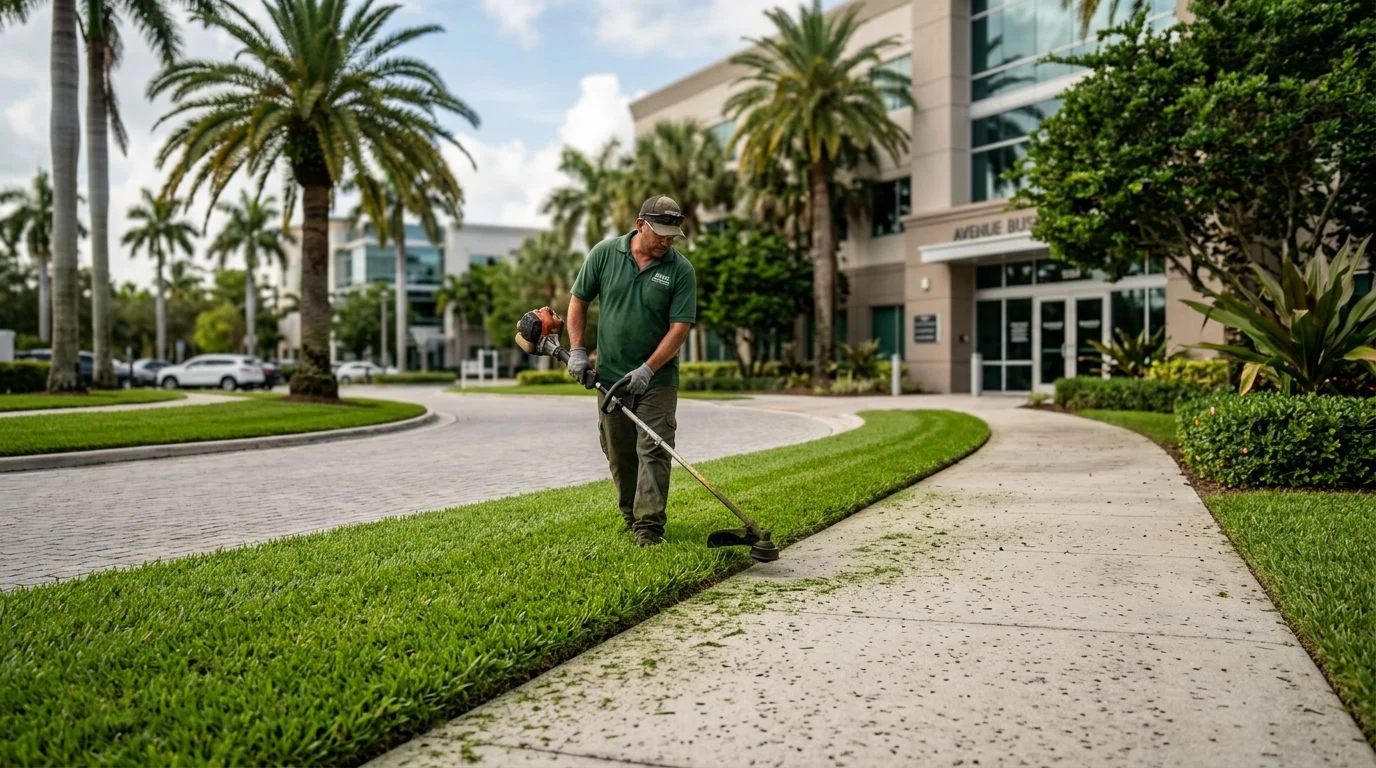
How Often Should Condo Grass Be Mowed in Miami?
Mowing frequency follows how fast your grass grows. Here is how South Florida condo communities can set a schedule that keeps common areas looking their best.
By Ryan Jurney · Published November 3, 2026
Short Answer: Mowing Frequency Follows Growth, Not Just the Calendar
The right number of mowing visits depends on how fast the grass is growing on your property that month. In South Florida, growth shifts with heat, rain, and irrigation, so a fixed weekly rule often misses the mark. Treat the schedule below as a planning framework, and confirm it during a site walkthrough before you sign anything.
Most of these questions come up during a board budget or contract review. A board member may have noticed thin patches or uneven height and wants to know whether the visit count is wrong. That is the right time to check the schedule against the actual grounds.
Not sure what your next step is?
Talk it through with our team — the first consultation is free, confidential, and carries no obligation.
Why Miami’s Growing Season Changes the Mowing Math
Grass in Miami grows fastest during the warm, wet months. Heat and humidity push turf to produce new blades quickly. A lawn that looked fine in winter can need noticeably more visits by midsummer.
The rainy season is the main driver. Heavy summer storms add water, and the grass responds with fast growth. Cooler, drier months slow that growth, so visits can be spaced further apart without the lawn falling behind.
Rain and irrigation both set the pace. A zone watered on a regular schedule grows differently than a shaded area that stays damp after a storm. The same property can need different visit counts from one week to the next. For local watering limits, see the SFWMD landscape irrigation rules.
For the wider picture of how mowing fits into a full property plan, see our landscape services for Miami-Dade condos page.
Does Frequent Mowing Thicken Grass?
Yes, regular mowing at the correct height generally supports denser turf. Each pass removes only a small part of the blade, so the plant keeps working and recovers quickly.
Letting grass grow long and then cutting it low does the opposite. That heavy cut stresses the plant and can leave the lawn looking thin and patchy. A common mistake is waiting until the grass looks shaggy, then cutting it short to catch up.
Browning can have several causes, not only cutting. If thinning and browning show up together, read our guide to why condo lawns turn brown in South Florida for related causes.
A Visit Schedule Framework for Each Part of the Year
Plan visits by season, not by one fixed number. Four seasons give most South Florida condo grounds a workable framework.
Cooler, drier months. Growth slows. Visits can be spaced further apart, and the board should check that the lawn is not falling behind.
Spring transition. As heat builds, growth picks up. Ask the crew to add visits as new growth appears.
Peak rainy season. Growth is fastest, so visit counts are highest. The contract should allow extra visits during storm-driven growth spikes.
Fall taper. Growth eases as the rains slow. Visits can step back down.
Common-area sections often need different cadences than entrance or amenity areas. Front entries and pool decks may need closer attention, while open back lawns can run on a longer cycle. Set each zone’s cadence separately in the scope.
Have questions about what happened?
Ask our team directly. The first conversation is free, confidential, and there is no obligation to continue.
Site Factors That Change How Often a Condo Needs a Visit
Turf type, shade, slope, irrigation coverage, foot traffic, and the size of the grounds all change visit counts. Two condos on the same street can need different schedules.
Full sun and irrigated zones usually grow faster. Heavy shade from buildings or trees, along with poor drainage, slows growth in some areas. Map each zone against these factors during a walkthrough.
The UF IFAS GI-BMP program is a state-recognized training and best management practice program for landscape professionals. It covers fertilizing, irrigation, and protecting water quality, all of which affect how turf grows.
Trees near balconies and walkways often need separate trimming visits, which is a different job from mowing. See our tree trimming near condo balconies guide for that work.
A walkthrough is the practical way to map these differences. Walk each zone with the crew and note the shade lines, slopes, and watered areas.
Cutting Height and Interval Tradeoffs
Shorter intervals mean more visits with lighter cuts. Longer intervals mean fewer visits with heavier cuts. The tradeoff shows up in clippings, appearance, and turf stress.
Light, frequent cuts leave less clipping on the lawn and keep the height steady. Heavy, infrequent cuts leave more clippings and can stress the grass. Keep the cutting height consistent from visit to visit.
A higher mowing height often lets the lawn go longer between visits during a growth spike. The right height depends on the grass species on your property. Ask the crew which species the lawn is and what height it should hold.
For common-area practices that support these cuts, see our Florida-friendly landscaping guide for condo common areas.
What a Board Should Confirm in Writing
Put the schedule on paper before work starts. A clear scope protects the association and makes later review easier.
Confirm these items: visits per period, mowing height, clipping removal, edging and blowing, and how weather-driven changes are requested and approved. Also confirm which areas are included.
Ask how missed or rescheduled visits are reported to the association. Ask how completed visits are logged so the board can see the work.
A seasonal schedule review fits well on that quarterly agenda.
How often should condo grass be mowed in Miami?
The right frequency follows growth on your site. Visits usually rise in the rainy season and ease in cooler, drier months.
Does mowing more often hurt the grass?
No. Light cuts at the correct height generally support healthier turf. Long grass cut very low is what stresses the plant.
Should the rainy season change the schedule?
Yes. Growth speeds up in the wet months, so visit counts usually go up.
Talk Through Your Condo’s Grounds With Our Team
If you’re a board member or owner setting a mowing schedule for shared grounds, you may be dealing with thin patches or a contract due for review. Our team can walk through your property with you. Our first consultation is free, confidential, and carries no obligation to continue. To start the conversation, call the office or request a free quote.
Want to know where you stand?
Tell us what happened and our team will walk you through the options available to you, at no cost.
What We Consider When Setting a Mowing Schedule
Local Growing Conditions
Miami's warm, humid climate speeds up growth, especially during the rainy season, so the schedule has to reflect what your property actually sees.
Seasonal Changes
Growth often picks up in the wetter months and slows in the cooler, drier stretch. Adjusting the schedule through the year keeps turf from getting out of hand.
How the Property Is Used
Heavily used lawns, pool decks, entrances, and resident walkways may need more frequent attention than quieter areas.
Cutting Height
Keeping grass at a proper height and cutting only the top portion at each visit supports healthier turf and a cleaner look.
A Quick Tip for Condo Boards
Letting grass grow too long between cuts and then cutting it very low can stress the plant. Consistent, well-timed mowing is usually easier on the lawn and on the budget.
Signs Your Condo Lawn Needs Attention
Grass Looks Uneven
Patches that are noticeably taller than the rest of the lawn often mean the mowing interval has fallen behind.
Clippings Pile Up
Heavy clippings or visible thatch can signal that the grass is growing faster than the current schedule allows.
Walkways Are Overgrown
Grass spilling over sidewalks, curbs, or building entrances is a sign that high-traffic areas need more frequent service.
Seasons Have Shifted
A schedule that worked during the dry season may need to change once the rains arrive. Review it with the seasons in mind.
Get a Mowing Schedule Built for Your Condo Property. Start With a Free First Consultation, Which Is Confidential and Comes With No Obligation to Continue.
Related practice areas
- Epoxy Floor Cleaning Miami Condo Parking Garage