
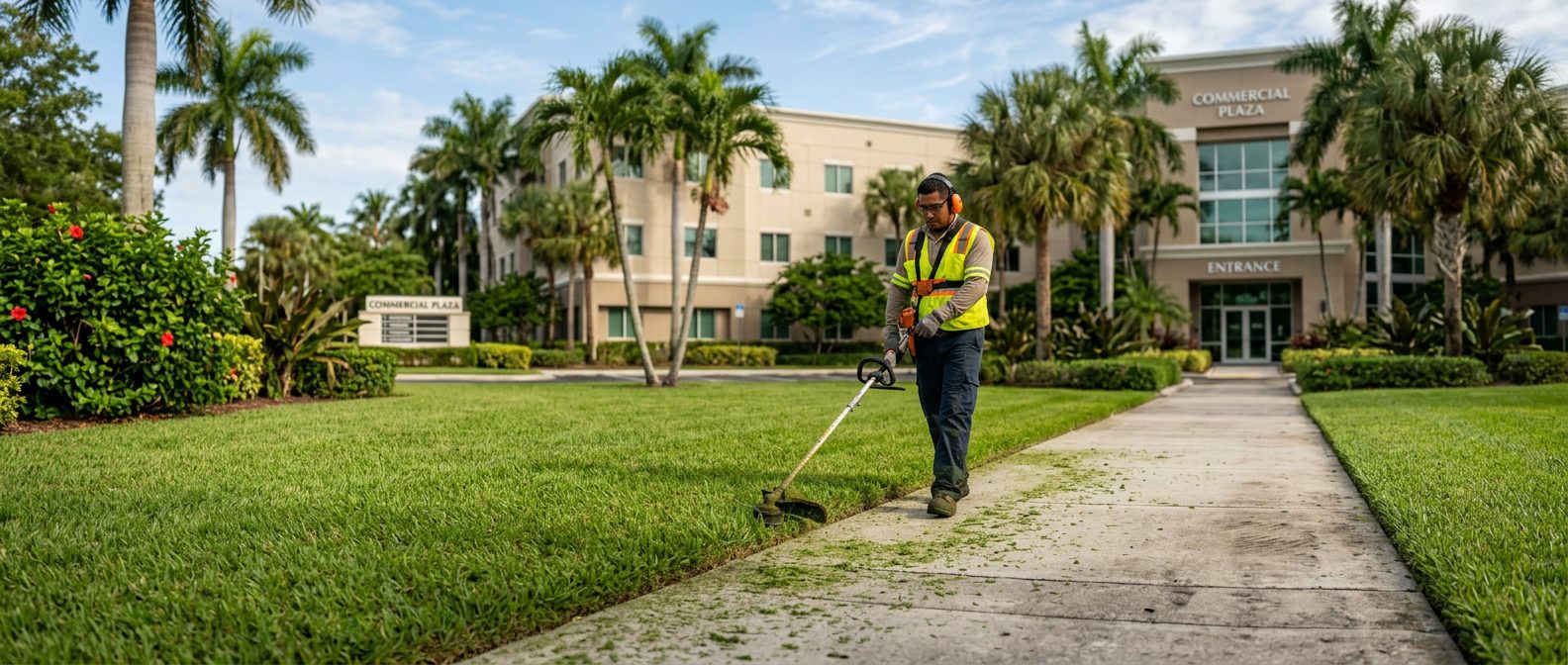
Landscape Services | South Florida
Keep Your Commercial Palms and Shrubs Looking Their Best
Trimming needs on busy properties depend on the plant, the site, and how people move through the grounds. Here is how to think about a schedule that fits your property.
By Ryan Jurney · Published November 24, 2026
Maybe you manage a condo association, an office park, or a retail center, and the palms and shrubs look like they’re due for work. You need a schedule you can explain to an owner or a board.
The short answer is that no single interval fits every commercial property. How often commercial palms and shrubs should be trimmed in South Florida depends on the plant type, the site, and the season. Palms are cut for dead or declining fronds. Shrubs are shaped for clearance and density.
Why Palms and Shrubs Follow Different Trimming Schedules
Palms and shrubs need different work because they grow in different ways. A palm grows from a single crown at the top of its trunk. It doesn’t branch out, and a cut trunk doesn’t grow back. Shrubs branch from many points, so they respond to cuts by putting out new shoots.
That difference changes the job. Palm trimming is mostly about removing dead, declining, or damaged fronds and fruiting parts. Shrub trimming is mostly about shape, clearance, and density. A palm crew asks what is dying or hanging low. A shrub crew asks where a plant is growing into a walkway, a door, or a sign.
Two properties with the same palms can still need very different visit timing. The schedule comes from the species, the site, and the season. If you inherited a contract or a landscape that looks overgrown, sort your plants into these two groups first. Then set a separate timing for each.
If you're building a trimming schedule for a property you didn't plan to manage, we can help you work through it. Contact Gator Protection to request a free quote for a site review. Talk it through with our team — the first consultation is free, confidential, and carries no obligation.
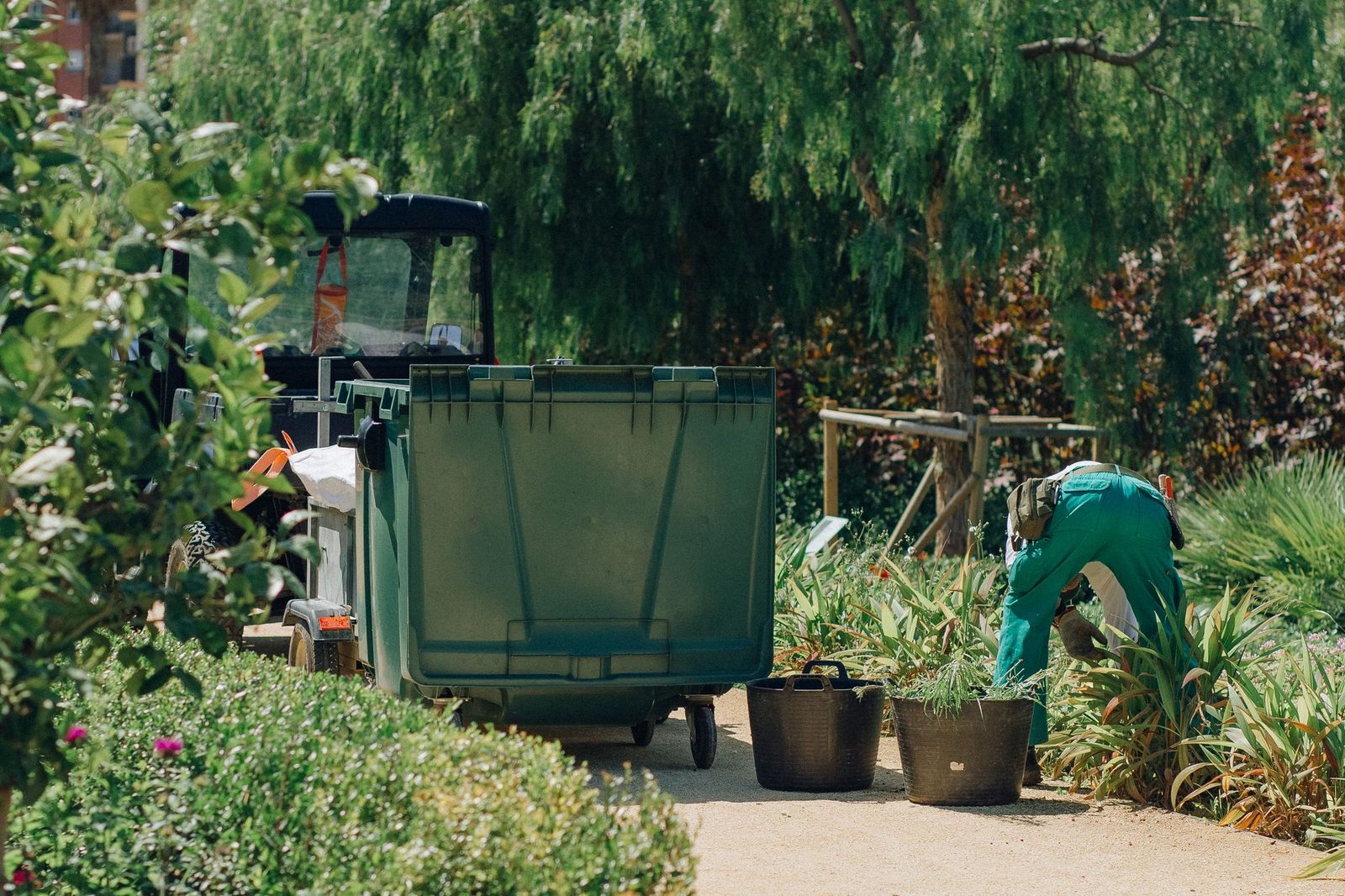
How Often Palms Should Be Trimmed on a Commercial Property
Palm fronds come off when they are dead, declining, or broken. The timing depends on how quickly each species drops and renews its fronds. A palm that sheds old fronds fast may need visits more often than one that holds them.
Green fronds should stay. Healthy leaves feed the palm, and cutting too many weakens it. Over-cutting is a common mistake because it looks tidy, but it stresses the tree.
Clearance changes the schedule on busy sites. Fronds and dropping fruit or seed heads over walkways, parking areas, pool decks, and building entries can call for more frequent visits. A palm that drops debris on a main entry is a different problem from one in a quiet back corner.
During each visit, the crew checks the crown for dead or yellowing fronds and any signs of stress. They should record what was removed and what they noticed. Those notes help the next visit and help you explain the schedule to an owner or board.
How Often Shrubs and Hedges Should Be Trimmed
Shrubs and hedges are usually shaped more often than palms need structural work. They grow quickly during Florida’s warm months. Regular shaping keeps them off walkways and keeps sightlines open at driveways and entries.
Plantings can also crowd building signage and lighting. When a hedge grows onto a sidewalk, it can make a site look neglected and create a hazard for people walking by.
Light shaping and renewal pruning are different jobs. Light shaping keeps a plant’s form. Renewal pruning opens up old, woody growth. Heavy cuts are usually spread over a longer period instead of done in one visit, because a plant that loses too much at once may struggle to recover.
Flowering shrubs need extra thought. Some bloom on old growth. Cutting them after they finish blooming keeps next season’s flowers. Ask your crew which shrubs on your site flower this way before scheduling any cut.
Factors That Change the Schedule on Your Property
The main drivers are plant species, sun and wind exposure, distance from the coast, foot traffic, and how close plantings sit to buildings. A hedge in a sheltered courtyard grows differently than one on a windy corner.
Water and fertilizer matter too. Plants that get more water and nutrients push more growth, so they need shaping sooner. Commercial landscape maintenance can involve applying products to turf and planting beds, and the right approach depends on each property. Check your county’s fertilizer rules before you plan fertilizer work alongside trimming.
Pests and disease can also change the timing. A crew should report those signs before routine work continues. The right interval depends on the facts of your site.
Timing Palm and Shrub Work Around Hurricane Season
A common approach is a clean-up and inspection before the Atlantic hurricane season starts. Keep that visit separate from routine shaping so each job gets proper attention.
Dead fronds can become loose debris in a storm. Removing them before the season reduces what can blow around near buildings, cars, and people. Shrubs near entries also deserve a check for weak or overgrown limbs.
Storm readiness and routine shaping usually work best as two visits. You can still plan both on one written schedule so nothing gets missed.
A pre-season check typically covers palms and shrubs near buildings, walkways, and parking. The crew looks for dead fronds, overhanging growth, and paths where debris could land. The check lowers the risk of loose material. It cannot control what a storm does.
Warning Signs That Your Current Schedule Is Not Working
Your schedule is failing when problems show up between visits. Watch for a growing number of dead fronds in the crown. Watch for hedges creeping onto walkways, debris piling up faster than it’s cleared, and shrubs that look thin or leggy from the inside.
Over-pruning is also a warning sign. Palms with few green fronds left, or shrubs cut hard in one visit, point to a schedule that asks too much at once.
Keep dated records of each visit. Note what was removed and any problems you spotted. Those notes matter most when a property changes management.
Bring these observations to a planning conversation. A schedule built from actual conditions beats one built from a guess.
Frequently Asked Questions
How often should palms be trimmed in South Florida?
There is no single fixed number. Timing depends on dead or declining fronds, the species, and how busy the site is.
When should shrubs be trimmed in Florida?
Shrubs are usually shaped during active growth. Flowering shrubs are often cut after they finish blooming.
Should palms be trimmed before hurricane season?
A pre-season check removes dead fronds that could become loose debris. Keep it separate from routine shaping.
Not sure what your next step is?
Talk it through with our team — the first consultation is free, confidential, and carries no obligation.
Talk Through Your Property’s Palm and Shrub Schedule With Gator Protection
If you’re responsible for a property you didn’t plan to take on, you’re probably gathering facts for a board, an owner, or your own team. You want a schedule you can explain and defend.
Gator Protection provides commercial landscape services across South Florida. We can walk the palms and shrubs on your property, look at the factors and warning signs covered here, and talk through a schedule that fits the site.
La consulta inicial es gratuita, confidencial y sin compromiso de continuar. (The first consultation is free, confidential, and carries no obligation to continue.)
To get started, contact Gator Protection or call the office to request a free quote for a site review.
What a Planned Trimming Schedule Helps With
Predictable Upkeep
A recurring plan keeps trimming on the calendar so grounds never fall behind between visits.
Safer Walkways
Removing dead or hanging fronds and overgrown branches helps keep entrances, parking areas, and walkways clear.
A Polished First Impression
Well-kept palms and shrubs support the image your customers, tenants, and visitors see first.
Tailored to Your Site
Schedules can account for plant species, foot traffic, and seasonal growth across South Florida properties.
Avoid Topping Palms
Cutting the crown of a palm or removing healthy green fronds stresses the plant and can leave it looking worse. Trimming should target dead or declining fronds and manage growth without removing the palm's main structure.
Signs a Palm or Shrub Needs Attention
Dead or Declining Fronds
Brown, broken, or drooping fronds are a common sign that a palm is due for cleanup.
Overgrowth at Eye Level
Branches or shrubs that block signs, windows, sidewalks, or sightlines usually need attention sooner.
Spent Flowers and Seed Heads
Flowering shrubs can be tidied once their blooms fade, keeping beds neat through the rest of the season.
Heavy Foot Traffic
Entrances, loading areas, and high-visibility spots often need more frequent trimming than quieter areas.
Planning a trimming schedule for your property? Our first consultation is free, confidential, and comes with no obligation to continue.
More of our services
- Landscape Services in South Florida
- What Commercial Edging Covers & How Often in South Florida?