
Landscape Services | South Florida
A Lawn Care Schedule That Follows the Seasons
Grass in South Florida rarely grows on the same timetable twice. Here is how one lawn's needs shift from one part of the year to the next.
By Ryan Jurney · Published November 23, 2026
If you manage a property or a lawn you don’t tend yourself, you need a calendar a crew can actually follow. South Florida lawns run on two seasons. The rainy season, generally June through October, is when grass grows fastest and needs the most mowing. The dry season, generally November through May, is when growth slows and watering matters most.
Why South Florida Lawns Follow a Wet and Dry Calendar
Most timing decisions come from the split between the rainy and dry seasons. Warm-season turf, the grass most common in the region, grows fastest in warm, wet weather. It slows when days turn cooler and drier, so the calendar has to bend with the weather.
A schedule is a planning frame, not a fixed rule. Grass type, sun exposure, drainage, and foot traffic all shift the timing. A shady strip beside a building may need less mowing than an open lawn in full sun. Two properties on the same street can need different calendars.
The most common mistake is running one calendar all year. A routine set in July keeps watering and feeding in January, when the grass has slowed and the extra water just sits in the soil. Plan the year in stages. Adjust at each season change, not only when something looks wrong.
If you're planning turf care for a property you don't manage day to day, we can review your grass, layout, and irrigation setup with you. Talk it through with our team — the first consultation is free, confidential, and carries no obligation.
The Dry Season Schedule (November to May)
In the dry season, mow less often, water deliberately, and inspect the turf for stress.
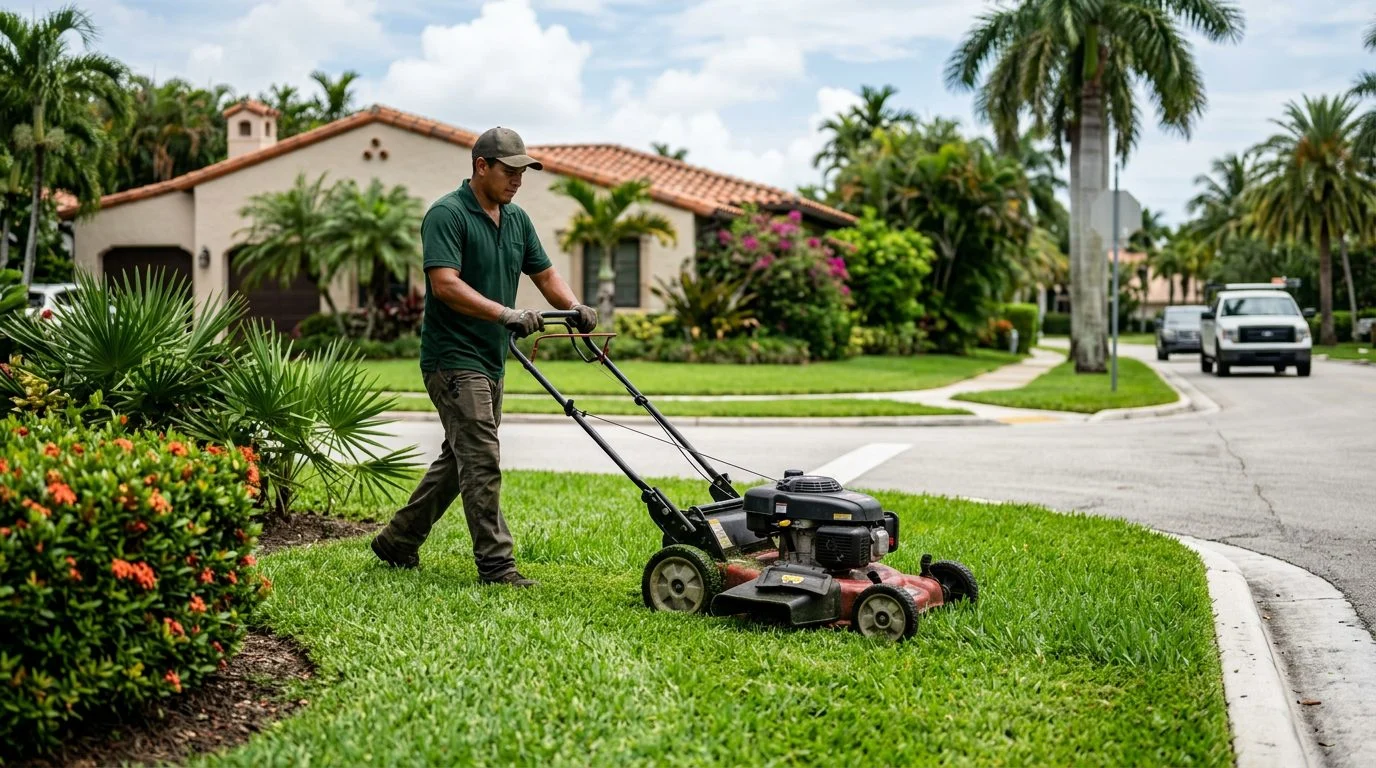
Mowing slows as growth slows. Keep cutting on a steady rhythm so the lawn never grows long enough to need a heavy cut. Heavy cuts stress grass that is already slowed down.
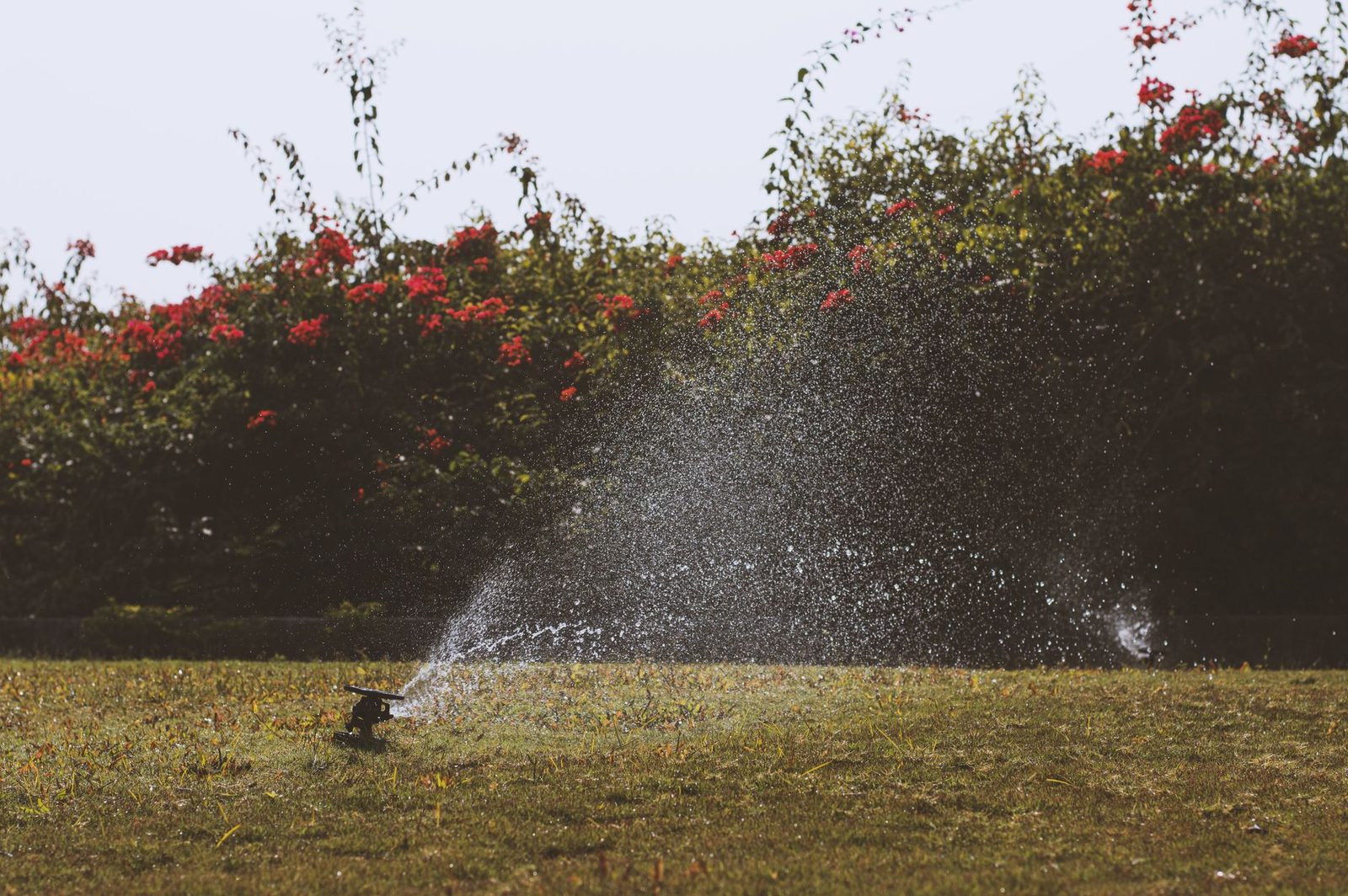
Irrigation carries more weight now. Rain comes less often, so dry stretches run longer between storms. A gap of several dry days can thin turf you would never notice in July. Water to replace what rain has not supplied. If footprints stay visible on the grass, it’s usually a sign the lawn is thirsty.
Routine checks matter most in this season. Walk the lawn every few weeks and look for thinning, new weeds, and stress near pavement, under trees, and along slopes. Problems caught now are easier to fix before the rainy season pushes growth. Dry-season trouble often starts quietly, with a thin patch that looks like shade.
The Rainy Season Schedule (June to October) and Fertilizer Rules
In the rainy season, mowing, edging, and drainage checks need more attention, and fertilizer timing has to follow local rules.
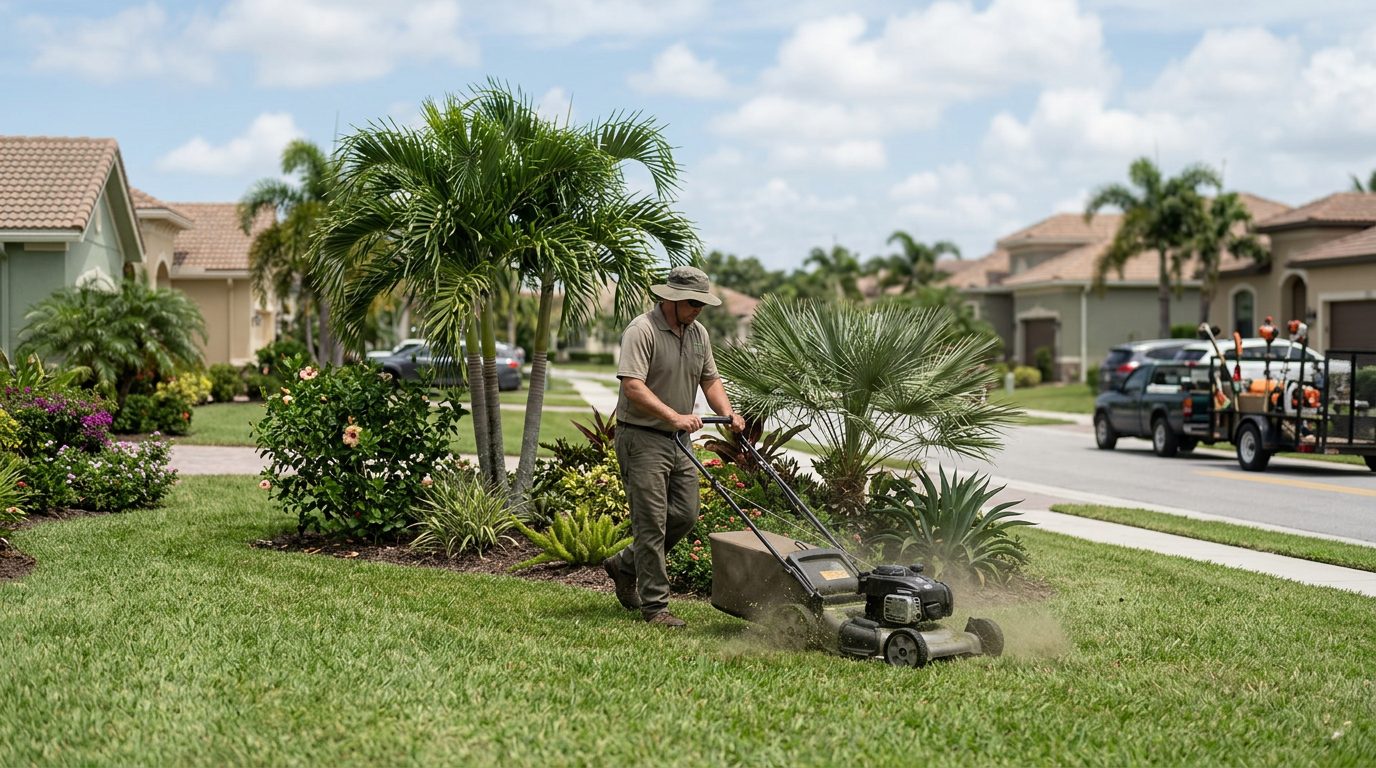
Growth speeds up. Grass that needed a cut every couple of weeks in January may need one every week in July. Edging keeps turf from creeping into beds and walkways. Clipping pickup keeps debris from smothering the grass. Check drains, low spots, and downspout outlets after storms, because standing water stresses roots.
Fertilizer needs a careful plan.
Plan feeding around the restricted window and the start of the next growing period. For practices covering fertilizing, irrigation, and water quality, the UF IFAS GI-BMP program is a state-recognized training and practices program for landscape professionals.
How Often Should You Mow in Florida?
Mow as often as growth requires, which means more in the rainy season and less in the dry season.
Growth rate sets the schedule, not the date on the calendar. In peak months, a lawn can need weekly cuts. In cooler months, growth slows and the lawn needs fewer cuts.
Set the mower height for your grass type and hold it steady. Remove only a portion of the blade in a single cut. Taking too much off at once stresses the turf and can leave brown tips. Frequent light cuts keep a lawn stronger than occasional heavy ones.
Irregular mowing causes visible trouble. Skipped weeks let grass grow tall, and then a heavy cut scalps the high spots. Thick clipping piles smother the grass underneath. These problems are much harder to fix later than they are to prevent.
Is 30 Minutes of Watering Enough?
Not on its own. The right amount depends on rain, soil, heat, and grass type.
A fixed duration ignores what the sky already supplied. After a heavy storm, a lawn may need no irrigation at all. In a dry week, the same timer may fall short. Sandy soil drains fast and needs water more often. Heavier soil holds moisture longer.
Short daily sprinkles can train roots to stay near the surface. That leaves turf exposed when a dry spell hits. Less frequent, deeper watering pushes roots down and helps the lawn handle dry stretches. Water early in the morning so blades can dry during the day.
Rain sensors and simple soil checks help you adjust the timer. Push a screwdriver into the soil after watering. If it slides in easily, water likely reached the root zone. Scale the plan to the property, not the clock.
When to Plant or Re-Sod Grass in South Florida
Plant or re-sod warm-season grass in the warmer months, when temperatures and growth support rooting.
Warm-season grass establishes when soil and air are warm. Planting timing should follow the growing season, not the calendar alone.
Three methods differ. Seed takes longer to cover and needs steady moisture at the surface. Plugs are small sections of grass set into the ground and spread over time. Sod arrives as an established mat that covers quickly but needs careful watering to root into the soil below. Each method calls for its own watering rhythm and early care.
New turf needs consistent moisture while roots form. A dry spell in the first weeks can thin or kill new sections. Set planting and irrigation together, so the water schedule is ready the day the grass goes in.
Not sure what your next step is?
Talk it through with our team — the first consultation is free, confidential, and carries no obligation.
Adjusting the Schedule for Commercial and Multi-Unit Properties
A commercial property usually needs zone-level adjustments, because sun, drainage, and foot traffic differ across the site.
Condos, office campuses, and multi-unit properties often have several turf zones. A shaded entrance, a sloped berm, and a busy walkway each need different mowing, irrigation, and feeding timing. One calendar for the whole site can miss at least one zone.
A written scope of work keeps everyone on the same plan. It can define mowing frequency, fertilizing windows, who handles irrigation, and when the schedule gets reviewed each season. Boards and property managers can then check work against the plan. A landscaping scope of work guide walks through that document.
The same seasonal logic applies across South Florida. Commercial grounds in Broward and Palm Beach counties follow the same wet and dry calendar, tailored to each property type. Our service pages for commercial landscape maintenance in Fort Lauderdale and Palm Beach County areas describe the work we do in those communities. Our team also handles pressure washing, floor care, and day porter service for the same sites.
Talk Through Your Property’s Lawn Schedule With Our Team
If you’re building a seasonal plan for a property, our team can review your grass, layout, and irrigation setup with you.
When should you fertilize a lawn in South Florida?
Local rules set the window, so fertilizer timing follows those rules and the grass’s growth.
How often should you mow in Florida?
Follow growth: mow more in the rainy season and less in the dry season.
When is the right time to plant grass in South Florida?
Plant warm-season grass in the warmer months, when soil and air are warm enough for roots to form.
How can our team help with your property’s landscape services?
If this plan landed on your desk, whether you sit on a board, manage a site, or are sorting out a family lawn that’s thinning or overgrown, you don’t have to map the year alone. Reach out through the contact form, call the office, or request a quote there, and we’ll talk through your situation. La consulta inicial es gratuita, confidencial y sin compromiso de continuar.
How the Schedule Shifts Through the Year
Rainy Season Care
Growth picks up quickly, so mowing frequency, edging, and weed control usually need closer attention while moisture is high.
Dry Season Care
Slower growth and heat stress call for a lighter touch, with more focus on watering practices and keeping the blade height steady.
Transition Periods
The shift between wet and dry conditions is when we typically reassess fertilization, soil condition, and pest pressure.
Ongoing Maintenance
Regular visits keep edges, beds, and turf consistent so small issues do not become larger ones.
What Our Team Brings to Your Lawn
A Schedule Built Around Your Property
Visit frequency and service tasks are matched to the turf, the layout, and the conditions on your site.
Open Communication
We let you know what we are seeing and what we recommend before changing the plan.
Team-Based Service
Our team coordinates landscape work with the rest of your property maintenance needs.
Adjust to the Grass, Not Just the Calendar
A calendar is a useful starting point, but turf condition, rainfall, and recent weather should guide every change to your lawn schedule.