
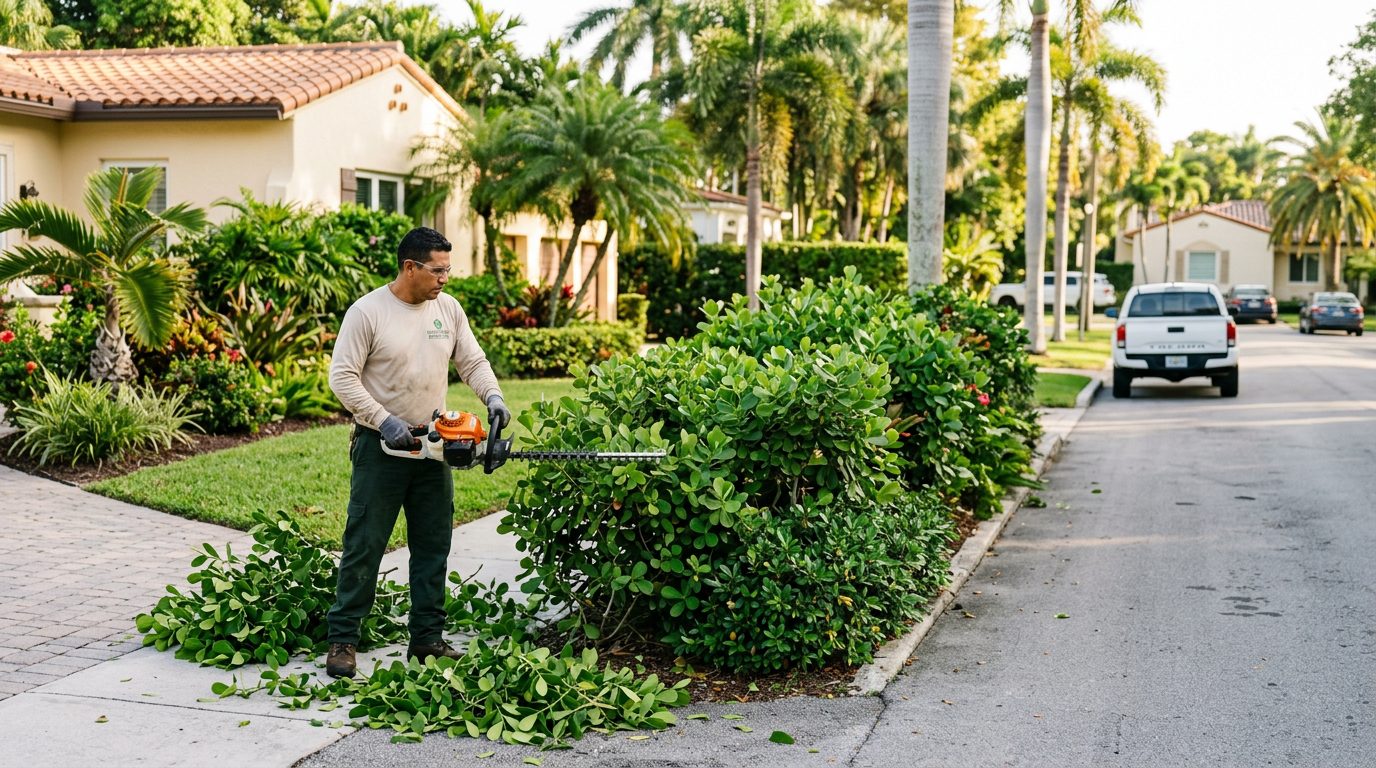
Landscape Services | South Florida
When Should You Trim Bushes in South Florida?
Florida's warm, wet climate means shrubs rarely stop growing, so knowing when to cut and when to hold back protects plant health and keeps your property looking sharp.
By Ryan Jurney · Published November 24, 2026
Your hedge has grown over the walkway, or a storm left broken limbs, and now you need to know when to cut. In most of South Florida, the main shaping cut goes in late winter or early spring, and light cleanup can happen through the warm months. The right timing still depends on the plant, the season, and whether the job is cosmetic or a safety fix.
South Florida’s warm, humid climate keeps most shrubs growing for much of the year. One fixed date does not work across Miami-Dade, Broward, and Palm Beach counties. This guide covers timing by season and plant type, with official guidance where it exists.
Why Timing Matters for Florida Bushes
Timing matters because a cut at the wrong point can cost you blooms or leave the plant stressed. Shrubs in Florida rarely stop growing, so the calendar alone doesn’t tell the whole story.
Pruning a flowering shrub just before it blooms removes the buds that would have opened. A heavy cut during an active growth flush pushes tender new shoots. A sudden cool spell can damage those shoots.
Frost is rare in Miami-Dade, Broward, and Palm Beach counties. Cold snaps still happen in some years. A shrub cut recently can take longer to recover when one arrives.
Good timing also keeps the work simpler. A plant cut at the right point usually needs less correction later. Plan around the plant’s own growth cycle, not a single date on the calendar.
If you manage a property with overgrown hedges or storm-damaged shrubs, our team can look at your plants and help you plan the timing. Talk it through with our team — the first consultation is free, confidential, and carries no obligation.
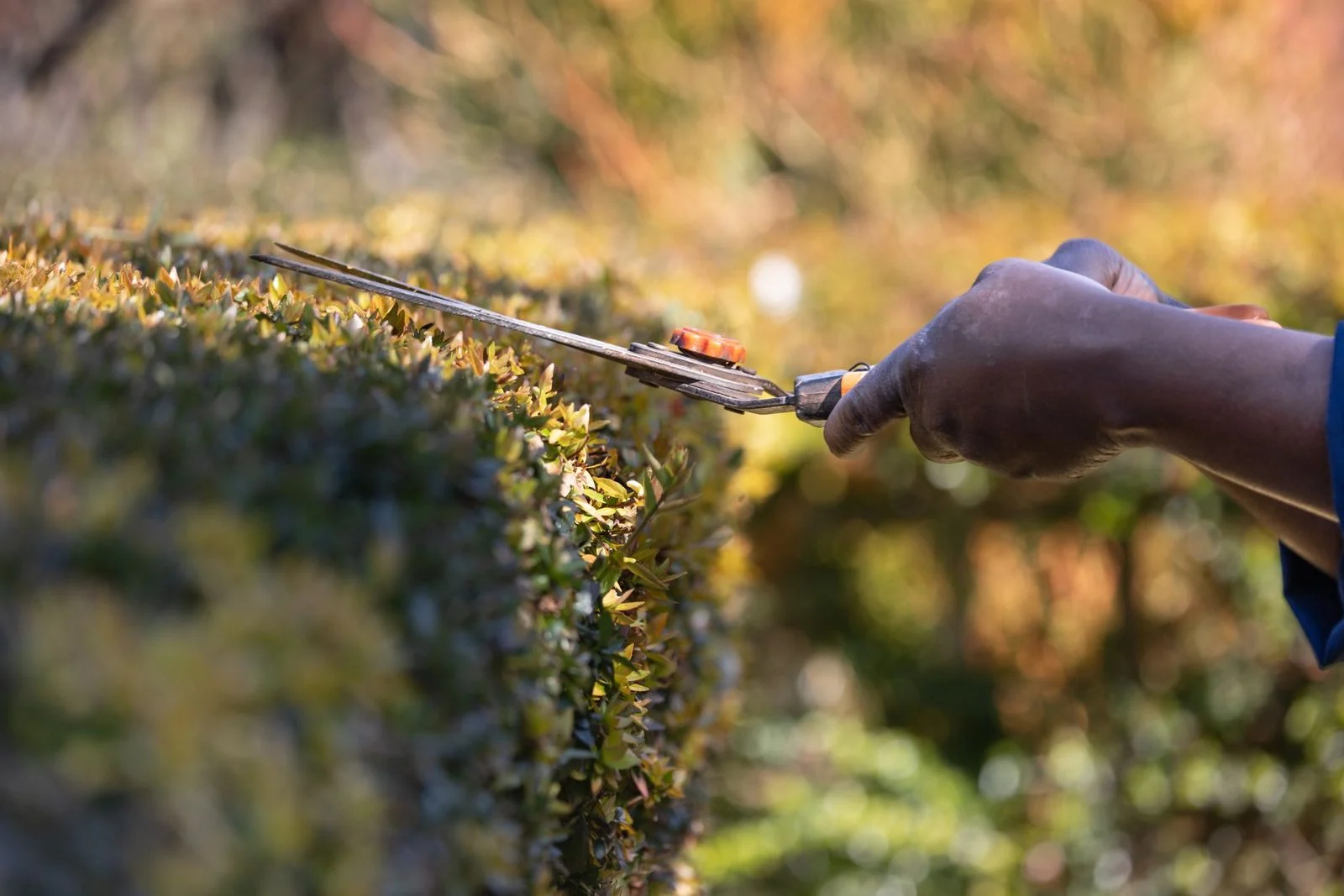
The Best Seasons to Trim Bushes in South Florida
Late winter into early spring is the usual window for a major shaping cut. The plant is coming out of its slower season and is ready to push new growth.
Light maintenance can happen through the growing season. Removing dead, damaged, or crossing branches and keeping edges neat are good jobs for warm months. Keep these trims small so the plant is not stripped during its busiest growth.
Flowering shrubs need a different plan. Prune them soon after they finish blooming, so the next season’s flowers are not removed. Check which blooms form on old wood and which form on new wood before you cut, because the answer changes the timing.
Before hurricane season, the South Florida Water Management District’s Stormwise Landscapes guidance includes trimming shrubs and removing dead or hazardous limbs. Early-season cleanup is a practical first step for many properties.
Can I Cut Back My Hibiscus Now in Florida?
Hibiscus can take a shaping cut, and the season matters as much as the plant. Many landscapers shape hibiscus in late winter or early spring, before the main growth push.
Light deadheading of spent blooms and removing leggy stems can happen during the warm months. Those small cuts keep the plant tidy without asking it to rebuild a lot of growth at once.
Avoid removing large portions late in summer or fall. New growth that forms then may not have time to toughen before cooler, drier weather arrives. Tender shoots are more likely to take cold damage, so keep heavy cuts for the right window.
A badly overgrown hibiscus often needs a phased plan rather than one hard cut. Map the work over more than one visit. If a cold snap has hit the plant, follow the frost guidance below before you decide how much to remove.
When Should You Stop Trimming Bushes?
Stop heavy cutting as the growing season winds down, so plants can settle before cooler weather. Late summer and early fall are generally the time to taper off large cuts.
Hurricane season changes the priority. Removing broken or hanging branches for safety comes first. Large structural cuts usually wait for calmer months, because a fresh wound on a stressed plant has less time to close before the next storm.
Palms follow their own rules. Monroe County’s Prune with Purpose guidance sets recommended standards for palm pruning, including limits on removing healthy palm fronds. Sumter County’s trimming guidance states that hurricane pruning of palms is unnecessary and detrimental. The ANSI A300 tree-care standards also include specific guidance on palm pruning and frond removal. Keep palm work on its own schedule, separate from shrub work.
Frost Damage: When to Trim, Wait, or Replace
After a cold snap, wait for new growth before deciding how much to remove. Browned or limp leaves do not always mean the whole plant is dead.
Look for living tissue first. Scratch a stem lightly. Green or moist tissue underneath means the wood may still be alive. Cut back clearly dead wood to healthy growth, and leave the rest until you can see what comes back.
Do not rush a hard cut right after a freeze. Pruning too soon can remove growth that would have recovered. Fresh wounds can also be exposed to more cold. Give the plant a few weeks, then review it again.
A plant with no new growth after that time may need a replacement decision rather than more cutting. Make that call with the whole plant in view, not from one bad week.
How Much to Remove in One Session
Remove a moderate share of a shrub in one session, and finish larger corrections over later visits. Spreading the work lets the plant recover between cuts and keeps its shape more natural.
Light trims can take off dead and crossing branches in one pass. Heavier corrections need more thought. Cutting too much at once can leave bare interior wood and push weak growth at the outside.
Severely overgrown plants often need a phased plan. Decide what to cut now, what to cut next season, and what can wait until the plant has recovered from frost or storm stress. A written plan keeps the work consistent from visit to visit.
Check the shape after each pass, not only at the end of the job. Phased work also shows problems that old growth was hiding, such as a limb that now needs removal.
Not sure what your next step is?
Talk it through with our team — the first consultation is free, confidential, and carries no obligation.
Common Pruning Mistakes to Avoid
The biggest mistakes are shearing, topping, cutting flowering shrubs at the wrong time, and waiting too long between trims. Each one turns a simple maintenance job into a harder fix.
Shearing every hedge into a flat box with hedge trimmers thickens the outer growth and leaves the inside bare. Selective thinning keeps light reaching the interior.
Topping, which cuts all main branches back to one height, invites weak regrowth. The plant responds with a crowd of thin shoots that break easily in wind.
Timing errors are common too. Cutting a flowering shrub just before it blooms removes the flowers. Waiting too long between trims lets a light maintenance cut become a heavy correction.
Each of these mistakes is easier to avoid when the schedule is set before the work starts.
Planning Trims for a Property You Manage
A property manager or board can plan shrub trimming by sorting plants into light maintenance, phased correction, and wait groups. That sorting makes the schedule and the scope of work much clearer.
The Community Associations Institute maintenance best practices report supports organized maintenance programs and checklists when developing vendor scopes of work for condo associations. A written plan that lists each plant group, its timing, and its condition helps everyone agree on what happens and when.
The association’s rules matter as much as the plant’s needs. For the full service scope, see landscape services.
Quick Answers
When should you trim bushes in Florida?
Most shrubs get their main shaping cut in late winter or early spring, with light cleanup through the warm months.
When should you stop trimming bushes?
Stop heavy cutting as the growing season winds down, and keep only safety cuts during storm season.
Should palms be trimmed before a hurricane?
Sumter County’s guidance says hurricane pruning of palms is unnecessary and detrimental, so keep palm work on its own schedule.
If you’re weighing this for a property you oversee, our team provides landscape services across South Florida, including shrub and hedge maintenance. Reach out through our contact page and we’ll talk through your plants and the right schedule. La consulta inicial es gratuita, confidencial y sin compromiso de continuar.
Signs Your Shrubs Need Trimming
Growth Blocking Walkways
Branches that reach into paths, driveways, or entrances create trip hazards and make a property harder to use.
Shrubs Crowding Windows
Foliage pressed against windows, doors, or light fixtures can trap moisture and invite pests.
Dead or Damaged Branches
Broken, diseased, or dead limbs should be removed promptly to keep the rest of the plant healthy.
Uneven or Overgrown Shape
Lopsided growth and leggy stems often signal that a shrub is due for shaping.
Tip: Ease Up Before Storm Season
Heavy pruning right before the rainy, storm-prone months can leave shrubs stressed and more exposed. Plan major cuts for calmer periods and limit work to light cleanup as the season approaches.
Landscape Maintenance That Fits Your Property
Tailored Trimming Plans
We look at each shrub, hedge, and planting bed to set a schedule that suits the plant and the site.
Consistent Upkeep
Regular visits keep growth under control so small cleanups replace large, stressful cuts.
A Team That Works With You
Our team coordinates with property managers and owners to keep landscaping on track alongside our other services.