
Pressure Washing · South Florida & Atlanta
Schedule Pressure Washing Without Disrupting Residents
Plan zones, quiet work windows, and clear notice so your property stays clean while people keep living there.
By Ryan Jurney · Published November 4, 2026
To schedule pressure washing without disrupting residents, plan the work around their daily routines, give written notice, and arrange gate access before the first day. Clean one zone at a time so walkways and entries stay open. This guide is for property managers and board members in gated communities and condos across Miami-Dade, Broward, and Palm Beach counties. It explains each step, from scope to frequency.
Why Scheduling Matters More in a Gated Community
Scheduling matters most in a gated community because residents keep living in their homes during the work. They still walk the shared walkways, use the pool deck, and park near the building. Timing and routing decide how much they notice.
Gated access adds a second layer. Crews, vehicles, and equipment must enter and leave without leaving the gate open longer than needed. They also can’t block resident cars in tight parking lots.
A written schedule protects resident routines. It also gives the manager a clear record of what was cleaned and when. That record helps when a resident asks what happened on a given day.

If you're planning a wash around residents, reach out through our contact form or call our office to set up your consultation. Talk it through with our team — the first consultation is free, confidential, and carries no obligation.
Define the Scope and Break the Property Into Zones
Start by listing every surface to be cleaned, then divide the property into zones. A crew can finish one zone at a time and move on without doubling back. Typical surfaces include walkways, stairwells, garage entries, pool decks, dumpster pads, and building façades.
Zones also protect busy corridors. A crew that works from one end of a building to the other, then returns the same way, crosses the same traffic twice. Plan a single loop instead.
Mark the highest-traffic zones on the plan. Schedule them for the quietest hours, or sequence them last so walkways stay open for most of the day. A common mistake is scoping by surface alone. That approach sends the crew through the lobby again and again.
Choose Work Windows That Fit Resident Routines
Choose work windows that avoid the hours when residents leave for work, come home, walk pets, or use the pool. Place the loudest equipment outside those peaks. Ask the board or manager which hours the community’s rules allow for exterior work. Confirm any approval before you set dates.
Weather will change the plan. Rain can push a wash back a day or more. Build buffer days into the calendar so a rescheduled wash doesn’t land on another community event.
Avoid locking in one fixed date with no fallback. Keep the planned hours short and consistent, so residents learn the pattern and know when to expect the crew.
Give Notice and Coordinate Gate Access in Advance
Send a written notice before any work starts. It should list the dates, the zones affected, the expected hours, and a contact person for questions. Send it to every resident in the affected zones, and post a copy at the entries.
Post signs at affected walkways a day or two ahead. Add a short reminder on the morning of the work. Repeated notice helps residents plan around the crew instead of being surprised by it.
Arrange gate access for the crew and any vehicles in advance. Confirm the entry plan with security or the front desk, so the gate is never held open longer than needed. Give the crew a named contact for gate issues.
Control Noise, Water, and Walkway Access During the Work
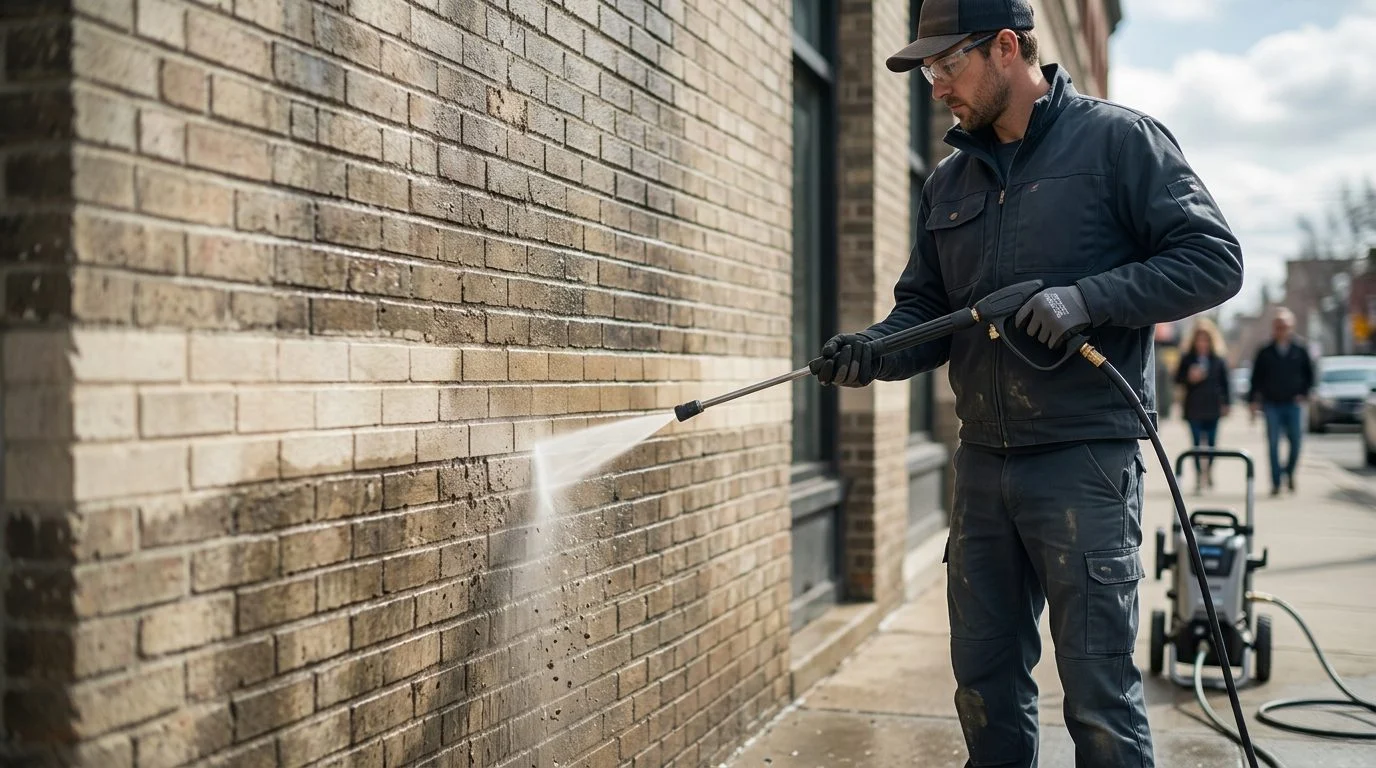
Keep the work area simple. Stage equipment away from unit windows and entries, and use one access route so residents know where to walk. Keep a supervisor on site to answer questions and to change the route when an area takes longer than planned.
Use cones or temporary barriers to block only the section being cleaned. Reopen that section as soon as it is dry enough to walk on safely. Keep wet areas marked until they are safe to cross.
Water control matters too. Direct runoff away from walkways, entries, and parked cars. The UF IFAS GI-BMP program describes practices for landscape professionals that protect water quality.
Not sure what your next step is?
Talk it through with our team — the first consultation is free, confidential, and carries no obligation.
Protect Plants, Vehicles, and Surfaces Near the Work
Protect plants, vehicles, and building surfaces by planning them before the crew arrives. Ask residents to move cars out of marked zones ahead of time. Place a notice on windshields or doors where parking is affected, so the message is clear.
Shield landscaping, light fixtures, and door seals from high-pressure spray. Match nozzle distance and pressure to each surface, since one setting rarely fits every material.
Landscape irrigation is one part of routine landscape maintenance. Note any sprinkler changes in the work log, and check South Florida landscape irrigation rules before adjusting timers around the work.
Walk the property before and after the work. Note any existing cracks or loose tiles, so any change can be documented accurately.
How Often Gated Communities Typically Schedule Walkway Washing
Walkway frequency depends mainly on foot traffic, shade and moisture, and surface type. High-use walkways and entries generally need more attention than quiet paths. Shaded and north-facing walkways can develop organic growth faster, which can push the schedule toward more frequent cleaning.
Surface material matters too. Concrete, pavers, brick, and stone can show staining and growth differently. Each may need its own pressure setting, so the schedule should reflect the surface, not just the calendar.
The right interval depends on the facts of each property, including traffic, exposure, and surface type. A site walk is the most reliable way to set it. Walk the property with the manager, mark the high-use paths, and note which sides stay shaded.
Safety Steps for Shared Walkways During Pressure Washing
Keep a clear, dry path open for residents at all times, including those using mobility aids or strollers. Post slippery-surface signs at each wet section. Floor care maintenance focuses on keeping floors clean and in good condition.
Keep hoses and power cords off walking routes. Secure them so they don’t become trip hazards. Limit access to equipment areas, and keep children and pets away from the spray zone while the work is active.
Cleaning chemicals bring their own rules. Ask the crew to show the Safety Data Sheet for each product used near residents.

Plan a Quiet Pressure Washing Schedule for Your Community
A quiet wash starts with a walk-through of your zones, gates, and peak traffic times. Use that walk to build the zone plan, the work windows, and the resident notice before any crew arrives.
Our first consultation is free, confidential, and carries no obligation to continue, so you can review your schedule options before you commit.
Can pressure washing happen while residents still live on site?
Yes. Zoning the property, choosing quiet work windows, and giving written notice let crews work while residents keep living there.
Who should receive the notice?
Send it to every resident in the affected zones, and post a copy at the entries. Include the dates, the hours, and a contact name.
If you’re planning a wash around residents, reach out through our contact form or call our office to set up your consultation.
Have questions about what happened?
Ask our team directly. The first conversation is free, confidential, and there is no obligation to continue.
How We Plan Around Your Residents
Zoned Work Areas
We divide the property into zones so washing moves through one area at a time, keeping walkways, entries, and parking usable.
Quiet Work Windows
We schedule noisy equipment around the hours that suit your community, so residents can rest, work, and come and go with less interruption.
Written Notice
We help you prepare clear notices with dates, hours, and a contact name, so every resident knows what to expect before crews arrive.
Ongoing Coordination
Our team stays in touch with your property manager before, during, and after the job to adjust timing if needed.
Post Notice Before Crews Arrive
Send notice to every resident in the affected zones and post a copy at the building entries. Include the dates, the hours, and a contact name so residents know who to ask questions.
Four Steps to a Smooth Schedule
1. Walk the Property
We review the surfaces, access points, and areas where residents gather or park to plan the work.
2. Set the Zones and Hours
We map the washing sequence and choose work windows that minimize noise and blocked paths.
3. Share the Plan
We provide notice details, a timeline, and a contact name for residents and on-site staff.
4. Confirm and Adjust
We confirm the day before and stay flexible if residents' needs change during the project.